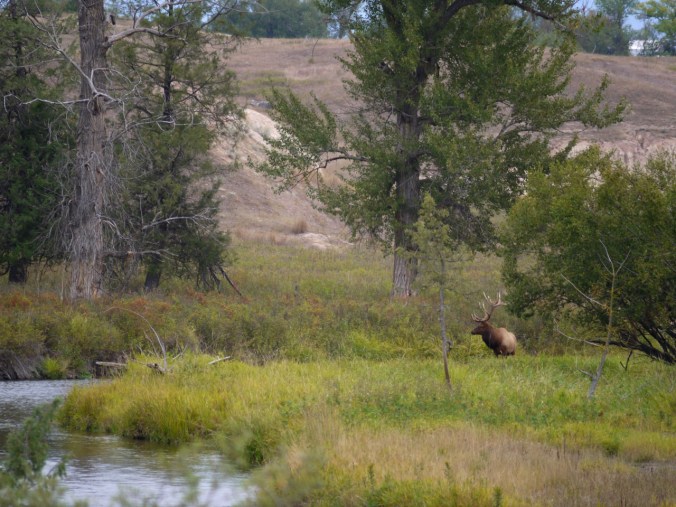
Cervus elaphus “Wapiti” Cervidae, male

National Bison Range, MT
September 21, 2013
Robert Niese

The name “wapiti” comes from the Shawnee and it means “light-colored rump.” Elk found here in the PNW are arguably the same species as “red deer” found in Europe. They have been split and regrouped countless times by taxonomists.
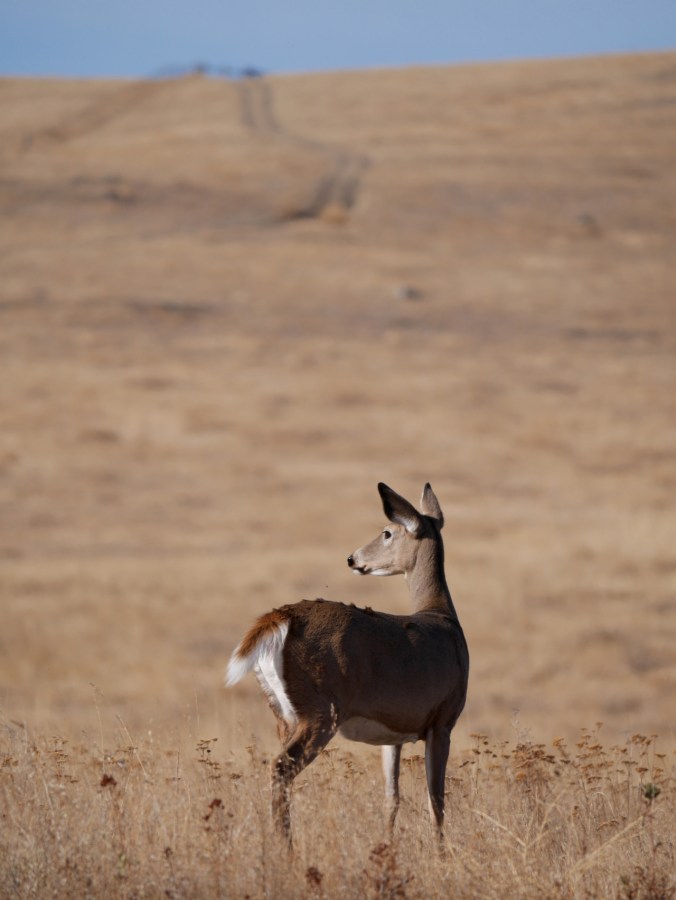
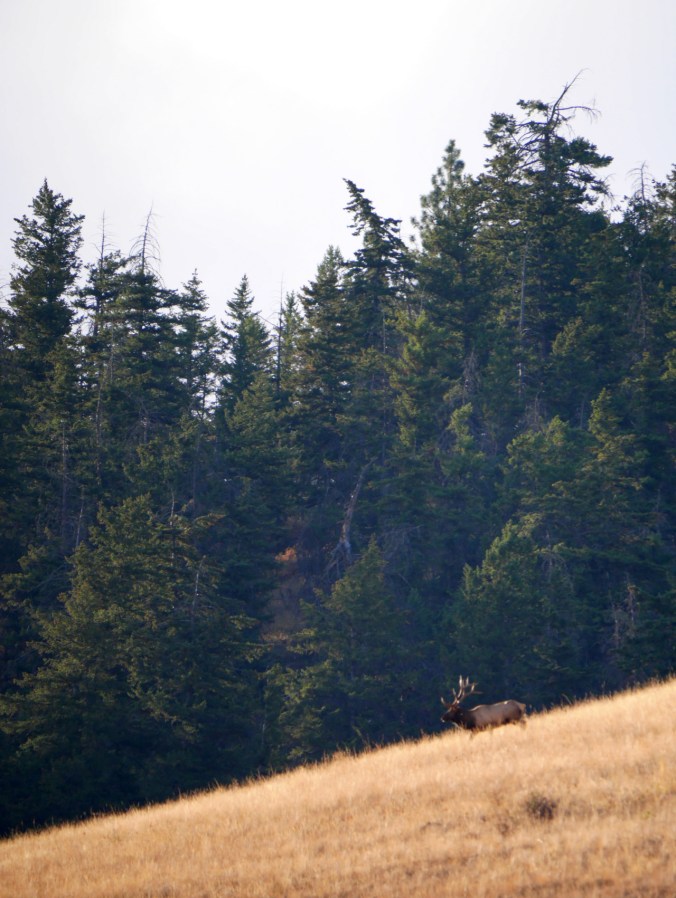
Cervus elaphus “Wapiti” Cervidae, male

National Bison Range, MT
October 5, 2014
Robert Niese

Fall is the best time of year to see active male elk at the National Bison Range. We followed this big guy around for over an hour, watching him bugle all the while. 

Anna’s Hummingbird (Calypte anna) Trochilidae

University of Washington, Seattle, WA
January 13, 2013
Robert Niese

This is the only species of hummingbird to overwinter here in the Pacific Northwest — and they’ve only been doing it for a few decades. Scientists believe that human-provided winter nourishment (i.e. hummingbird feeders) are the primary food source for these non-migrating individuals during the winter months.

As such, researchers at the University of Puget Sound are studying these two distinct populations of birds to determine if they might be diverging — genetically and morphologically. With the help of museum specimens dating back to the early 20th century, we are finding that resident populations of hummers here in the PNW are slightly different than their migratory counterparts.

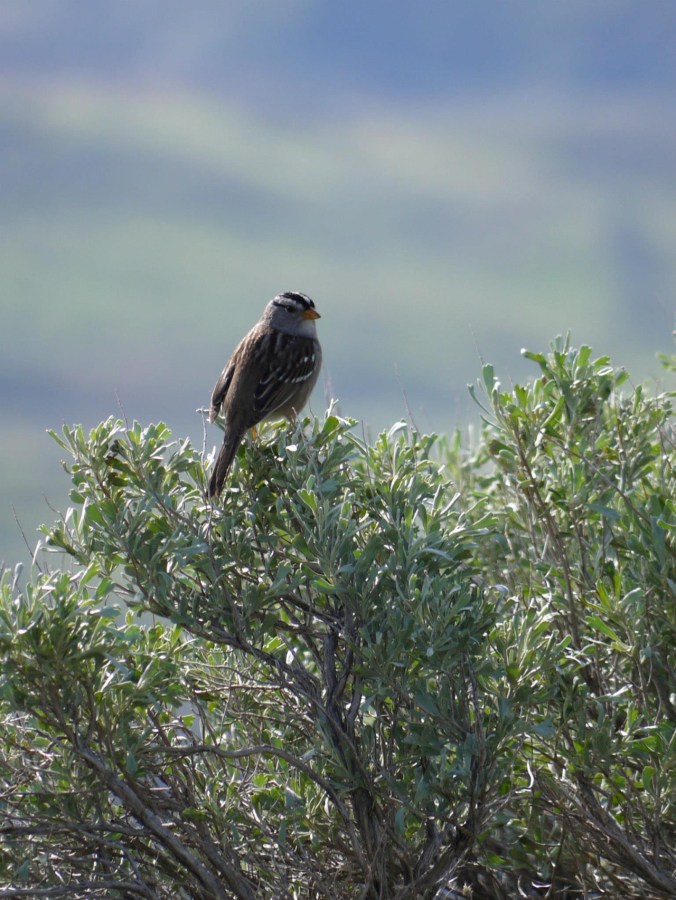
White-crowned Sparrow (Zonotrichia leucophrys) Emberizidae

Burch Mountain, Wenatchee National Forest, WA
April 27, 2013
Robert Niese

White-crowned Sparrows are an abundant migrant (sometimes resident) of the PNW with a very easy-to-identify song. If you’re just starting out learning to identify bird song, try your luck with the local sparrows first.

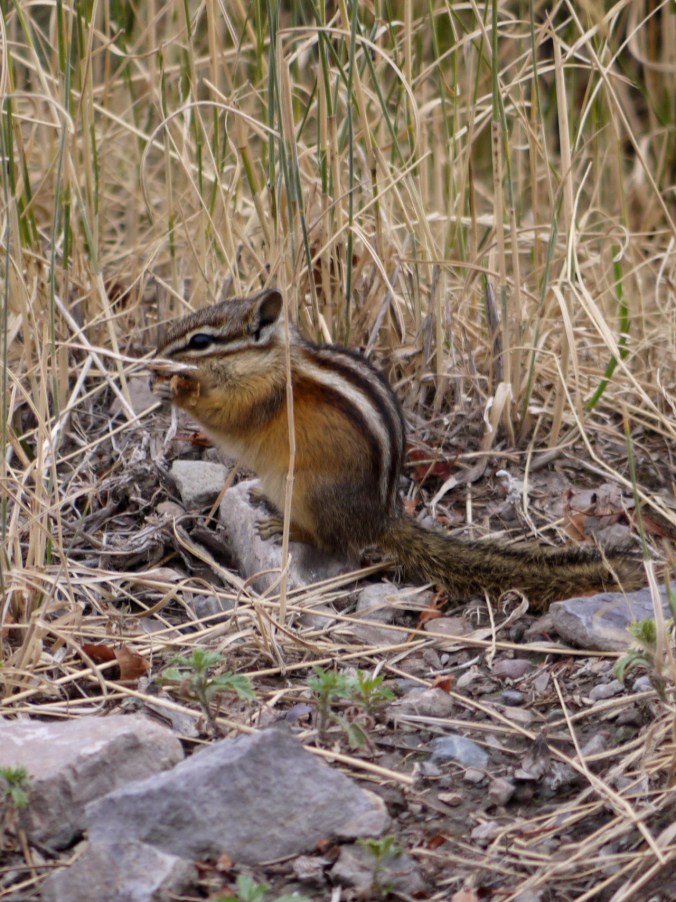
Tamias amoenus “Yellow-pine Chipmunk” Rodentia

National Bison Range, MT
September 21, 2013
Robert Niese

Chipmunks can be hard to identify from afar, so knowing what habitat types certain species prefer can really narrow-down your options. Here in western Montana, three species regularly co-occur (Red-tailed, Yellow-pine, and Least). Red-tailed Chipmunks tend to prefer moist coniferous forests like those in Glacier National Park, while Yellow-pine Chipmunks tend to prefer drier, Ponderosa/Doug-Fir forest edges. Least Chipmunks are found everywhere in between including alpine, sagebrush, coniferous forests, and meadows.

American Bittern (Botaurus lentiginosus) Ardeidae

Nisqually National Wildlife Refuge, WA
October 27, 2012
Robert Niese

The American Bittern is famous for its unbelievable camouflage skills, but is slightly less well-known for its equally astounding vocal abilities. If you’ve never heard a Bittern singing, you should check it out here. It’s absolutely nothing like anything that you’ve ever heard before, I guarantee it. 

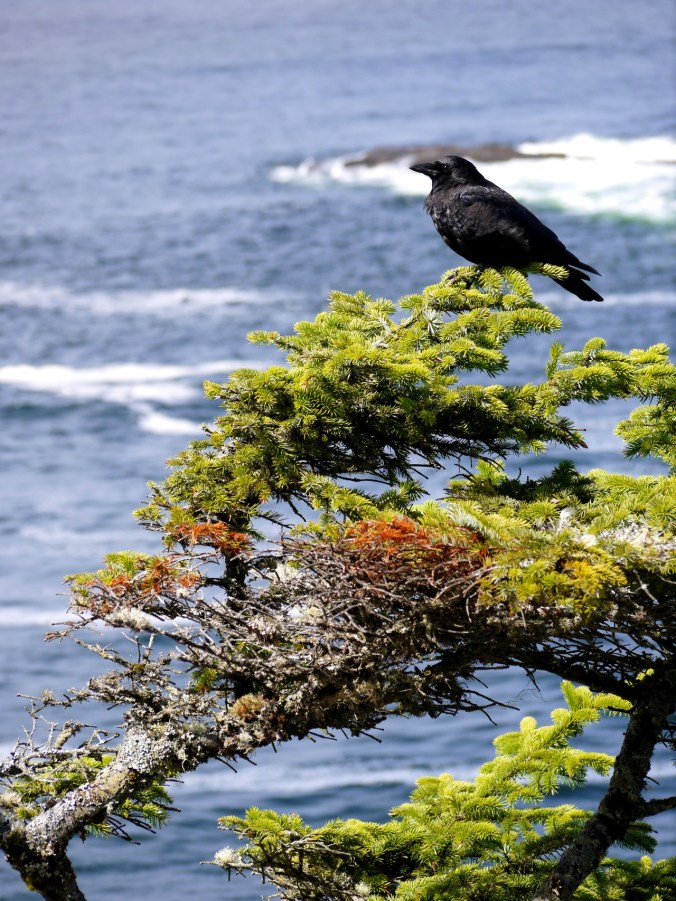
Northwestern/American Crow (Corvus caurinus/brachyrhynchos) Corvidae

Cape Flattery, WA
August 19, 2014
Robert Niese

While, as a scientist, I seriously doubt the validity of the “Northwestern” distinction for our PNW crows, if there were ever a crow that could be called a “Northwest Crow” it would have to be one at Cape Flattery (the northwestern-most point in the contiguous US). Northwestern Crows are, however, likely a subspecies of the American Crow and can only be identified based on their range of occurrence, which undoubtedly overlap for most regions.

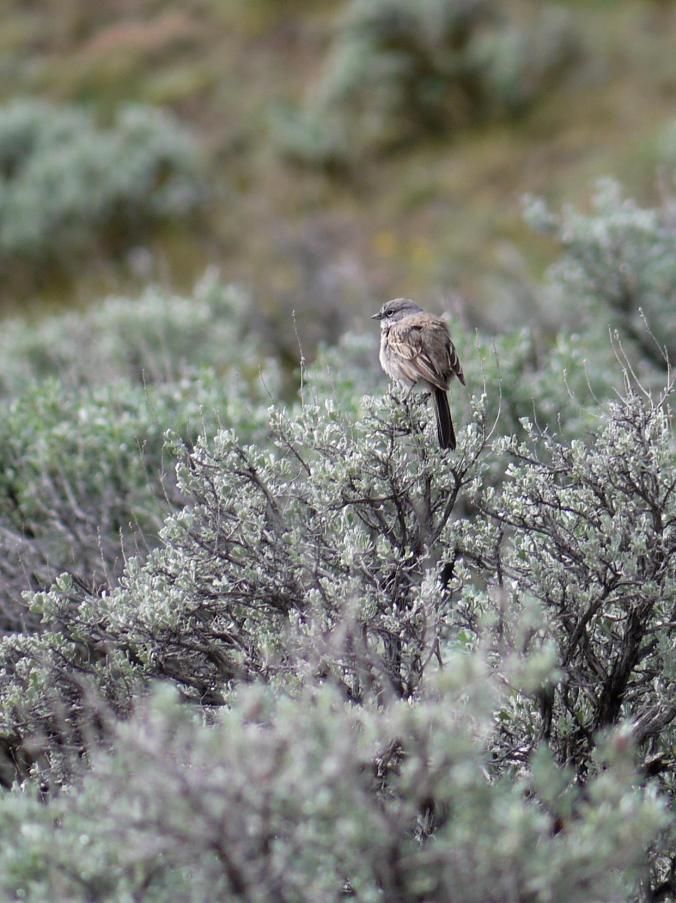
Sage Sparrow (Artemisiospiza nevadensis) Emberizidae

Ginkgo Petrified Forest State Park, WA
April 7, 2013
Robert Niese

Washington is home to the northernmost populations of Sage Sparrows in North America. These birds are sagebrush and chaparral obligates and are threatened throughout the state as these ecosystems get converted into range lands.

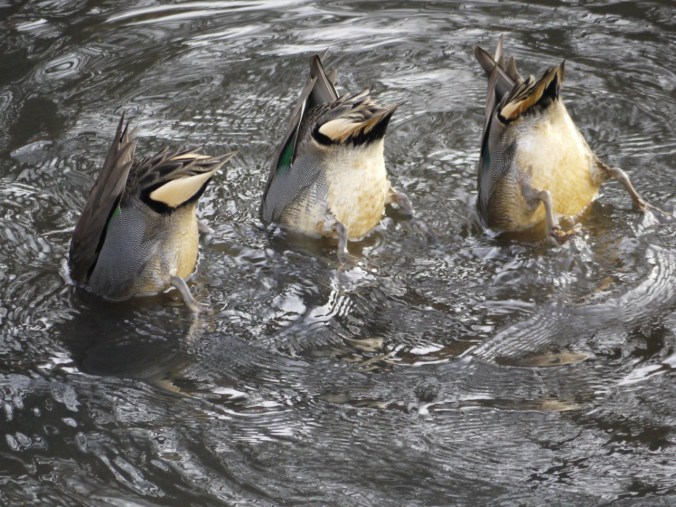
Green-winged Teal (Anas crecca carolinensis) Anatidae, males

Seattle, WA
January 13, 2013
Robert Niese

Teal are dabblers (as opposed to divers), meaning they float on the surface and reach down into the water to grab tasty bits of aquatic plant matter. This makes the ability to identify a duck butts surprisingly useful.