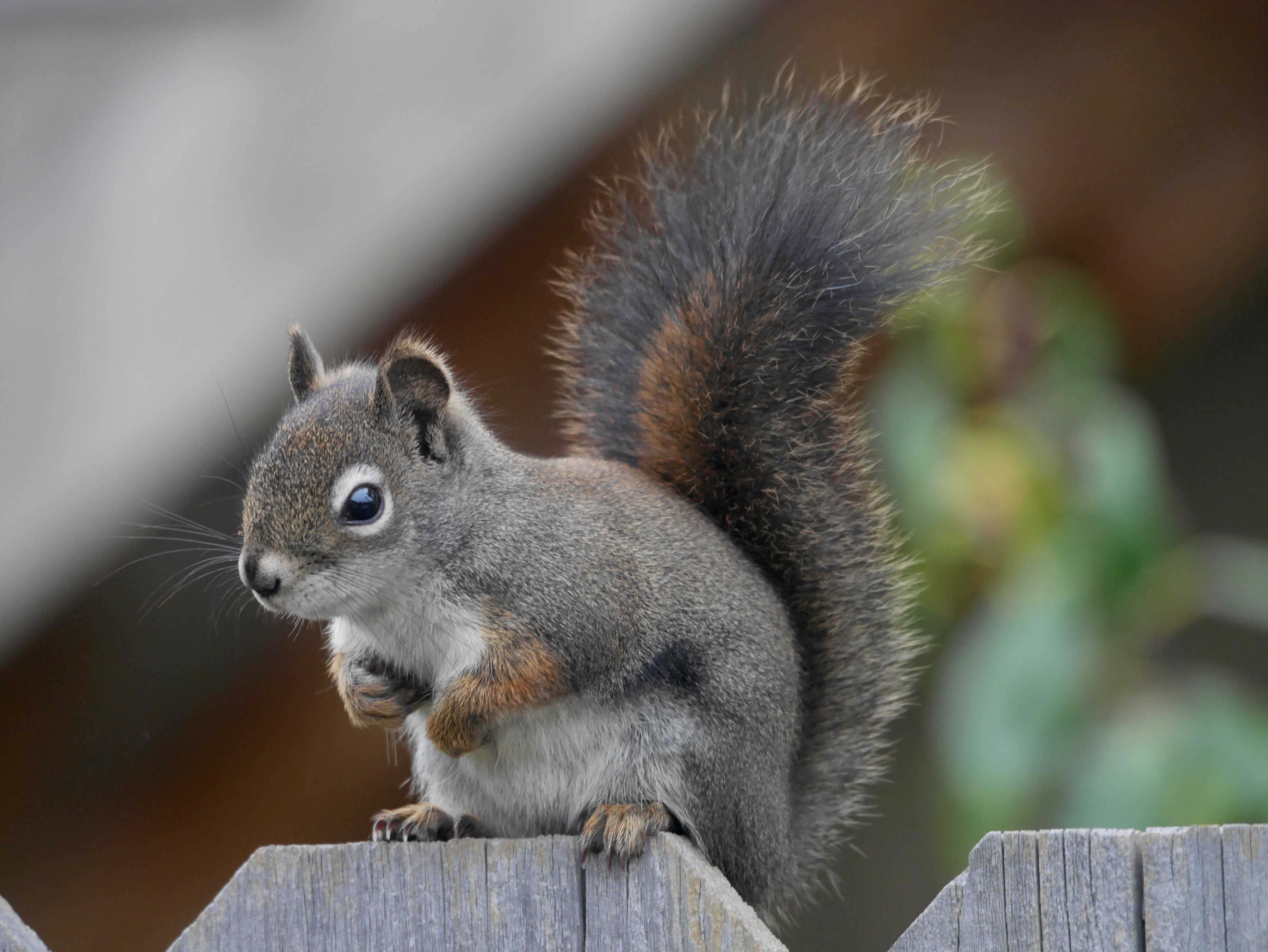
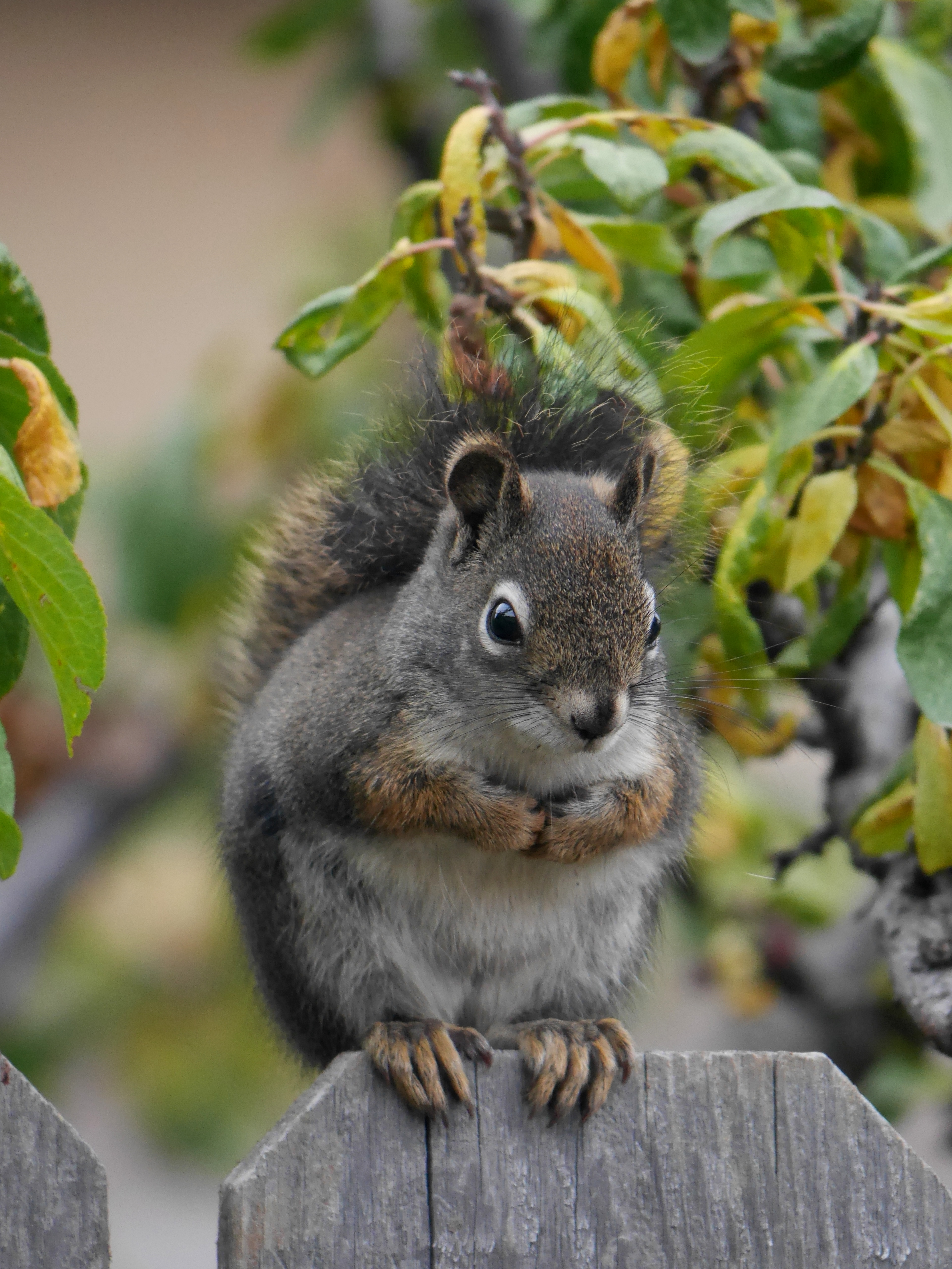
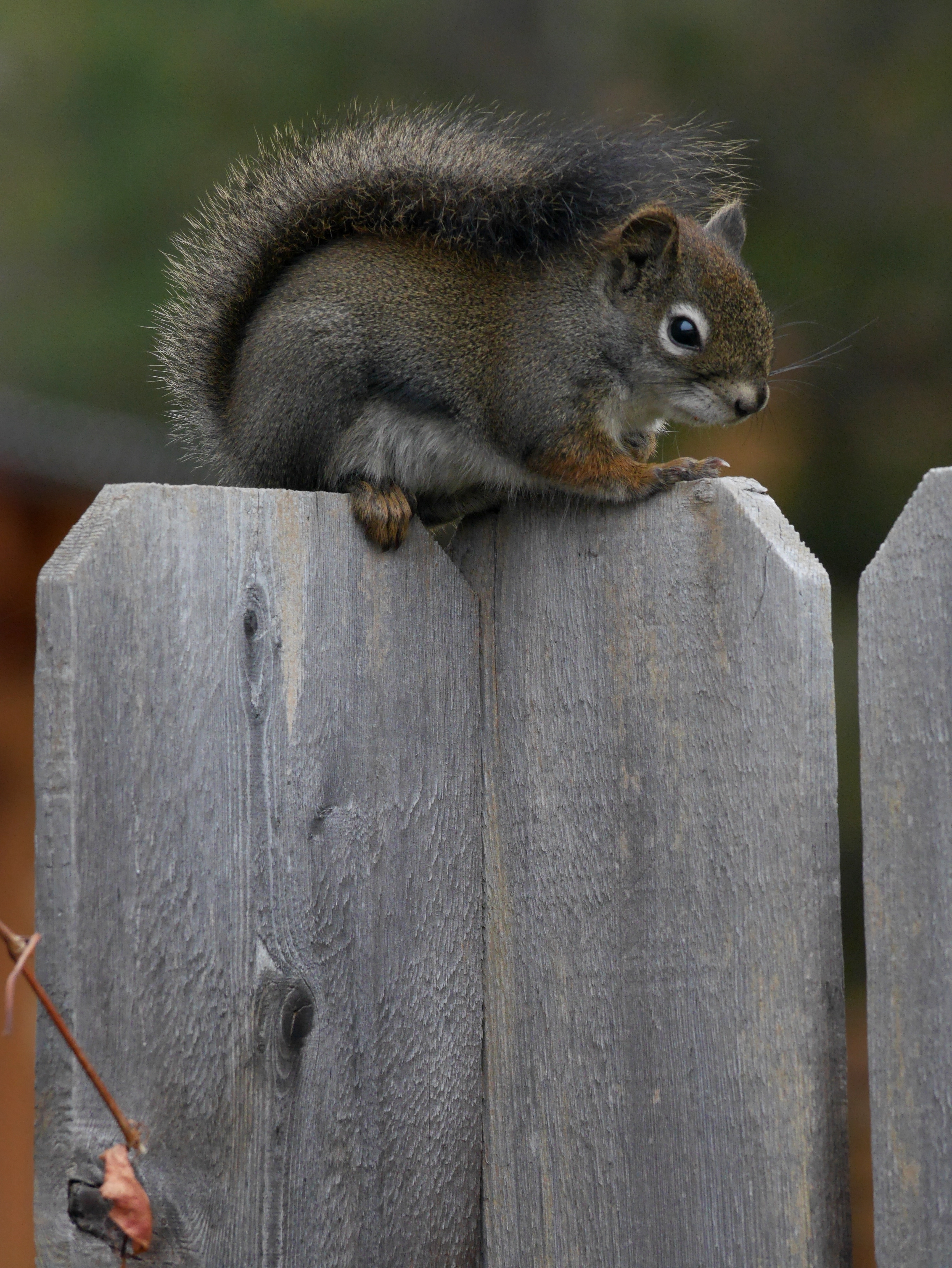
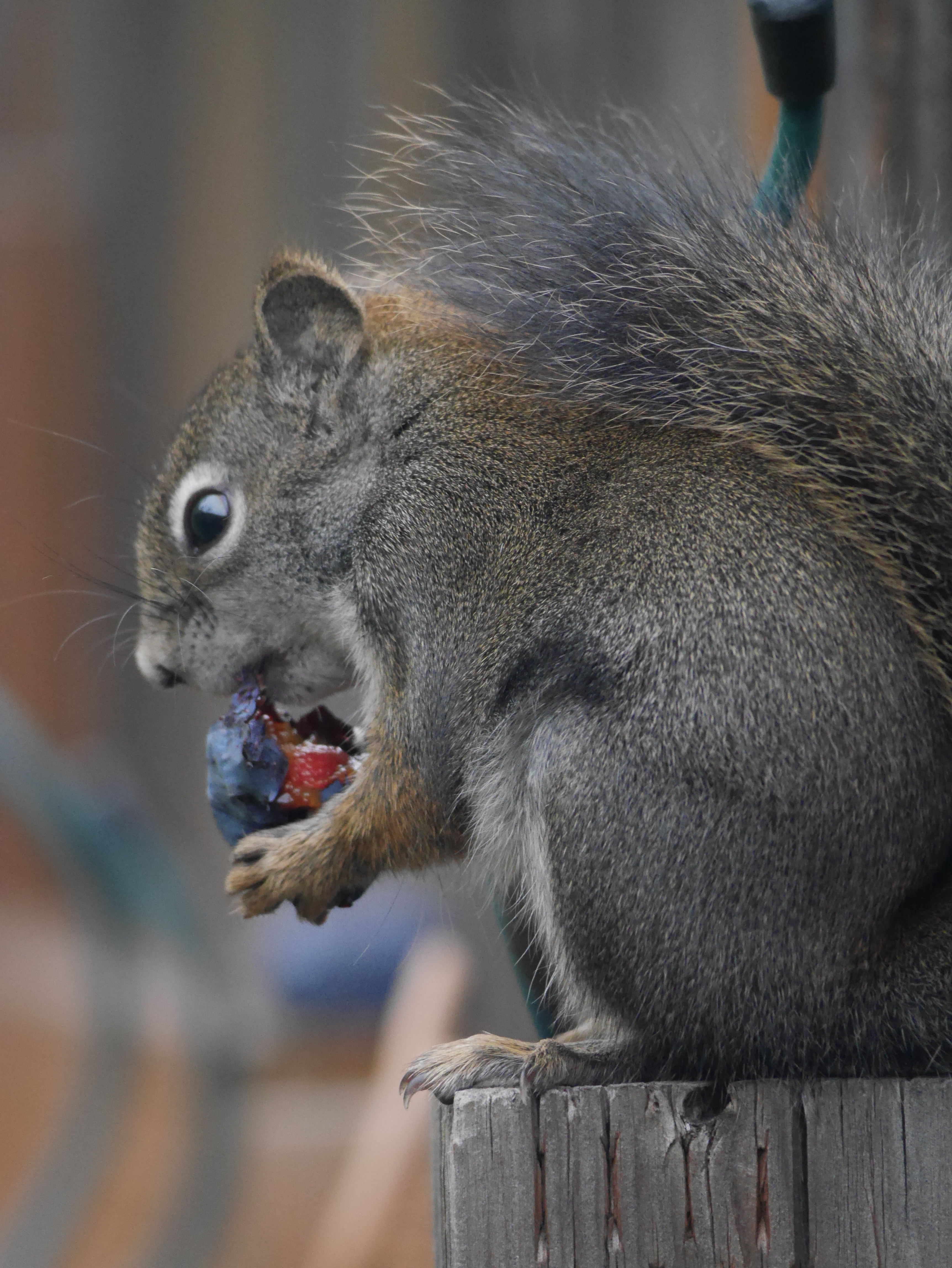
Tamiasciurus hudsonicus “Red Squirrel” Sciuridae

Missoula, MT
October 24, 2015
Robert Niese

Red Squirrels are rarely found in town here in Missoula. They require an ample supply of pine cones unlike their more adaptive relatives, the Eastern Fox Squirrel and the Eastern Gray Squirrel. But in neighborhoods adjacent to our nearby open spaces, these critters can adapt to live alongside people. This little guy was busy munching on an overripe plum when I interrupted him for a photo.
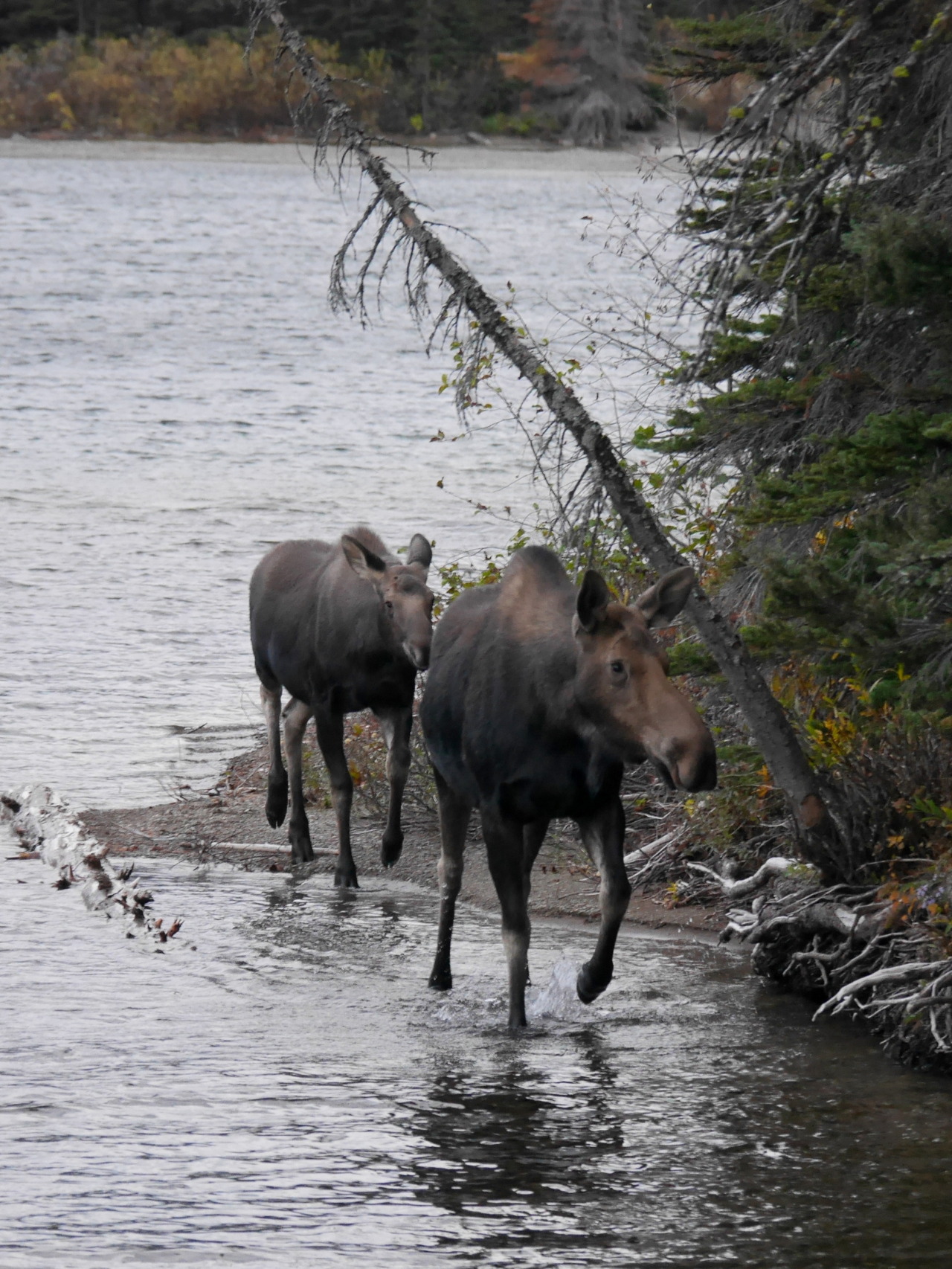
Moose cow and calf, Two Medicine, Glacier National Park, MT

Alces alces “Moose” Cervidae, cow and calf

October 8, 2015
Two Medicine, Glacier National Park, MT
Robert Niese

The Moose (also called an Elk if you’re British) is the largest extant species of deer in the world. They have a circumboreal distribution and tend to be found most often around lakes and rivers in coniferous and mixed deciduous forests. The southernmost extent of the Moose’s global range occurs here in the northwestern United States. Southern Idaho is home to the largest herds of these southern residents, but small populations can also be found as far south as Utah and Colorado. In the fall, when bulls enter the rut and cows are protecting their calves, Moose are considered the most dangerous species to encounter here in Glacier National Park. In fact, in North America Moose kill more people annually than deer, bears, and mountain lions combined (including vehicle collisions).

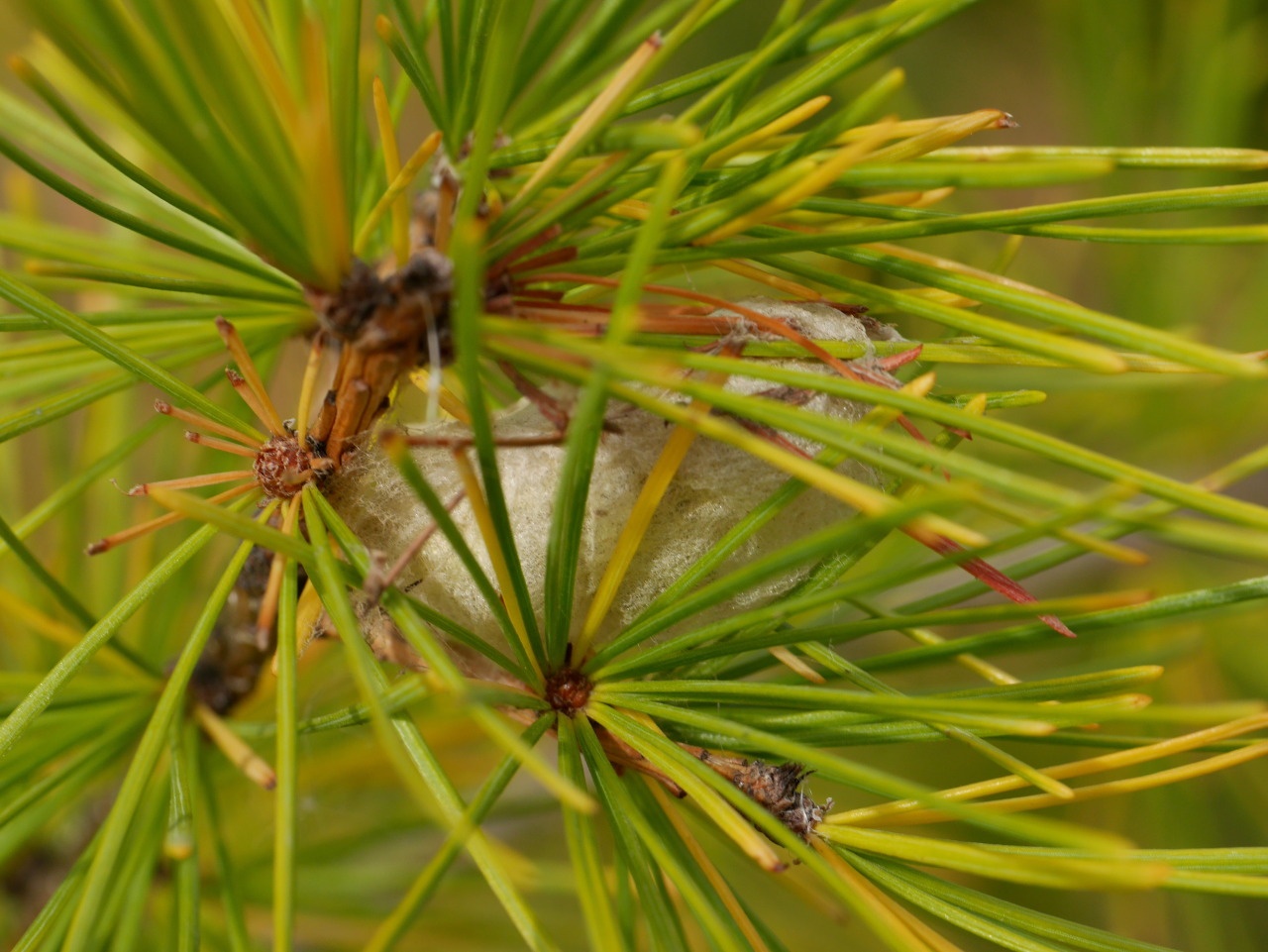
Malacosoma sp. “Tent Moth” Lasiocampidae, pupa on
Larix occidentalis “Western Larch” Pinaceae

Apgar Lookout Trail, Glacier National Park, MT
October 9, 2015
Robert Niese

The trails around Apgar are rife with Lasiocampidae pupae. They’ve spun their webby cocoons in every manner of tree, shrub, and man-made structure. Around Missoula, it wasn’t a very big year for tent moth caterpillars, but only a hundred miles away in Glacier National Park, Malacosoma numbers were significantly higher. These species go through regular boom and bust cycles and some years they become so abundant that entire forests can get defoliated. In my search of the literature, it appears that these moths overwinter as eggs, not as pupae. These pupating individuals certainly won’t survive the oncoming cold if that is indeed the case.

Ring-necked Pheasant (Phasianus colchicus) Phasianidae

No Data Available
Specimen courtesy of the Slater Museum
Photo by Robert Niese

Pheasants are native to Asia, but they have been introduced by European hunters to nearly every continent as a game bird. Here in North America, they have done particularly well and stable populations can be found throughout the plains and northern states and Canada. In spite of being considered a pest in much of their range, the males have strikingly ornate plumage and they are loved by millions (they even have their own advocacy organization!).

Tamiasciurus hudsonicus “Red Squirrel” Sciuridae

Drinking Horse Mountain, Bozeman, MT
June 3, 2015
Robert Niese

Red Squirrels are found throughout Nearctic coniferous forests where they defend territories year-round (they don’t hibernate). In the summer, squirrels will collect cones, seeds, and mushrooms in large caches which they feed from throughout the winter. As they eat these cones, they discard the scales in massive piles, called middens, which can grow to be over a meter tall. Winters here in Montana tend to be devoid of active fauna, however, these squirrels will angrily chirp at snowshoers and cross-country-skiers that wander through their territories.

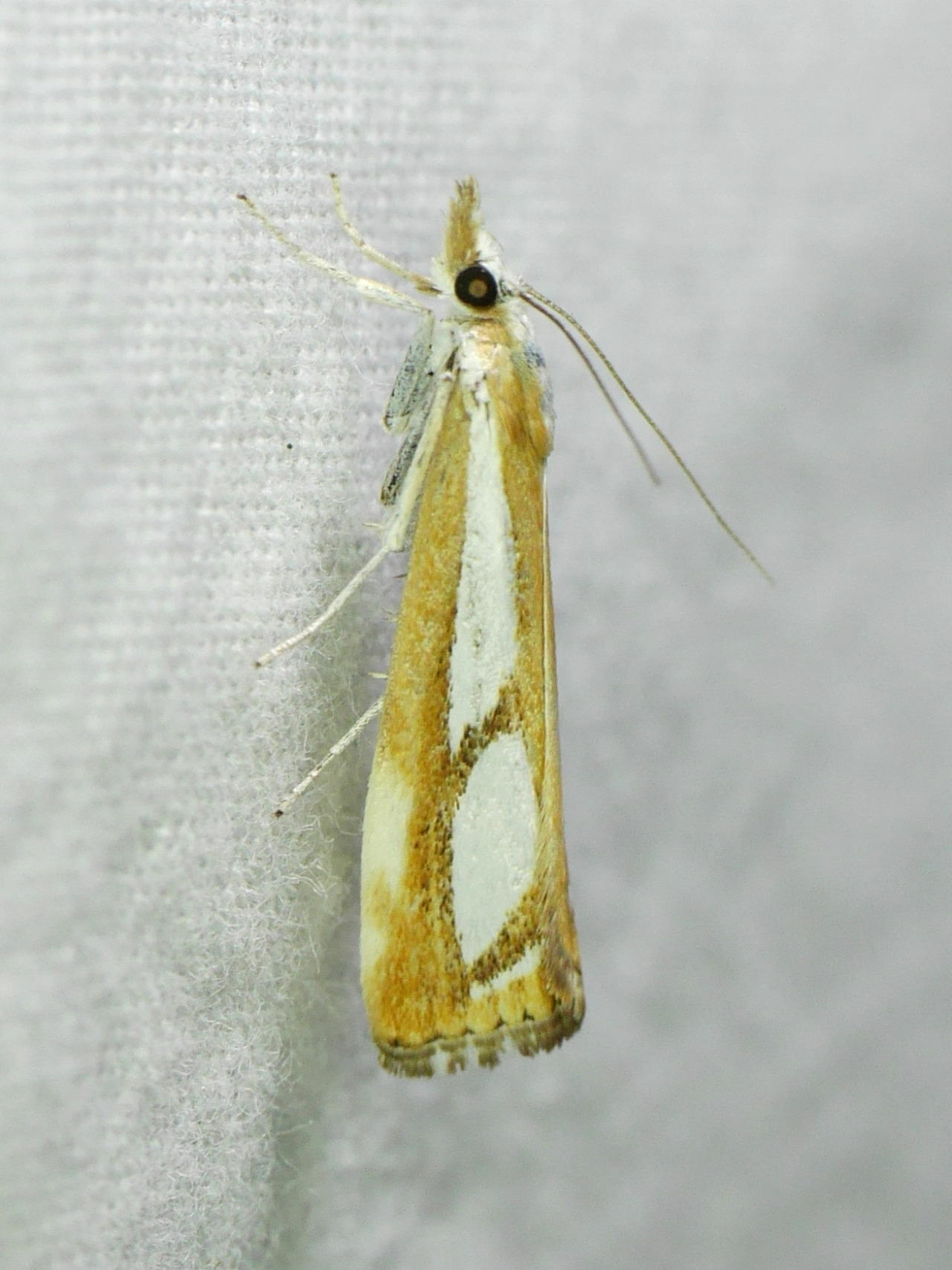
Catoptria latiradiella “Two-banded Catoptria” Crambidae

Clinton, MT
July 25, 2015
Robert Niese

This small species of Crambid moth is restricted to boreal and montane forests in North America. Its larvae are believe to feed exclusively on mosses. As adults, these moths are active both in the day and at night and are regularly seen at lights in July and August.

Phaneta infimbriana “Silver-spotted Wormwood Moth” Tortricidae

Clinton, MT
July 25, 2015
Robert Niese

These dainty Tortricids are found throughout the Northwest between July and August. As larvae they feed primarily on plants in the family Asteraceae, particularly members of the genus Artemisia, which includes sagebrush, tarragon, and wormwoods. According to the Tortricidae foodplant database, the larvae of this species have only ever been recorded on Artemisia ludoviciana which is a very common weedy species in all our open, semi-dry habitats here in the PNW.

P1240396

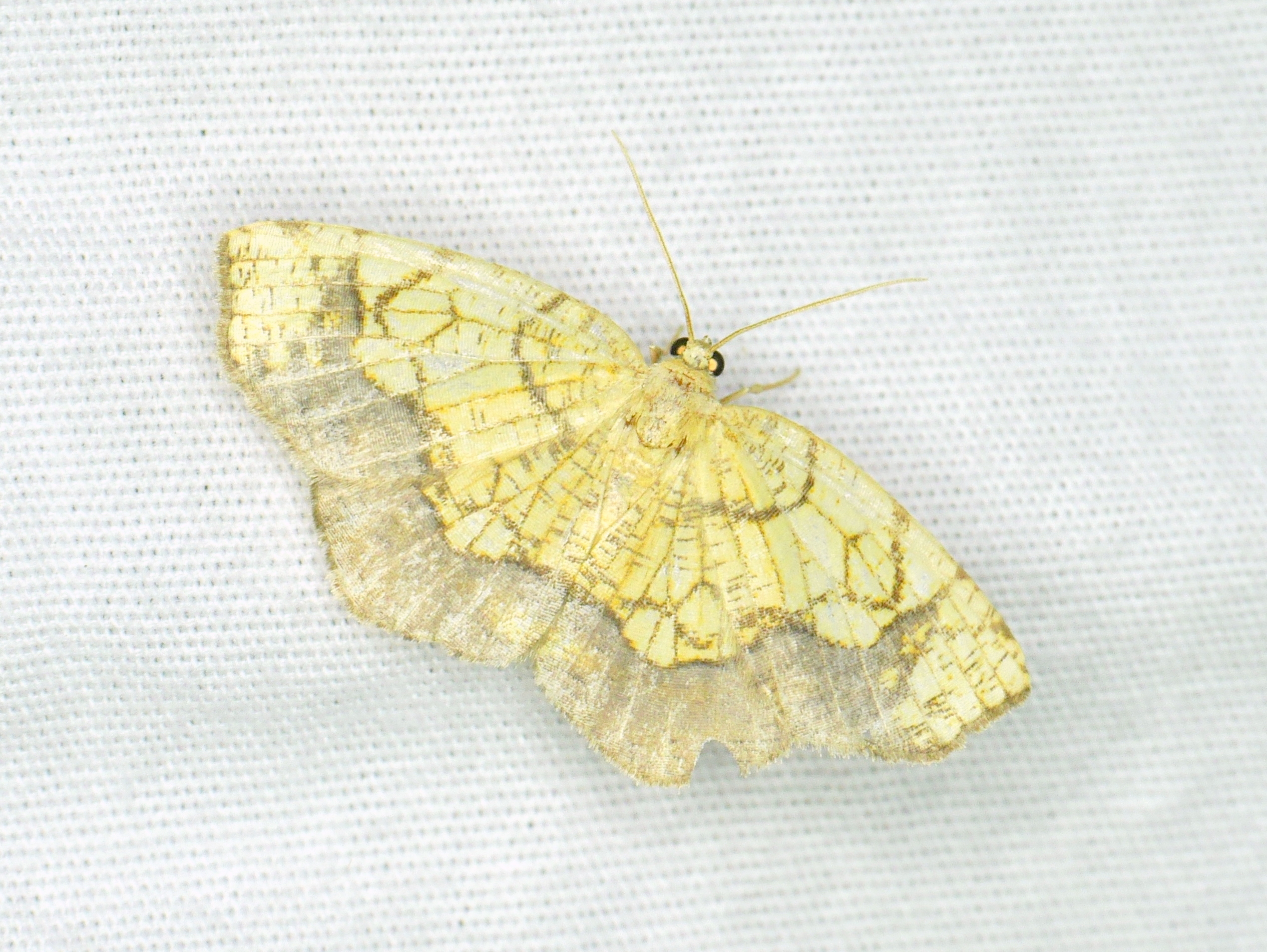
Nematocampa resistaria “Horned Spanworm Moth” Geometridae, male

Clinton, MT
July 25, 2015
Robert Niese

This species of inch-worm moth is found throughout the US, except the southwest, and exhibits striking variation in morphology across its range. Males and females are also quite dimorphic. Males tend to be yellower and have dark patches at the base of their forewings while females almost always have a white ground color. Perhaps the most intriguing aspect of the morphology of this species are the horns of their caterpillars. Look for these crazy caterpillars in mixed hardwood/conifer forests in the early summer here in the PNW.

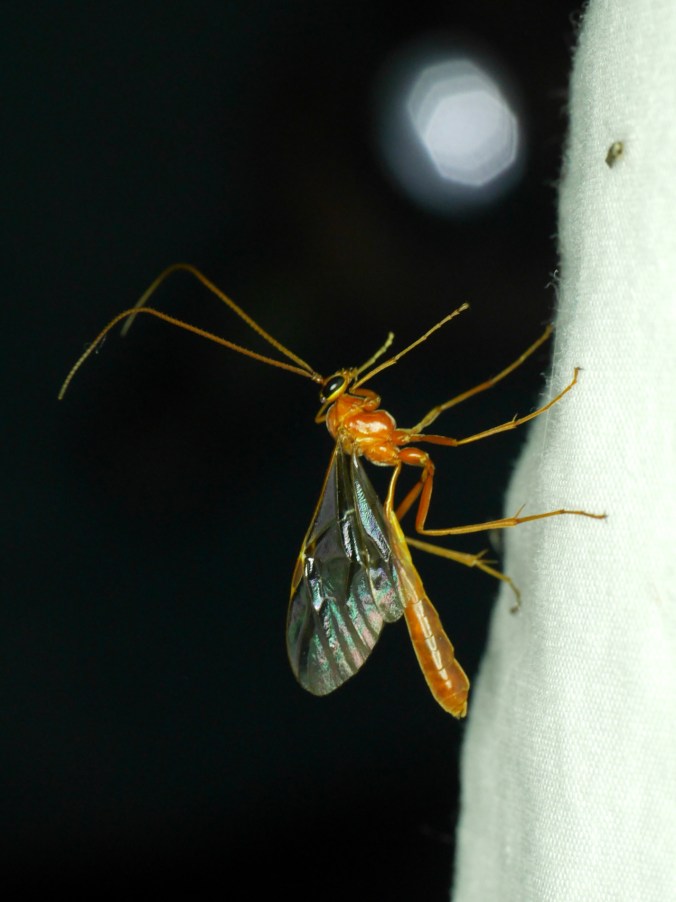
Enicospilus “americanus” species complex, Ichneumonidae

Clinton, MT
July 25, 2015
Robert Niese

This elegant wasp is a parasitoid of Saturnid and Sphingid moth caterpillars. Females lay their eggs on the bodies of caterpillars and the larvae then grow inside the caterpillar, consuming it and taking its place inside its cocoon. Adults visit flowers at night and are commonly seen at lights. We spotted this individual at our mothlighting event for National Moth Week!


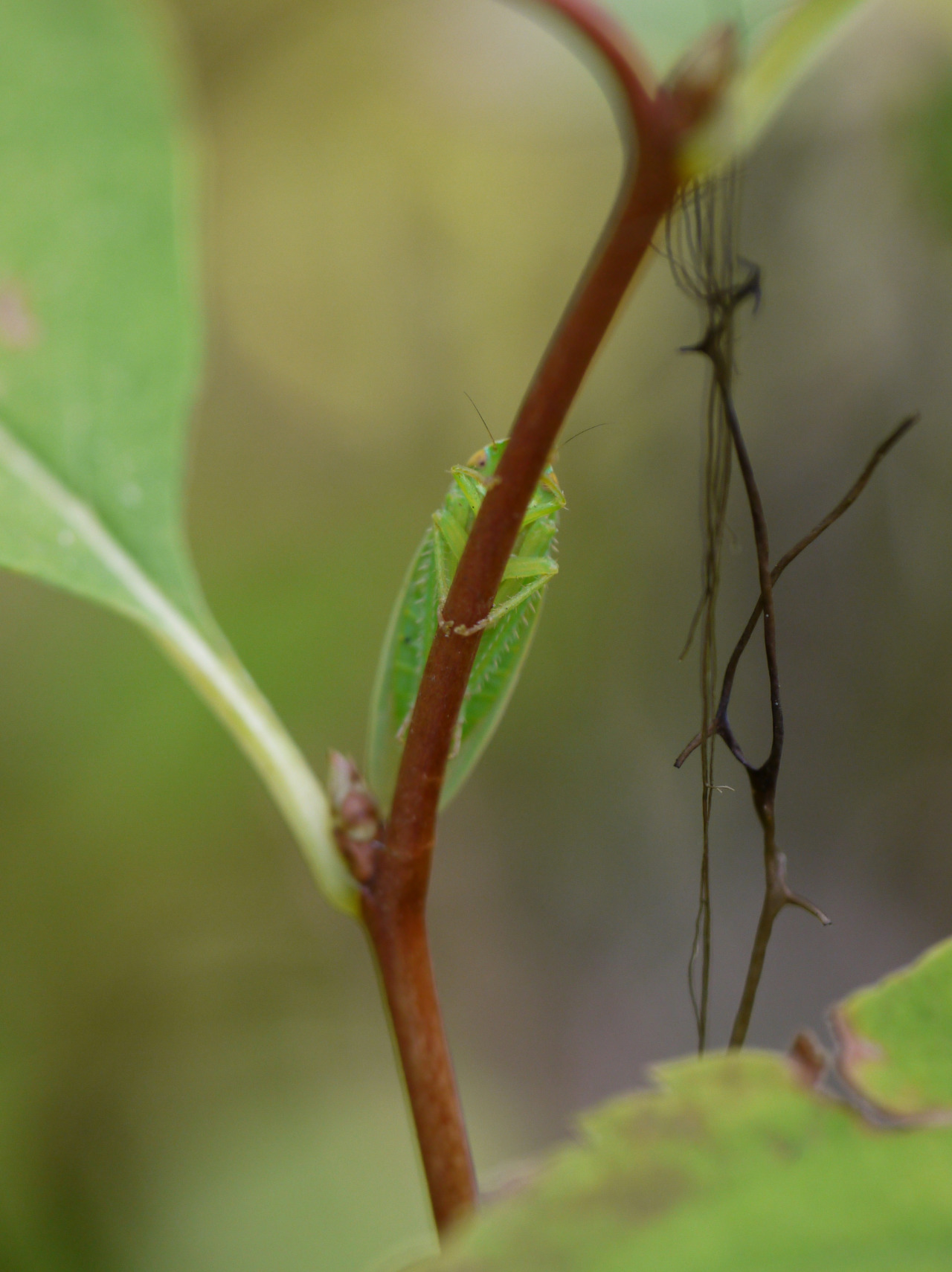
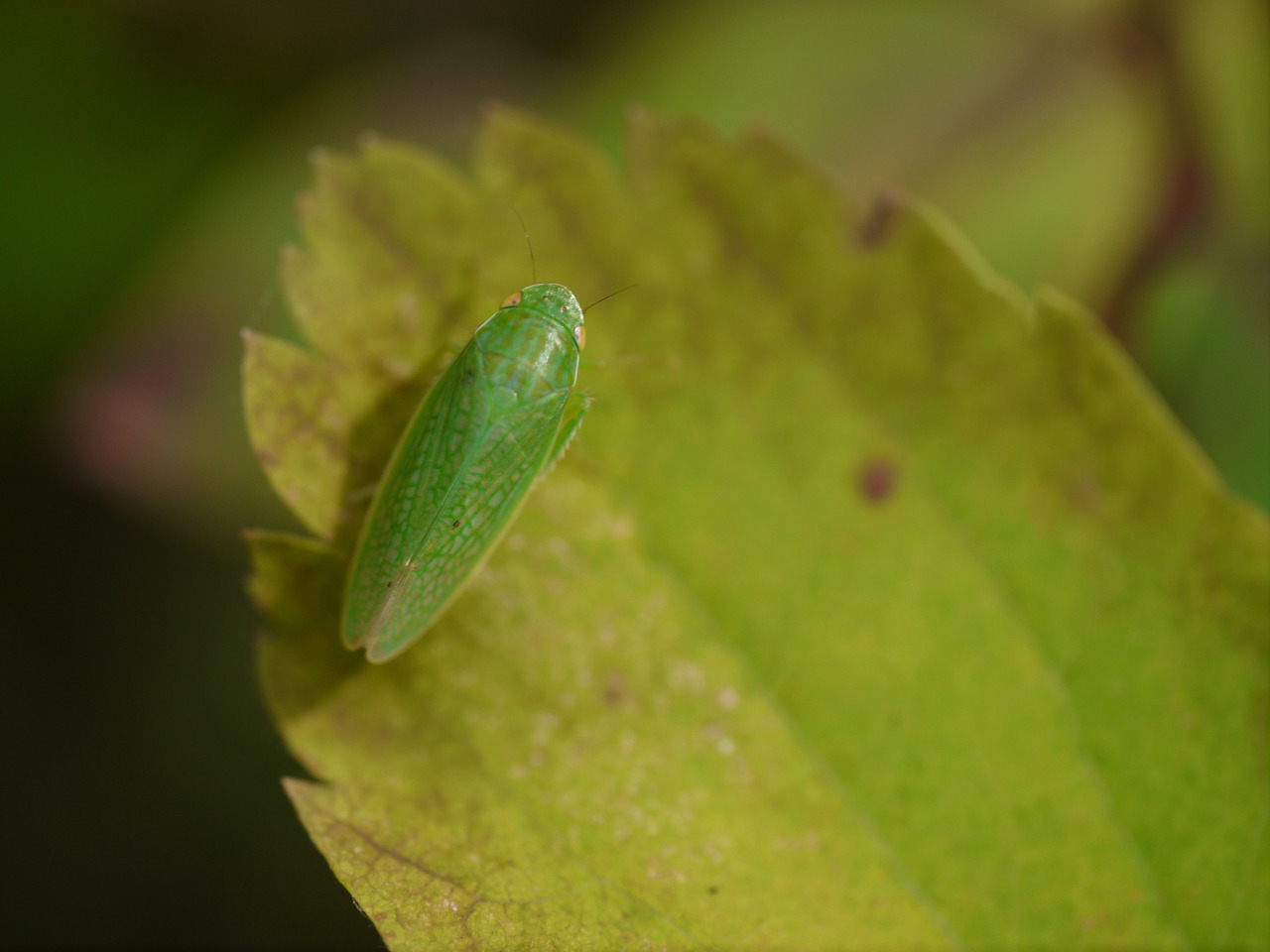
Gyponana sp. “Common Green Leafhopper” Cicadellidae

Seeley Lake, MT
September 13, 2014
Robert Niese

These leafhoppers are extremely abundant in North America but are next to impossible to identify beyond genus using external characteristics alone. These species tend to feed on the sap of conifers, and considering that this little guy was found in one of Montana’s most famous larch forests, I’m gonna guess he’s a larch specialist.