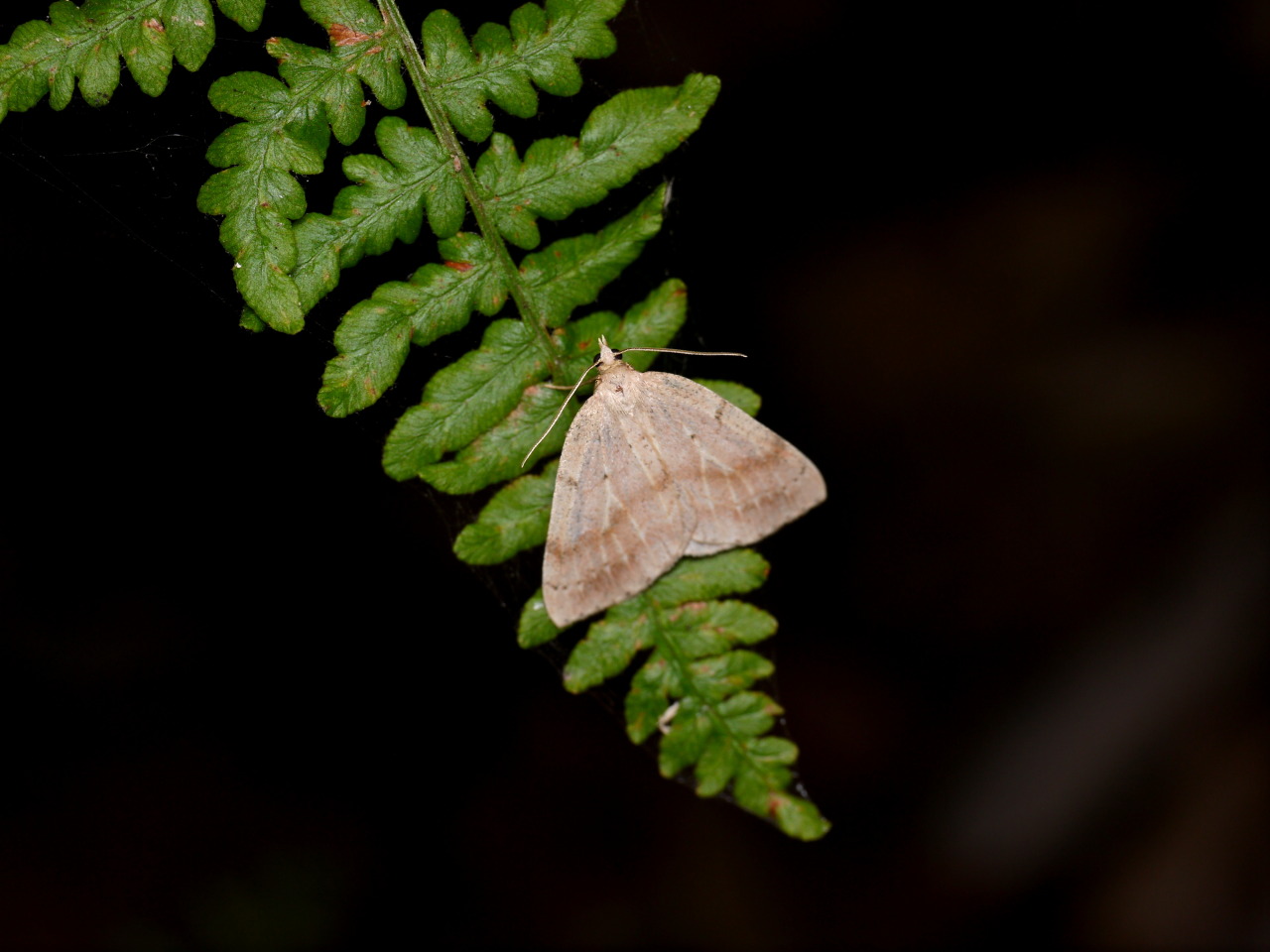
tumblr_o1qvo31tdl1tmun60o1_1280

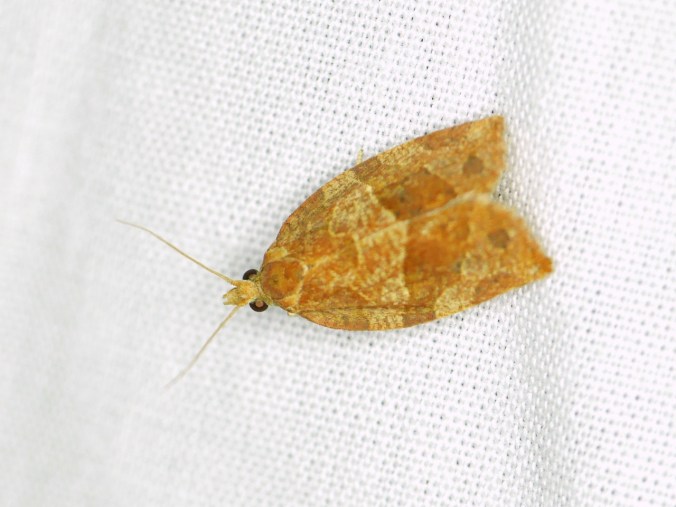
Pandemis pyrusana “Pandemis Leafroller Moth” Tortricidae

Clinton, MT
July 25, 2015
Robert Niese

Pandemis leafrollers are common in the west and are considered a pest on commercial apple, cherry, plum, and pear trees. As larvae, they roll up the sides of leaves into a tube along the mid-vein creating a shelter from predators. Larvae born early in the summer will pupate inside these shelters, but late summer larvae overwinter under bark before emerging to feed on fresh buds in the early spring. In addition to feeding on commercial fruit trees, this species is also known to chow down on alder (Alnus), willow (Salix), birch (Betula), dogwood (Cornus), aspen (Populus tremuloides), currants (Ribes), roses (Rosa), and honeysuckle (Lonicera), all of which are very common here in western Montana.
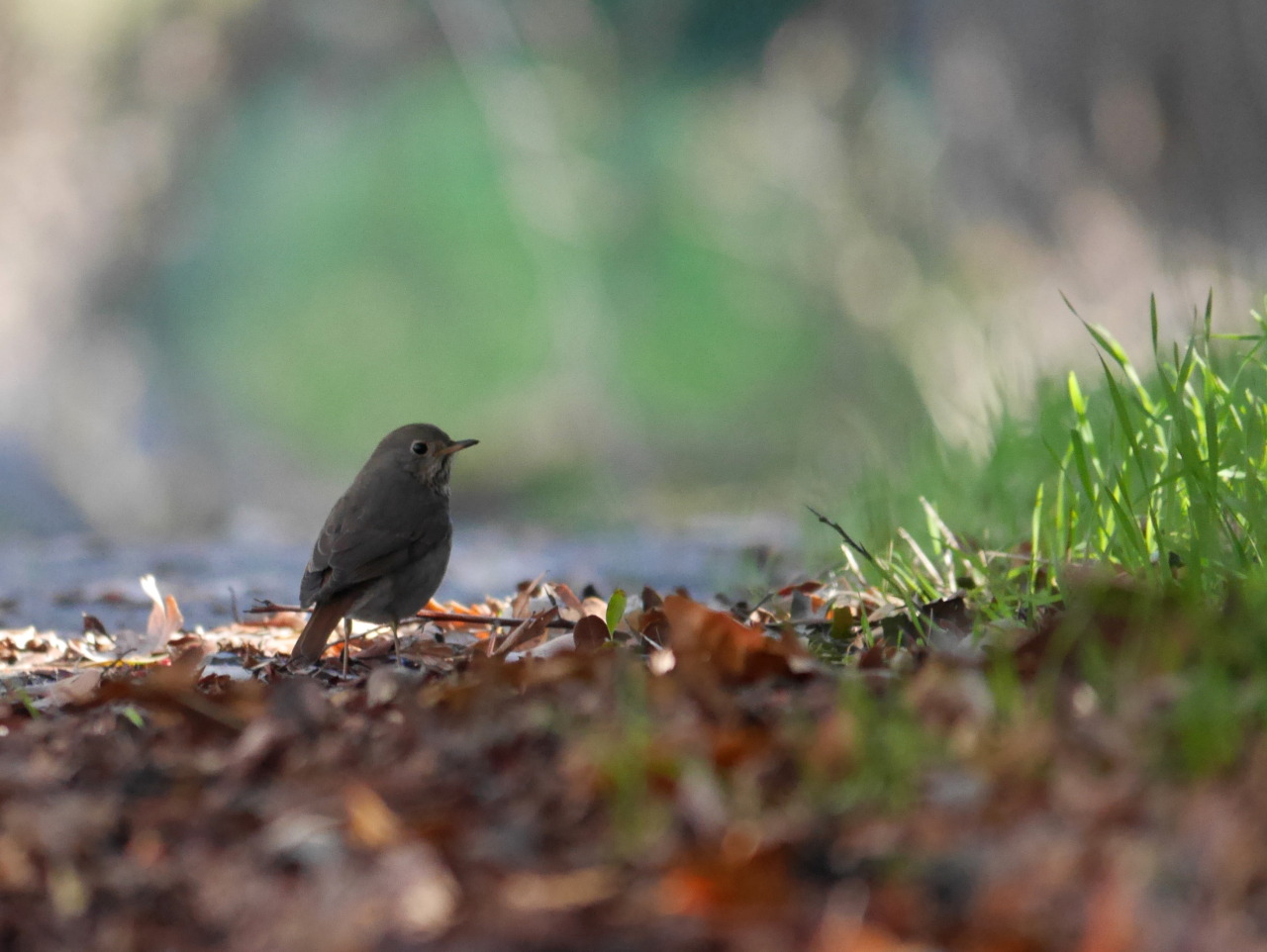
Hermit Thrush (Catharus guttatus) Turdidae

Walnut Creek, CA
December 25, 2015
Robert Niese

These rather unassuming birds have a hauntingly beautiful song that was beloved by Walt Whitman and the inspiration for the voice of the fictional Mockingjay. They also have a very interesting genetic history. There are five species of Catharus thrushes that are long-distance migrators (plus the closely related Wood Thrush in the monotypic genus Hylocichla), but the Hermit is not closely related to the others. Instead, Hermits are sister to the Russet Nightingale-thrush (C. occidentalis) which is non-migratory and endemic to Mexico. Along with the Swainson’s Thrush (C. ustulatus) and the Wood Thrush, these birds each evolved long-distance migratory behavior independently of the other thrush lineages. Learn more here.

Thallophaga hyperborea Geometridae

Point Defiance Park, Tacoma, WA
July 22, 2013
Robert Niese

This one was a really tough ID. We found this moth during our Slater Museum moth-lighting trip in Point Defiance for National Moth Week. We gave up attempting to identify it pretty early and had to call-in help from the experts at BugGuide. But even over at BugGuide, it was tentatively placed in three different genera before we settled on Thallophaga. Western Washington University is currently attempting to create a visual key to the Geometrids of the Pacific Northwest. As soon as it gets published, I’ll let you all know!

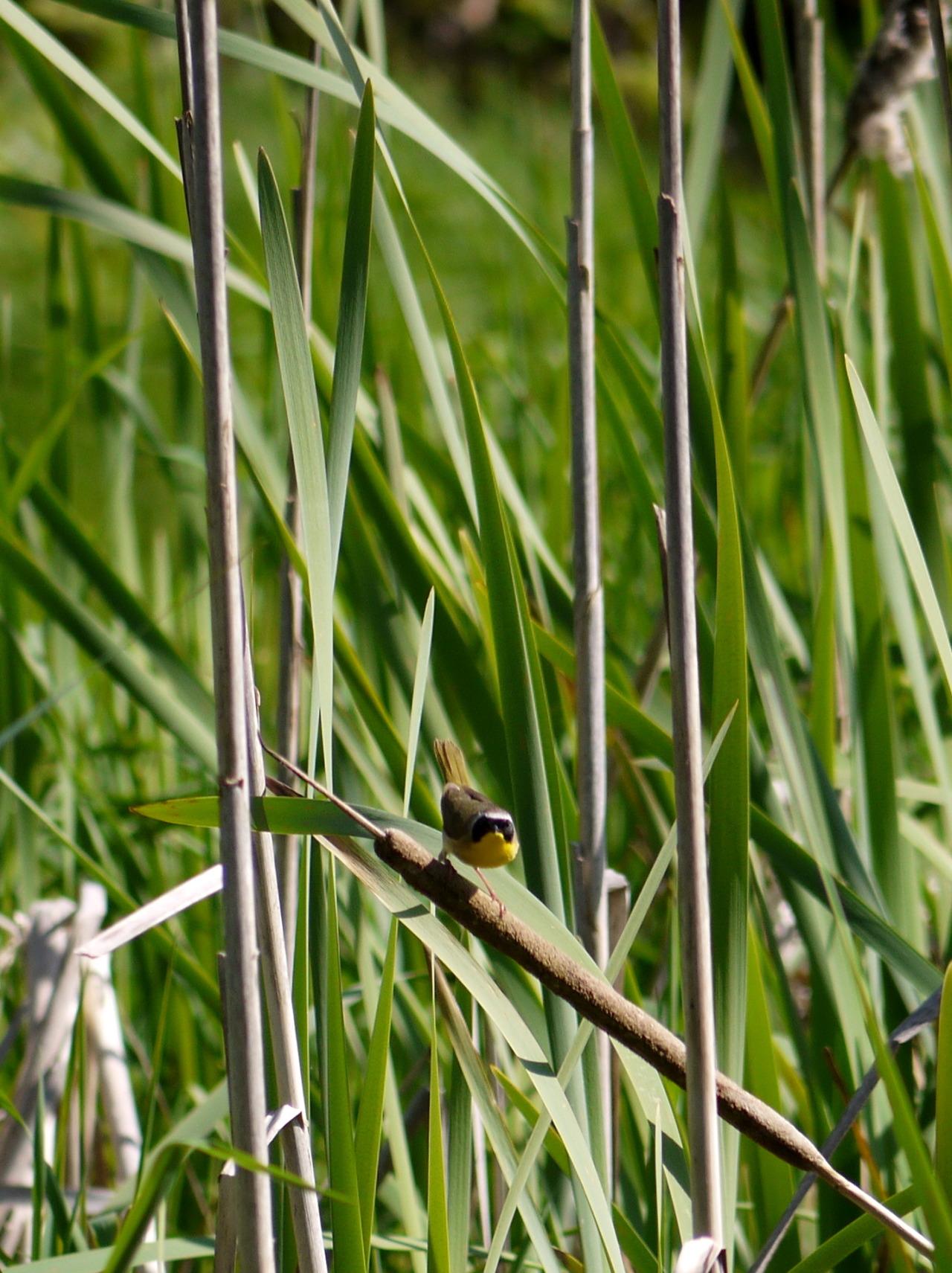
Common Yellowthroat (Geothlypis trichas) Parulidae

Nisqually National Wildlife Refuge, WA
May 6, 2012
Robert Niese

Yellowthroats are among the most abundant and widely dispersed of the New World Warblers. There are 13 different races of these little birds, but all share their characteristic witchety witchety witchety song. Listen for these birds in any riparian or wetland habitat across the US and Canada.

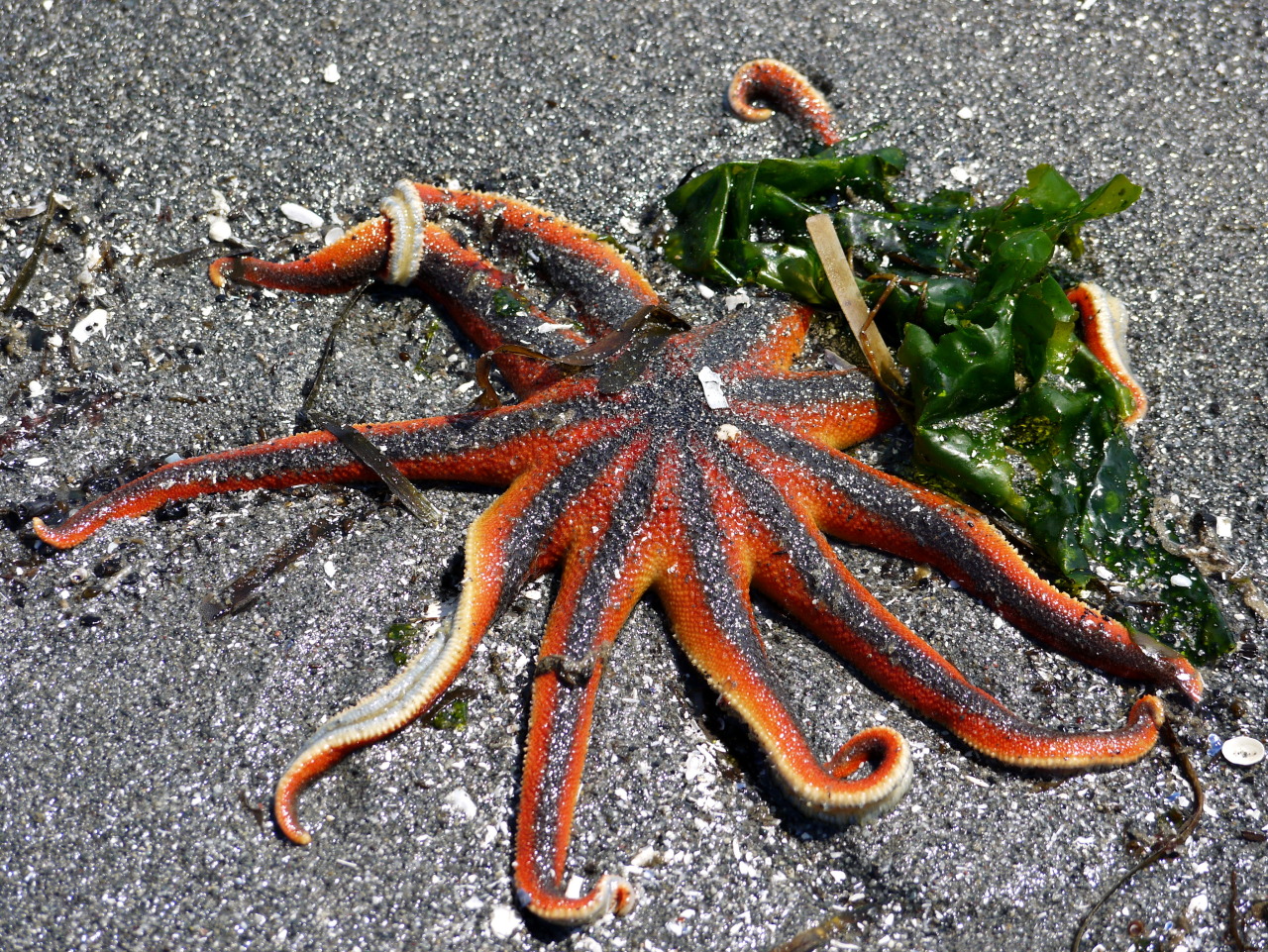
Solaster stimpsoni “Stimpson’s Sun Star” Asteroidea, with
Ulva lactuca “Sea Lettuce” Chlorophyta

Point Robinson, Vashon Island, WA
July 4, 2012
Robert Niese

Solaster sea stars tend to be a more subtidal echinoderm, so we only really get to enjoy them as beachgoers at especially low summer tides. This species is a voracious hunter of sea cucumbers which are common in rocky inter- and subtidal ecosystems. However, this individual was hunting in open sand before it was stranded by the tide, which suggests it might have been feeding on the plentiful sea pens which occur in these areas instead. This species of sea star is the host of a commensal scale worm which can be found hiding in the groove between the paired tube feet on the underside of each arm.

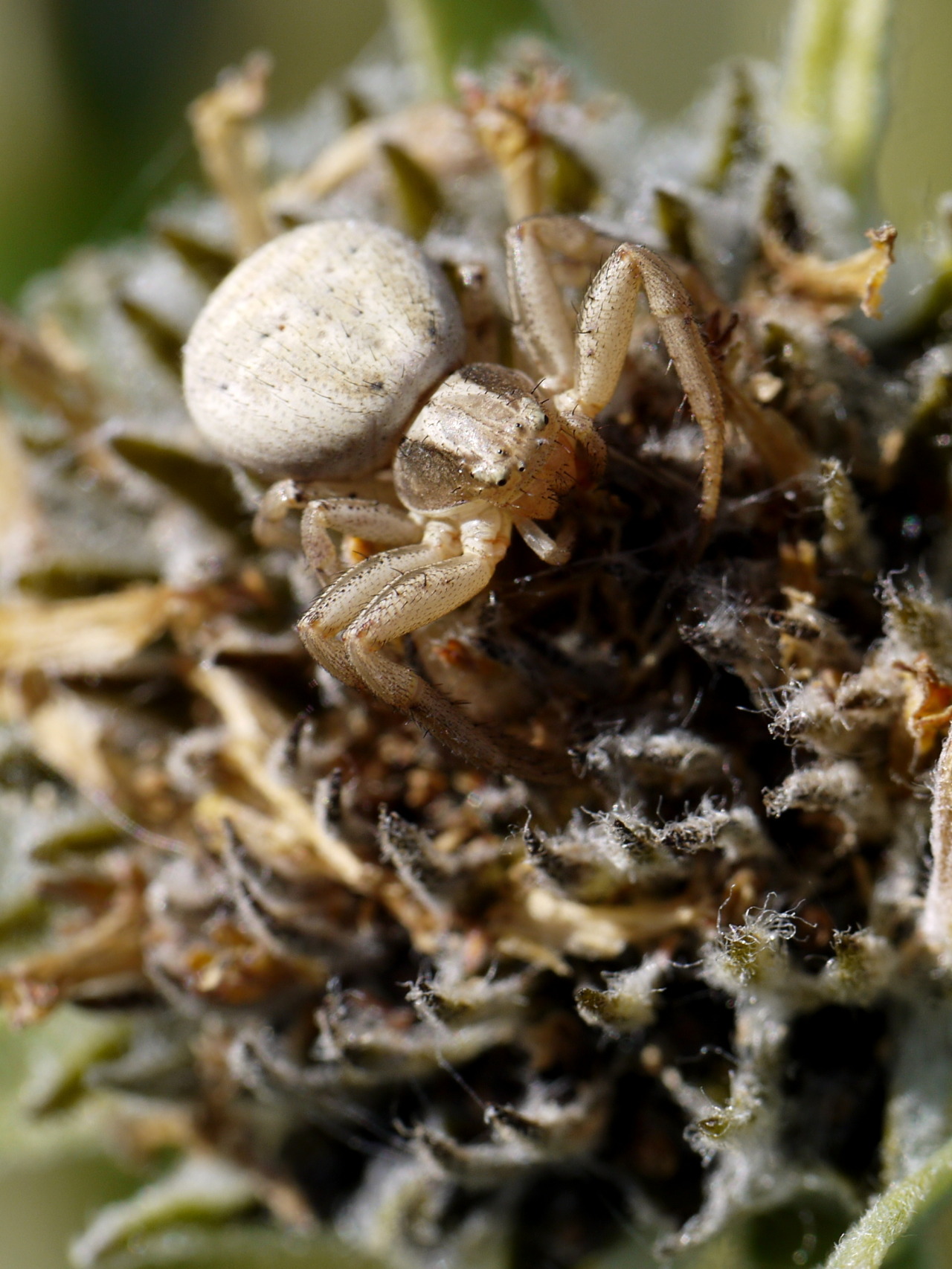
Xysticus sp. “Ground Crab Spider” Thomisidae

National Bison Range, MT
June 8, 2014
Robert Niese

This large, highly variable genus of crab spiders can be found across the US and Canada. Although they are classified as ground spiders (as opposed to the flower crab spiders), they are often found in and around flowers where they wait to ambush arthropod prey.

Trimerotropis fontana “Fontana Band-winged Grasshopper” Acrididae

Missoula, MT
September 3, 2013
Robert Niese

The hills around Missoula are absolutely flush with grasshoppers in the late summer. On our collecting trip this particular September, we caught nine or ten different species in an hour! Trimerotropis is North America’s most speciose genus of Band-winged Grasshoppers and we regularly catch three species in our area. For ID information regarding this highly abundant genus, check out David Ferguson’s descriptions in BugGuide.

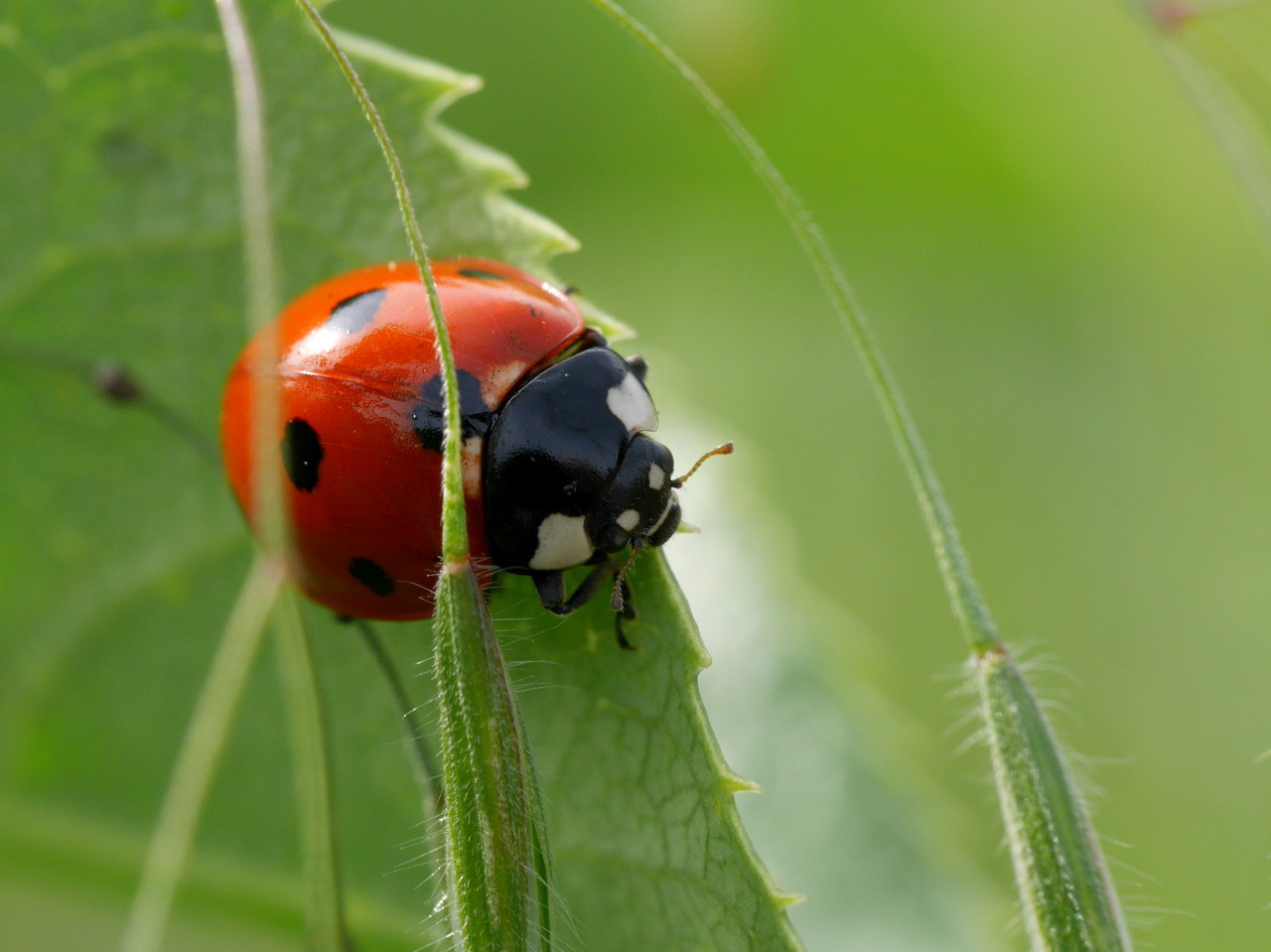
Coccinella septempunctata “Seven-spotted Lady Beetle” Coccinellidae

Drinking Horse Mountain, Bozeman, MT
June 3, 2015
Robert Niese

This species has been repeatedly introduced to the US as a biological control agent to manage aphid outbreaks. It is reportedly out-competing many native species in our area, but still has managed to become the official state insect of Delaware, Massachusetts, New Hampshire, Ohio, and Tennessee. This individual was likely released as part of an ongoing Fish and Wildlife Service biological control project in the Drinking Horse Mountain area which has also involved intense invasive plant control (with goats!) in the past.

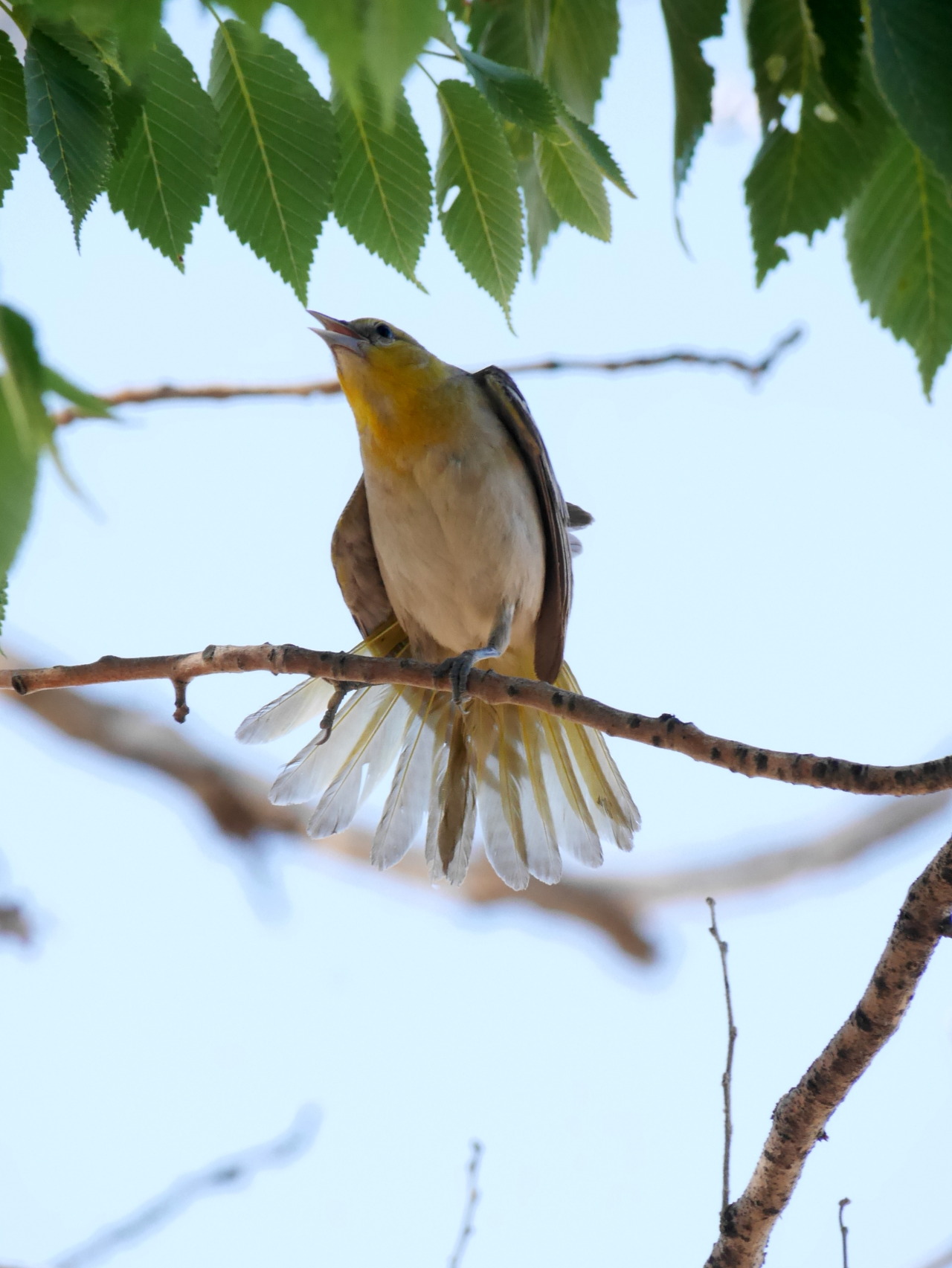
Bullock’s Oriole (Icterus bullockii) Icteridae, female

Palouse Falls State Park, WA
June 8, 2015
Robert Niese

Bullock’s Orioles are the only oriole species found in the Pacific Northwest. I caught this pretty lady mid-stretch. These rectricies (tail feathers) are really worn and she appears to be missing a feather on her right side. Normally, rectricies are molted symmetrically, so perhaps she broke this one feather or lost it in a battle with a rival. Regardless, she’s still quite a lovely bird!

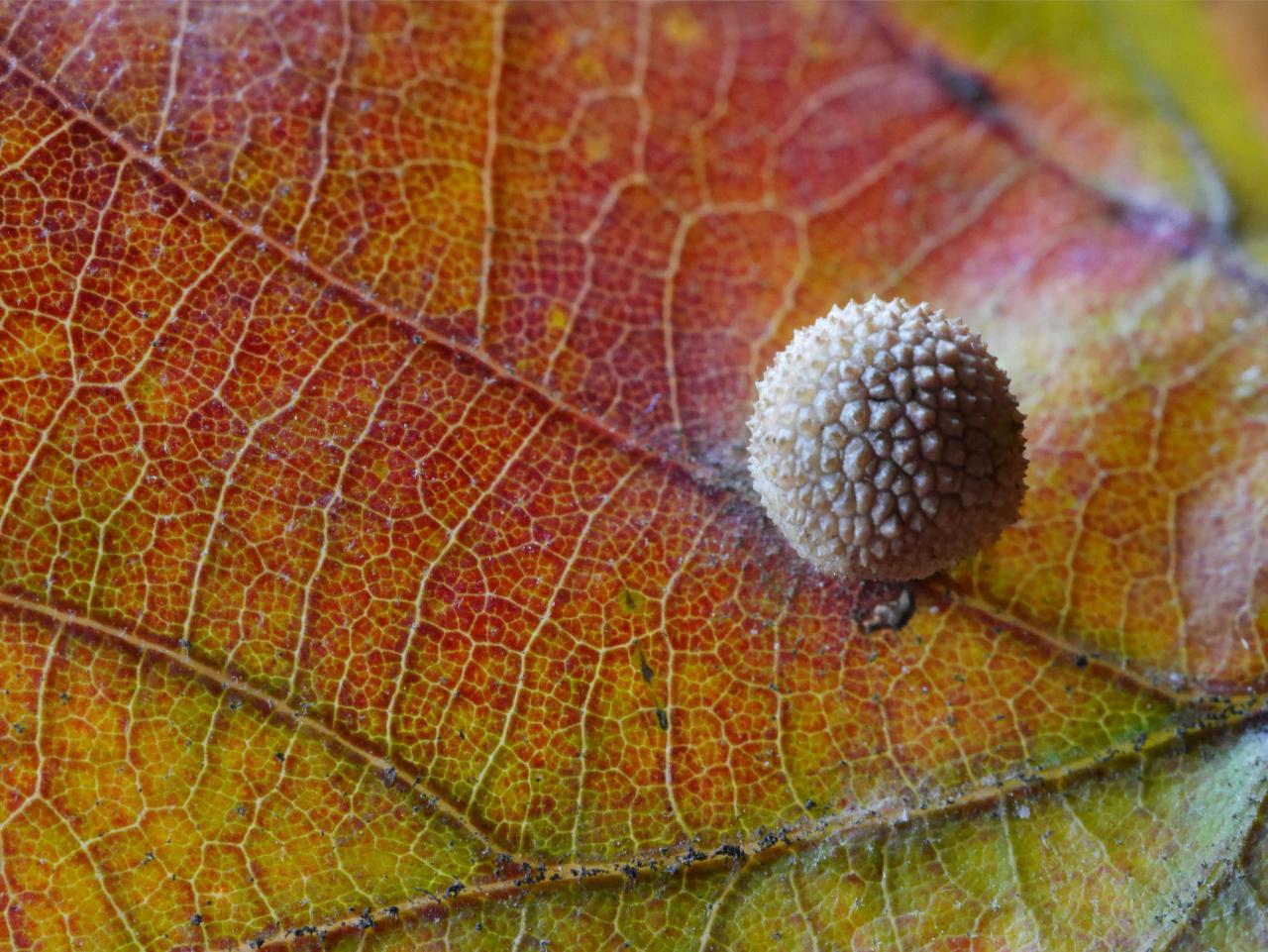
Acraspis macrocarpae “Jewel Oak Gall Wasp” gall, Cynipidae

Missoula, MT
October, 21 2015
Robert Niese

Female jewel wasps are adorable, wingless, pudgy little things when they emerge from these galls in October. Here’s another picture of these cuties for good measure. These unique organisms reproduce in cycles of alternating generations of all females and generations with both sexes. In years with only females, the wasps reproduce parthenogenetically. Apparently, parthenogenetic galls are different in size, shape, and color than their sexually-produced counterparts. I was unable to find specific information regarding this phenomenon in Acraspis macrocarpae, but most accounts suggest that only females occur inside these particular galls, which leads me to believe they may be the sexually-produced versions of these oak galls. Perhaps next year, we’ll see a completely different variety of gall on our local oaks! I’ll be sure to update you all next fall.

Also, fun fact, this species of gall wasp was originally described by Alfred Kinsey, the world-renowned human sex scientist! It’s true! Before studying sex, Kinsey collected more than 7.5 million galls and wasps and named dozens of species. Of the 18 million insect specimens currently housed at the American Museum of Natural History, nearly a third are from Kinsey’s dissertation! His work not only revolutionized our understanding of this wasp family, but also had profound impacts on the ways we conducted phylogenetic and entomological analyses. Read more about his fascinating work as an entomologist here.