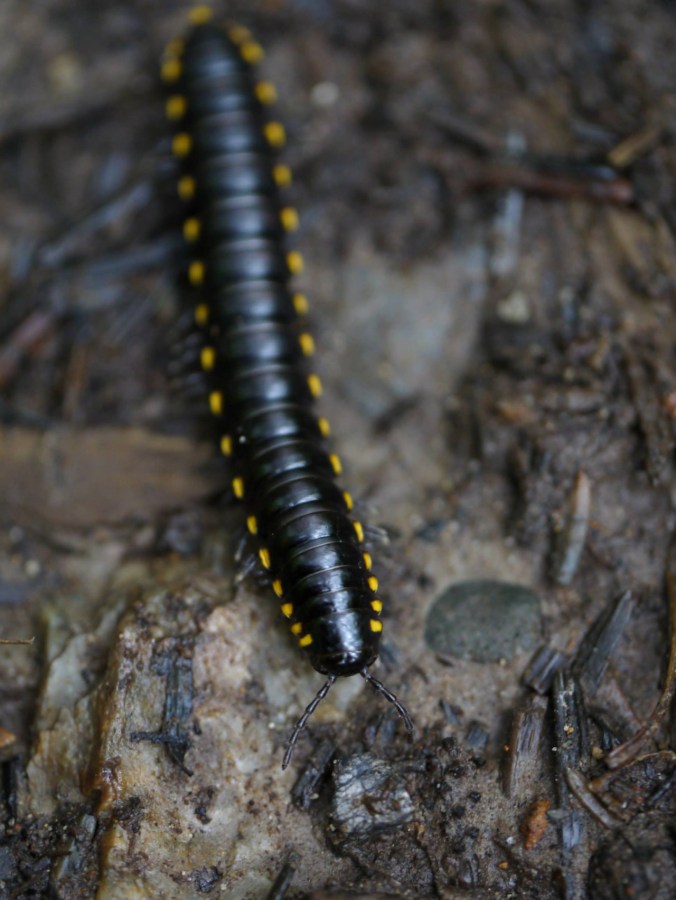
Harpaphe haydeniana “Yellow-spotted Millipede” Diplopoda

Olympic National Park, WA
June 4, 2013
Robert Niese

This adorable PNW millipede is a common denizen of nearly all moist coniferous forests from Alaska to California. It is also known as the “Almond-scented Millipede” due to the odors it produces when disturbed (hydrogen cyanide smells like almonds, apparently). But don’t worry, these little guys cant hurt you (just don’t eat it!). In fact, they are an exceptional critter to handle and explore with your young naturalists-in-training.
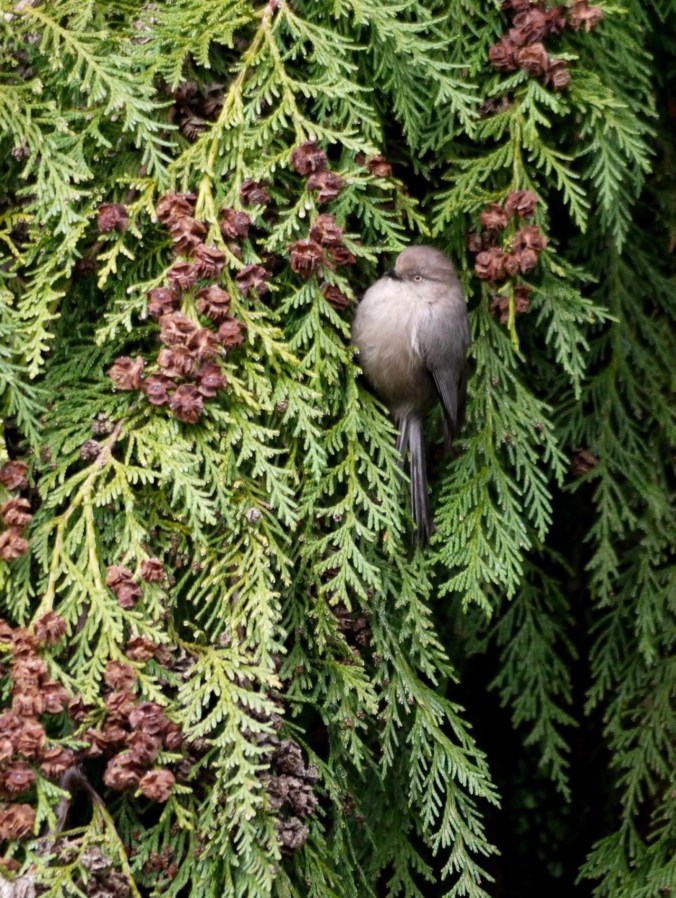
American Bushtit (Psaltriparus minimus) Aegithalidae 

University of Washington, Seattle, WA
January 13, 2013
Robert Niese

American Bushtits are the only member of the bushtit family found in the New World. Did you know you can tell apart the sexes based on their eye color? This is a female. Males have all black eyes.

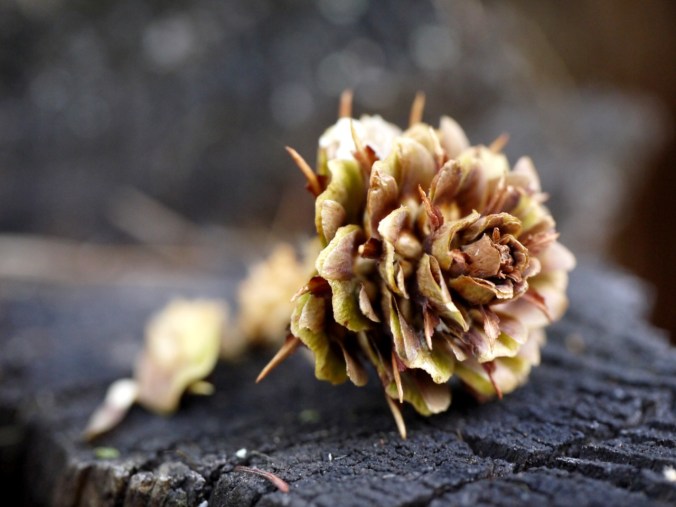
Larix occidentalis “Western Larch” Pinaceae (cone with evidence of seed predation by Tamiasciurus hudsonicus Red Squirrel)

Seeley Lake, MT
September 13, 2014
Robert Niese

Red Squirrels are cone specialists and create massive debris piles, called middens, in areas where they regularly eat (typically atop a stump, fallen log, or low, broad tree branch). These middens are easy to spot and are often more than a meter in width. In Western Washington, these cone middens are usually created by the Red Squirrel’s cousin, the Douglas Squirrel (T. douglasii).

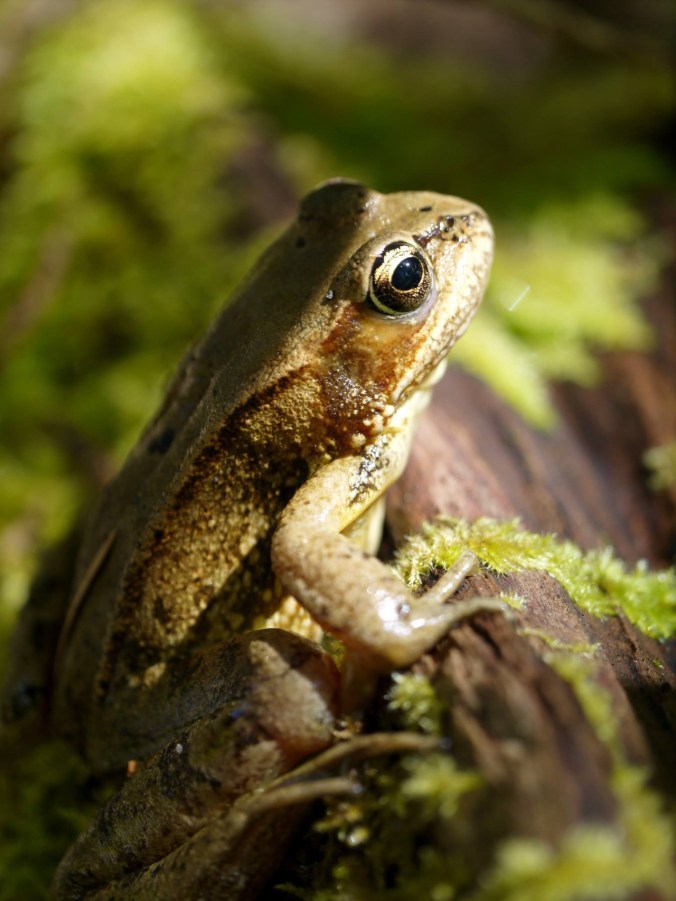
Rana cascadae “Cascades Frog” Ranidae

Olympic National Park, WA
June 7, 2013
Robert Niese

These frogs are endemic to the Cascade and Olympic Mountains where they require predator-free water sources to breed. The introduction of trout for recreational fishing has devastated many populations of these frogs here in the PNW.

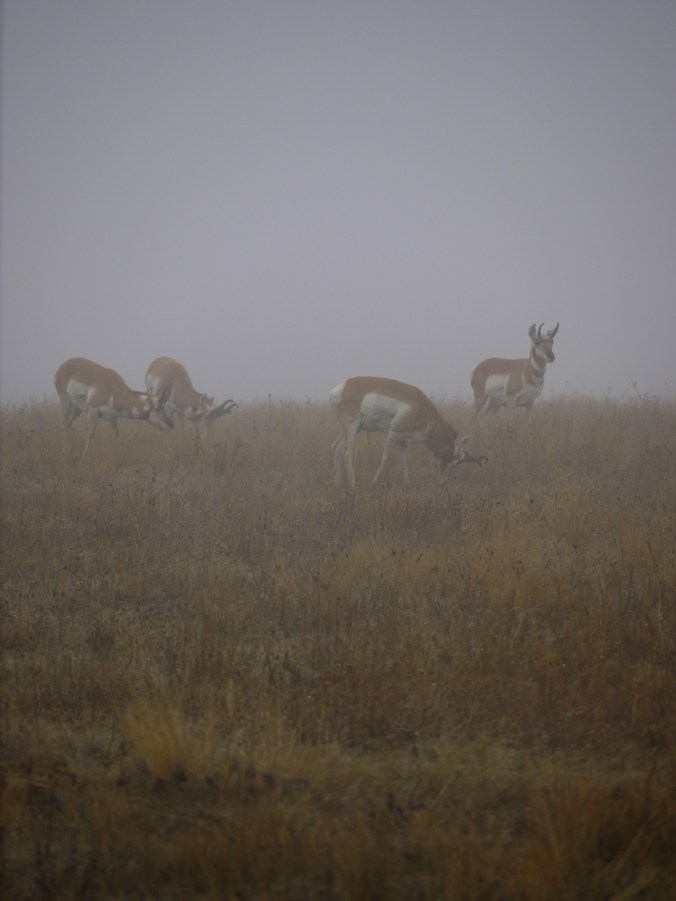
Antilocapra americana “Pronghorn Antelope” Antilocapridae (males)

National Bison Range, MT
October 26, 2013
Robert Niese

Pronghorn Antelope, like many other North American Ungulates, are polygynous. In other words, a single, dominant male claims a harem of females and battles with rival males to maintain control of the herd. The less fortunate, subservient males tend to form “bachelor herds” in which they practice sparring with one another until they are experienced and old enough to challenge the dominant male. Also, the Pronghorn Antelope family is one of only two North American mammal families that are endemic to the continent.

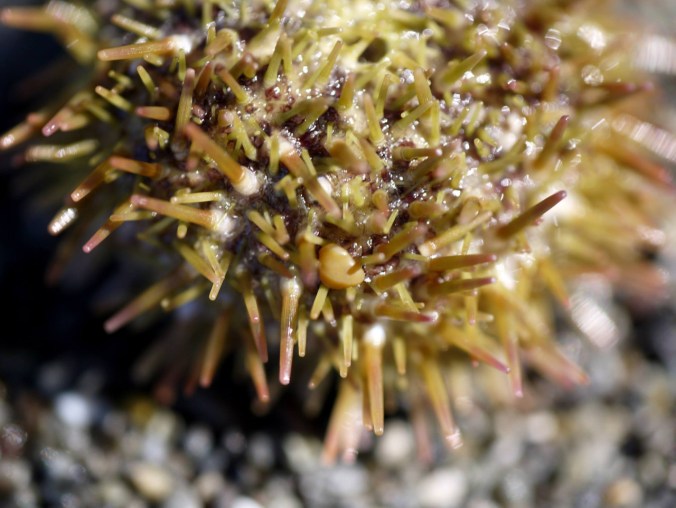
Strongylocentrotus droebachiensis “Green Urchin” Echinoidea

Olympic National Park, WA
June 2, 2013
Robert Niese

Strongylocentrotus droebachiensis has one of the longest binomial Latin names of any organism in the world. It is also one of the most abundant and widely distributed urchins on Earth. Here in Washington, S. droebachiensis is at the southernmost extent of its range.

Mantis religiosa “European Mantis” Mantidae

Woodinville, WA
August 13, 2013
Robert Niese

Native mantids are exceedingly rare in Washington, but that doesn’t make the introduced and abundant European Mantis any less photogenic. If you’re interested in finding natives, try scouring sagebrush habitats in central Washington for Litaneutria, a small gray ground mantis.

Pentidotea (Idotea) wosnesenskii “Kelp Isopod” Isopoda

Olympic National Park, WA
June 1, 2013
Robert Niese

This is an abundant intertidal crustacean that feasts on algae growing among mussel and barnacle beds throughout northern Pacific rocky coastlines. They range in color from purple to red to brown to green, depending on their current algae diet.