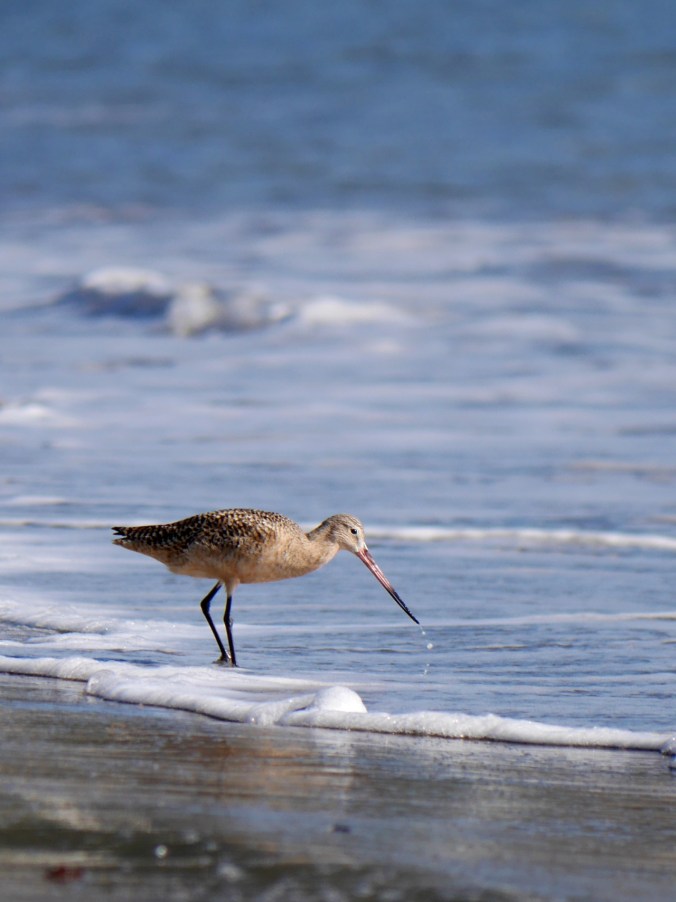
Marbled Godwit (Limosa fedoa) Scolopacidae
Santa Cruz, CA
January 3, 2015
Robert Niese
These shorebirds spend their winters here on the Pacific coast and fly inland to the Great Plains to breed in the summer.
Marbled Godwit (Limosa fedoa) Scolopacidae
Santa Cruz, CA
January 3, 2015
Robert Niese
These shorebirds spend their winters here on the Pacific coast and fly inland to the Great Plains to breed in the summer.
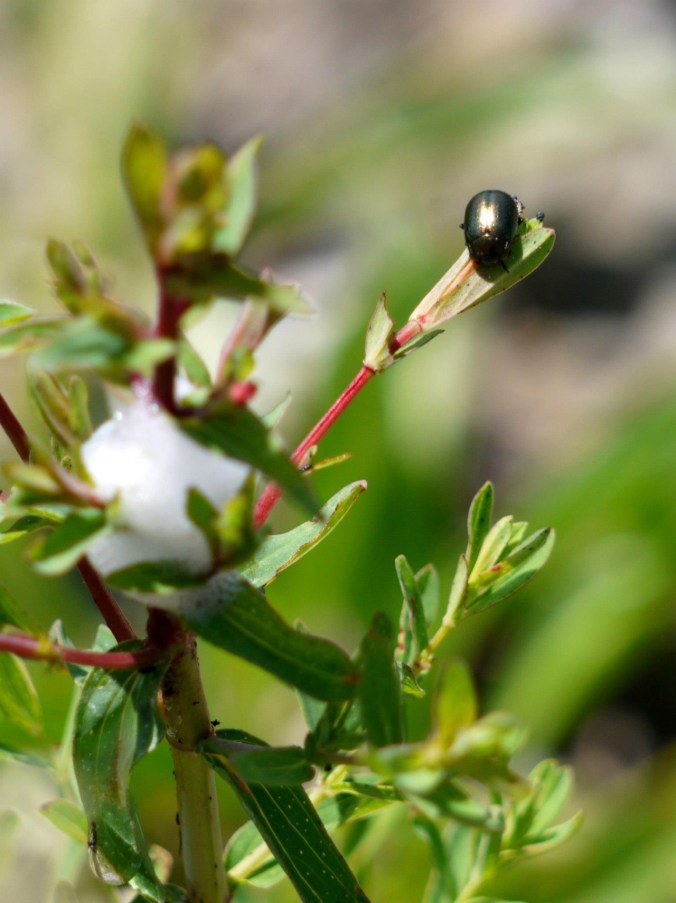
Chrysolina hyperici “St. Johnswort Beetle” Chrysomelidae
Joint Base Lewis-McChord, WA
May 2013
Robert Niese
In the late 1940s these beetles were introduced to California to control the spread of the weed St. Johnswort (Hypericum perforatum). The introduction of the beetles was so successful that the state erected a monument commemorating their success in Eureka, CA.
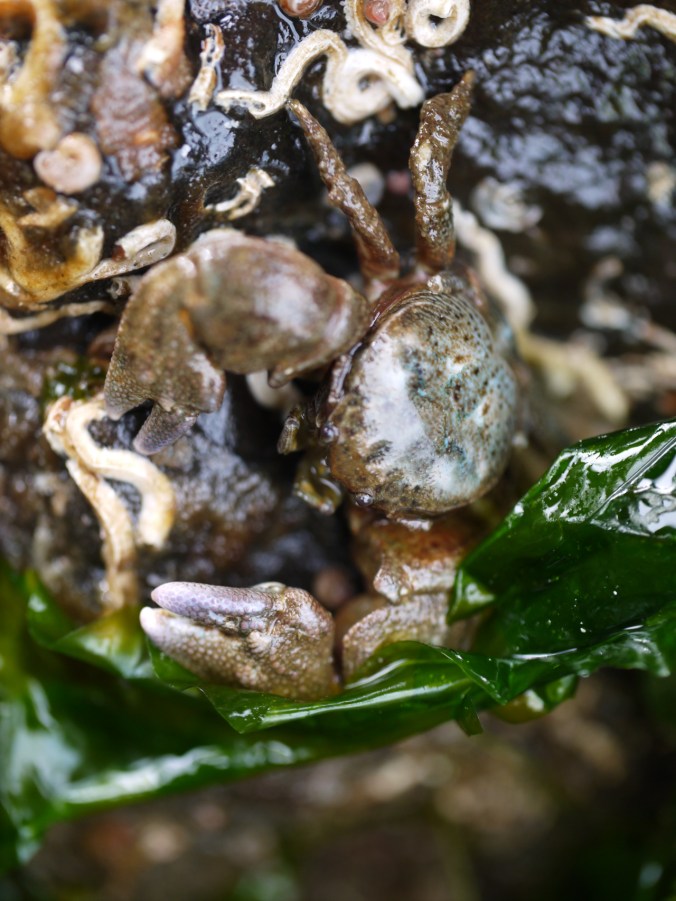
Pachycheles rudis “Thick-clawed Porcelain Crab” Decapoda
Fox Island, WA
June 23, 2013
Robert Niese
Porcelain crabs are not actually “true crabs” and are a remarkable example of convergent evolution in the Decopod order. In fact, crab-like forms have evolved so many times within the crustacean clade that evolutionary biologists have given this type of convergent evolution its own name: carcinization. Porcelain crabs are more closely related to hermit crabs and squat lobsters than they are to a typical Cancer crab.

Limenitis lorquini “Lorquin’s Admiral” Nymphalidae
Mount Rainier National Park, WA
August 12, 2013
Robert Niese
These butterflies will aggressively defend their feeding sites throughout the summer, chasing off rival males as well as other intruding insects and even hummingbirds.

Pacific Wren (Troglodytes pacificus) Troglodytidae
Olympic National Park, WA
June 6, 2013
Robert Niese
Pacific Wrens are some of the most accomplished vocalists in the animal kingdom. Displaying birds have been known to sing more than 60 notes per second for 120 seconds without breathing! They’re also one of North America’s loudest animals. Have a listen.

Anoplius sp. “Blue-black Spider Wasps” Pompilidae
Missoula, MT
June 29, 2014
Robert Niese
These lovely wasps are vicious spider hunters and have an absolutely gruesome life cycle. Instead of immediately killing their quarry, females paralyze the spider with a sting, and drag it down into a burrow. There, the female will lay eggs inside the spider, where her young will hatch and feed on the poor arachnid from the inside-out. Interestingly, spider wasps are nectivorous and lose their hunger for arachnid flesh at adulthood.
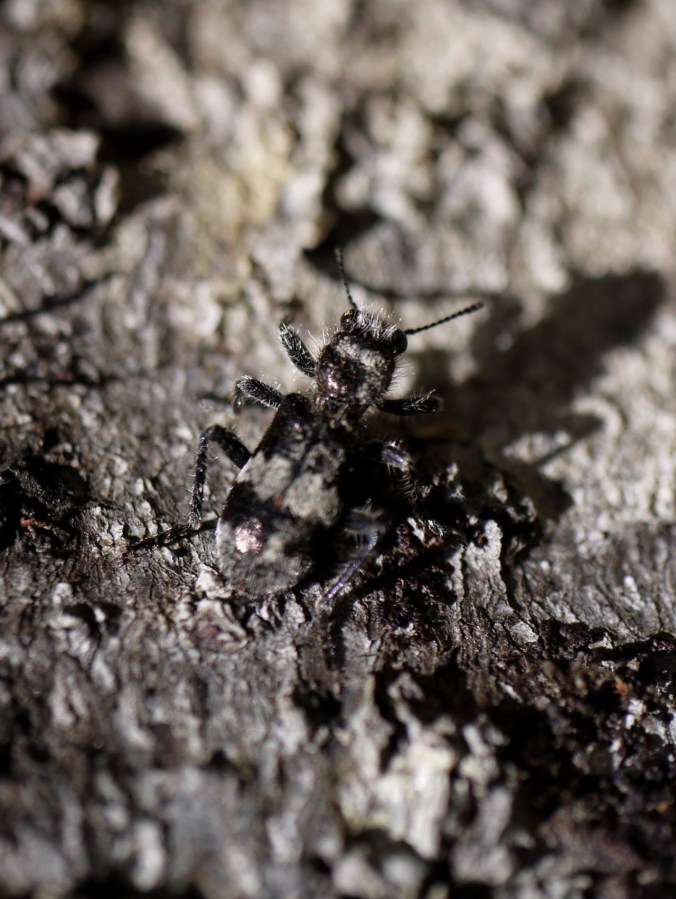
Enoclerus sphegeus “Red-bellied Clerid” Cleridae
Olympic National Park, Washington
June 2, 2013
Robert Niese
These little beetles have the unique habit of leaping off their trees and showing their bright red abdomens when threatened by predators (or my camera lens).
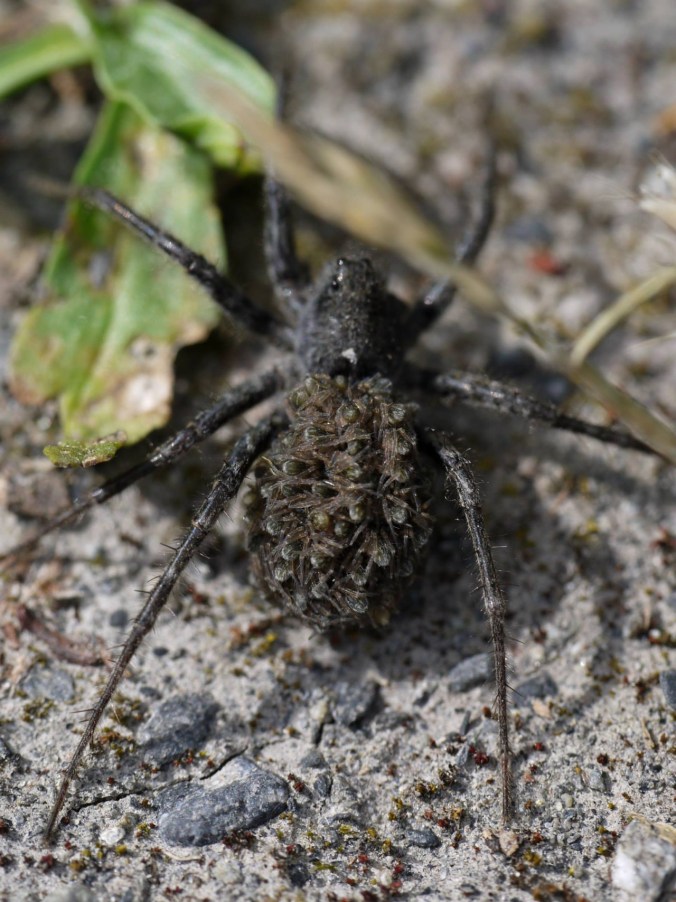
Pardosa sp. “Thin-legged Wolf Spider” Lycosidae, with young
Olympic National Park, WA
June 8, 2013
Robert Niese
Female wolf spiders spin an egg sac and attach it to their spinnerets, carrying around their
precious cargo until the spiderlings hatch and crawl onto her back. There, the babies will stay until they’re old enough to venture out into the world on their own.

Phyllophaga sp. “May Beetle” Scarabaeidae
Missoula, MT
May 18, 2014
Robert Niese
There are more than 400 species of Phyllophaga in the United States and Canada. Their identification requires an intimate investigation of… ahem… reproductive morphology, which is not something I’m dying to do today.
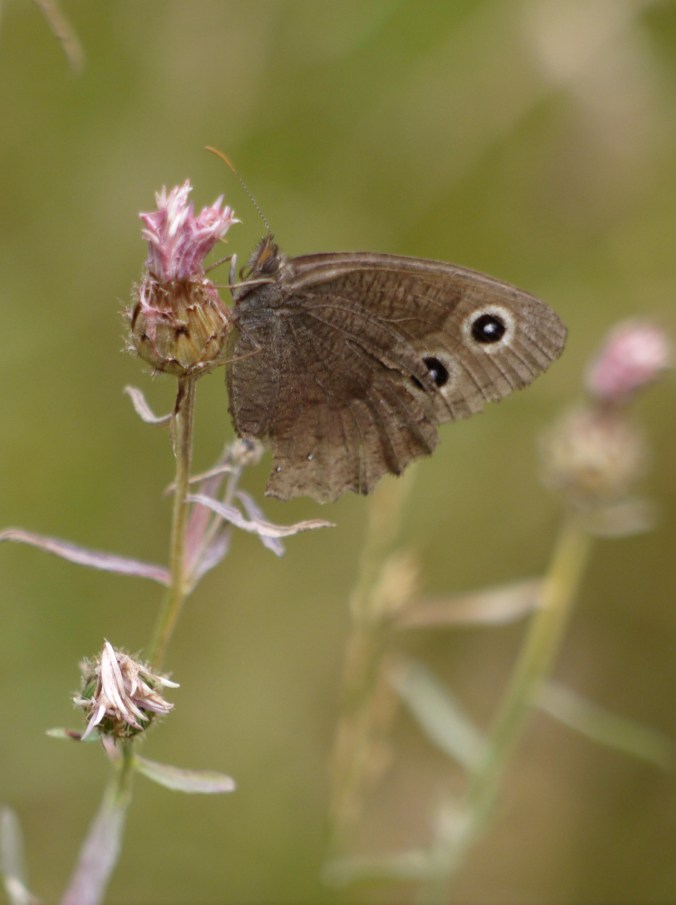
Cercyonis pegala ”Common Wood-nymph” Nymphalidae
Missoula,MT
September 2, 2013
Robert Niese
 Northwest Naturalist