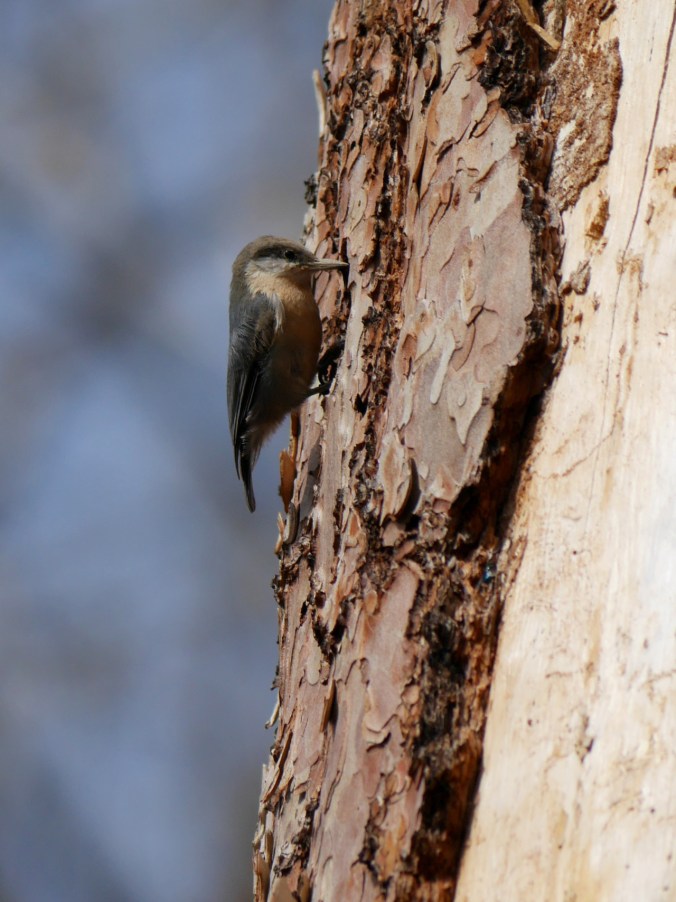
Pygmy Nuthatch (Sitta pygmaea) Sittidae

Council Grove State Park, MT
March 16, 2015
Robert Niese

There are three species of Nuthatch in the Pacific Northwest, but the Pygmy Nuthatch is the only one endemic to our region. These birds are only found in the Rockies and inland Pacific Northwest. They are particularly fond of old Ponderosa Pine forests.
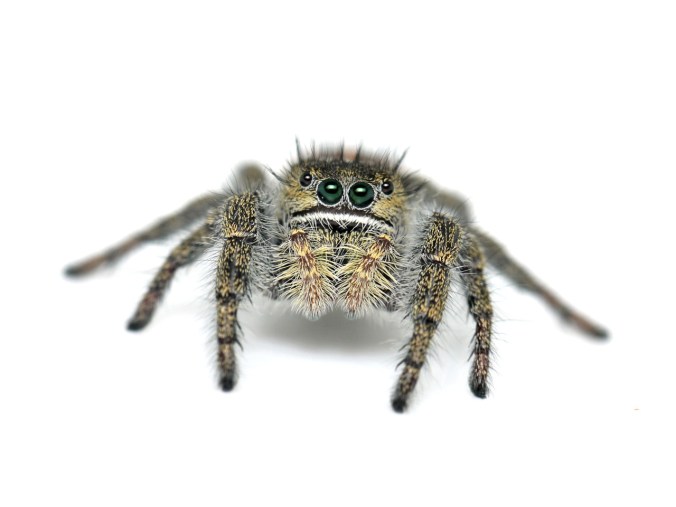
Phidippusclarus” Salticidae

Missoula, MT
September 17, 2014
Robert Niese

Phidippus jumpers are some of the largest jumping spiders in the world. Here in Montana, we have several red-backed species, all of which are about the size of a nickel. They are excellent house-guests and will rid your home of flies, roaches, and other mid-sized arthropods in a matter of days.

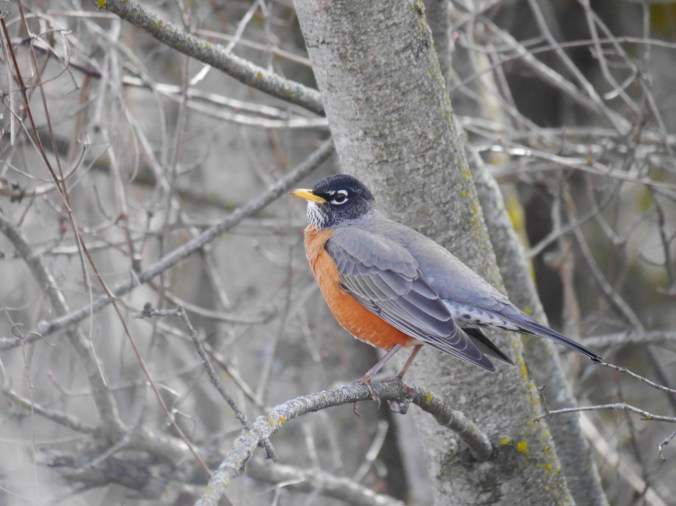
American Robin (Turdus migratorius) Turdidae  

Council Grove State Park, MT
March 16, 2015
Robert Niese

Although American Robins are one of North America’s most ubiquitous birds, there are a few things most people don’t know about these abundant creatures. For example, did you know that males and females show a slight dimorphism? Males tend to have blacker heads and redder breasts which females use as an indicator of the health of potential mates.

Apis mellifera “European Honeybee” Apidae 
on Ranunculus glaberrimus “Sagebrush Buttercup” Ranunculaceae

Council Grove State Park, MT
March 16, 2015
Robert Niese

It’s warming up here in Missoula and spring may have sprung early! The first Ranunculus glaberrimus flowers bloomed around town in early February which is several weeks earlier than previous years. Today was even warm enough to bring out a few species of bees like this European Honeybee.

Horned Grebe (Podiceps auritus) Podicipedidae

Tacoma, WA
January 16, 2013
Robert Niese

Horned and Eared Grebes can be difficult to tell apart. Horned Grebes tend to have clear cheeks, a flat-topped head, and a sleek rear. Eared Grebes usually have more black streaking on their cheeks, a small crest above their eye, and a cute fluffy rump.

Boltenia villosa “Hairy Sea Squirt” Ascidiacea

Fox Island, WA
June 23, 2013
Robert Niese

Hairy Sea Squirts are relatively common in the low intertidal here in the Northwest. On the rare occasion when the tide is exceptionally low and they are left exposed to the air, these tunicates will hold water inside their tunics to regulate their body temperature and oxygen consumption. With a gentle squeeze it becomes quite apparent why these odd critters are known as “sea squirts.”

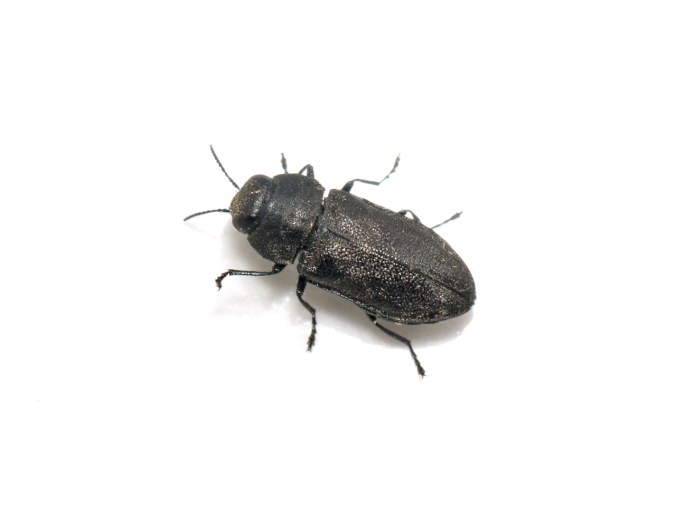
Anthaxia (Melanthaxia) Buprestidae

Glacier National Park, MT
June 23, 2014
Robert Niese

These tiny wood borers (9mm long) are found abundantly in flower heads throughout the summer here in Montana.

Ariolimax columbianus “Pacific Banana Slug” Gastropoda

Olympic National Park, WA
June 2, 2013
Robert Niese

This little banana slug escaped into a hole created by a beetle larva in order to escape the midday summer heat. What a cutie!

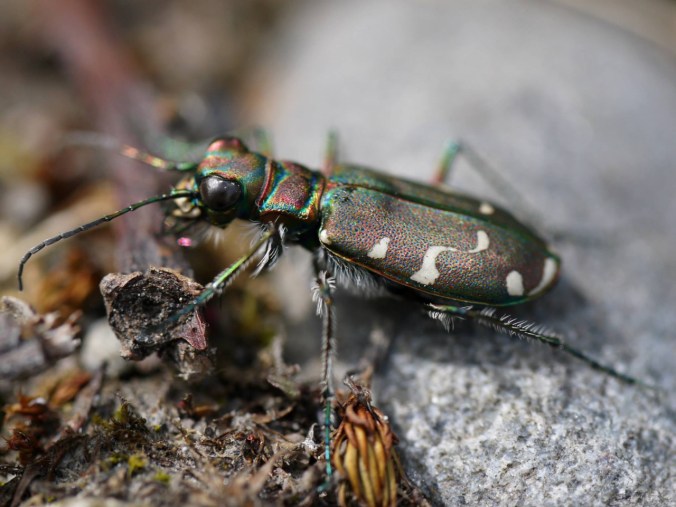
Cicindela oregona "Western Tiger Beetle" Carabidae

Olympic National Park, WA
June 6, 2013
Robert Niese

Look for these awesome predators on sandy river banks west of the Cascades. They are lightning fast and voracious hunters, but that doesn’t detract from the beauty of their iridescent exoskeleton!