Pollicipes polymerus “Gooseneck Barnacle” Cirripedia (Crustacea)

Seal Rock State Park, OR
June 11, 2015
Robert Niese

This species of Gooseneck Barnacle is the most common species of intertidal goosenecks in the PNW. In Portugal and Spain, their cousin P. pollicipes, is a common delicacy, but due to over-harvesting and coastline habitat destruction, the PNW now regularly exports this species to Europe. Check out Gordon Ramsey preparing a traditional, tapas-style barnacle recipe here. Also, this species is in direct competition for space and resources with California Mussels (Mytilus californianus) and will out-compete them in the absence of their primary predators, the Ochre Sea Star (Pisaster ochraceous) and the Glaucous-winged Gull (Larus glaucescens).
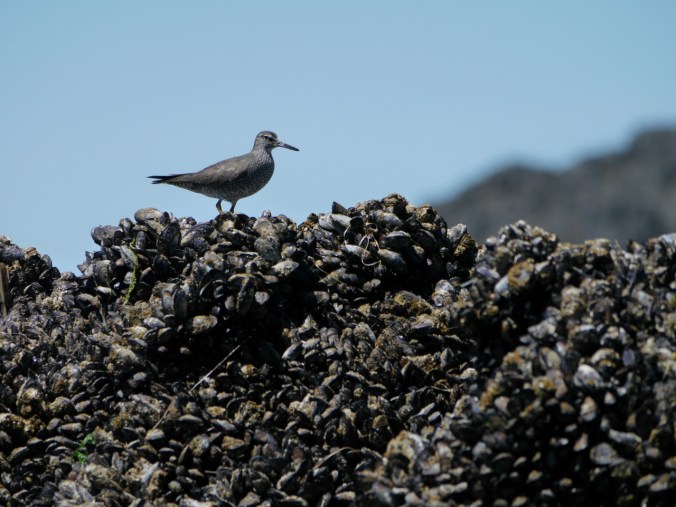
Wandering Tattler (Tringa incana) Scolopacidae

Seal Rock State Park, OR
June 11, 2015
Robert Niese

This Tattler was certainly wandering! It’s breeding season for most shorebirds this time of year, but this lone Wandering Tattler is hundreds of miles away from its typical breeding grounds in NE Russia, Alaska, and NW Canada. What’cha doing here, buddy?

Eleodes “Desert Stink Beetle” Tenebrionidae

Palouse Falls State Park, WA
June 8, 2015
Robert Niese

Stink beetles are very common throughout the sagebrush deserts of eastern Washington. The Tenebrionid family’s taxonomy is extremely complex and often requires an examination of female genitalia to identify an organism with any further specificity, but most of the large black species fall into this supergenus. This beetle is posed and ready to release nasty-smelling chemicals in response to my terrifying camera lens. 

Vanessa atalanta “Red Admiral” Nymphalidae

Palouse Falls State Park, WA
June 8, 2015
Robert Niese

This lovely Red Admiral sought refuge on this tree as the wind picked up at Palouse. This is an uncommon view of this species whose common name reflects its bright red markings on its upper surfaces. The Red Admiral also has red markings on its underwings, but keeps them hidden while attempting to camouflage itself as it is doing here.

Western Kingbird (Tyrannus verticalis) Tyrannidae

Palouse Falls State Park, WA
June 8, 2015
Robert Niese

Western Kingbirds are well deserving of the genus name Tyrannus because they are truly tyrannical terrors. Any bird that happens to wander too close to a kingbird nest (even fearsome ravens and falcons!) will immediately be assaulted by a flurry of feathers. I decided not to test their patience with human intruders. This guy did not seem too pleased to be my subject for a photo shoot in the first place.

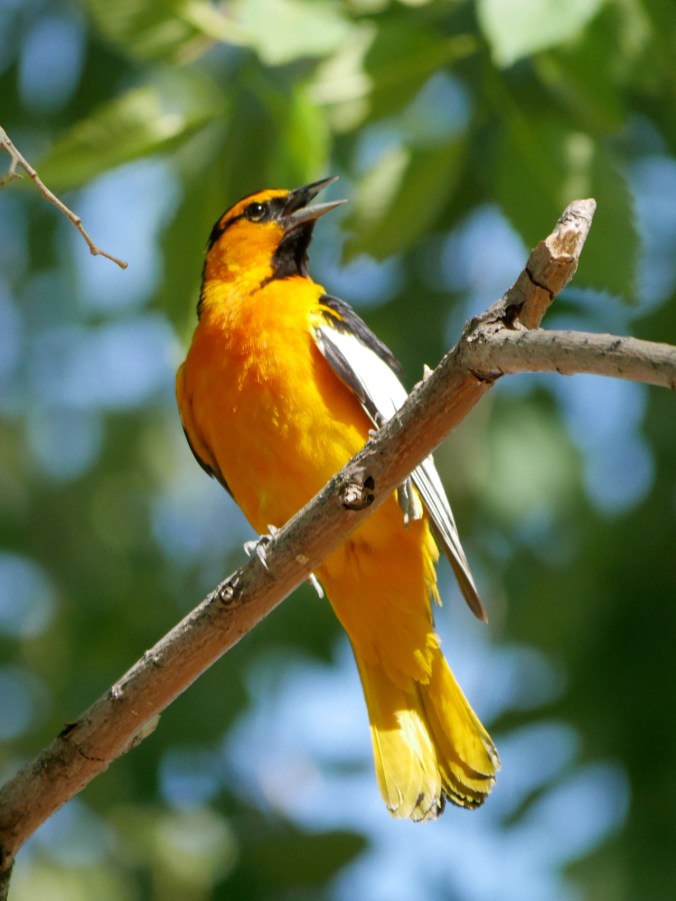
Bullock’s Oriole (Icterus bullockii) Icteridae, male

Palouse Falls State Park, WA
June 8, 2015
Robert Niese

Bullock’s Orioles are the only oriole species found in the Pacific Northwest. They are members of the “blackbird” family which includes a very large fraction of not-black species including the meadowlarks, oropendolas, bobolinks, and, of course, the orioles. Icterid blackbirds are not, however, related to the European Common Blackbird which is actually a robin, which are not related to European Robins which are actually chats, which are not related to Yellow-breasted Chats which are actually New World Warblers in the genus Icteria, which is not to be confused with the genus Icterus, because, as previously stated, orioles are blackbirds which are not robins which are not chats, which are not Yellow-breasted Chats which are New World Warblers, not blackbirds. More reasons to hate common names…

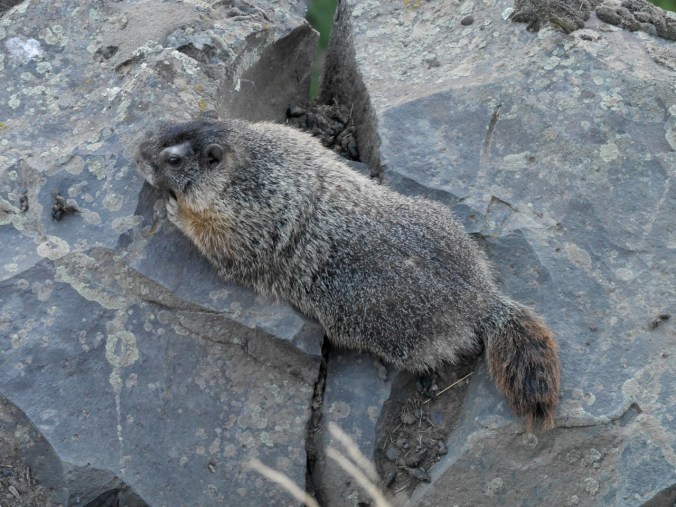
Marmota flaviventris “Yellow-bellied Marmot” Sciuridae

Palouse Falls State Park, WA
June 8, 2015
Robert Niese

Yellow-bellied Marmots are some of the largest rodents in North America. They are a member of the squirrel family, and have a plethora of common names including “whistle pigs,” “wood chucks,” “rock chucks,” and “ground hogs.” Ugh, this is why I hate common names.

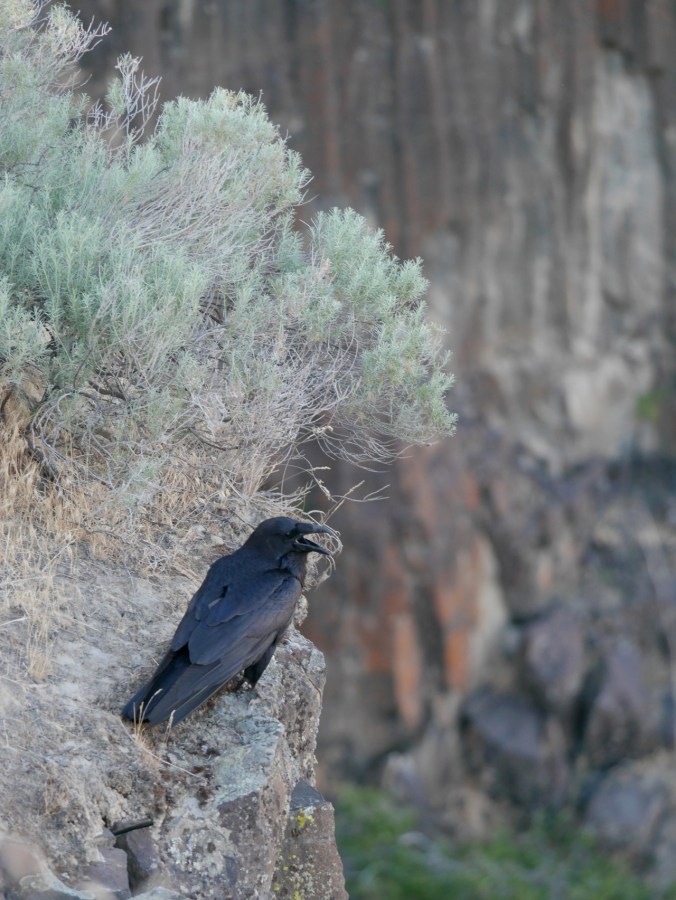
Common Raven (Corvus corax) Corvidae

Palouse Falls State Park, WA
June 8, 2015
Robert Niese

Ravens are always the first birds to greet me upon reaching the sagebrush deserts of eastern Washington. 

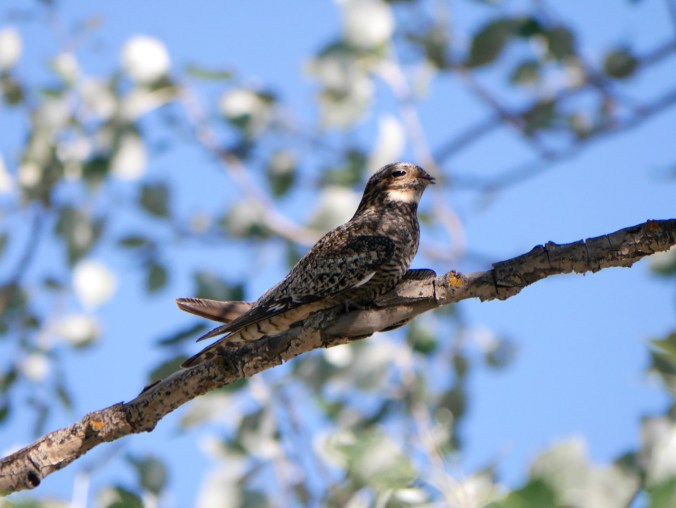
Common Nighthawk (Chordeiles minor) Caprimulgidae

Palouse Falls State Park, WA
June 8, 2015
Robert Niese

Nighthawks are neither hawks nor are they nocturnal. They are more closely related to swifts and hummingbirds than to hawks, and they tend to be more crepuscular (active at dawn and dusk) than nocturnal. They are most easily observed while hunting insects over bodies of water. Look for their characteristic dihedral (v-shaped) wings and listen for their calls. This was the first time I had ever seen a nighthawk perched! So cute!

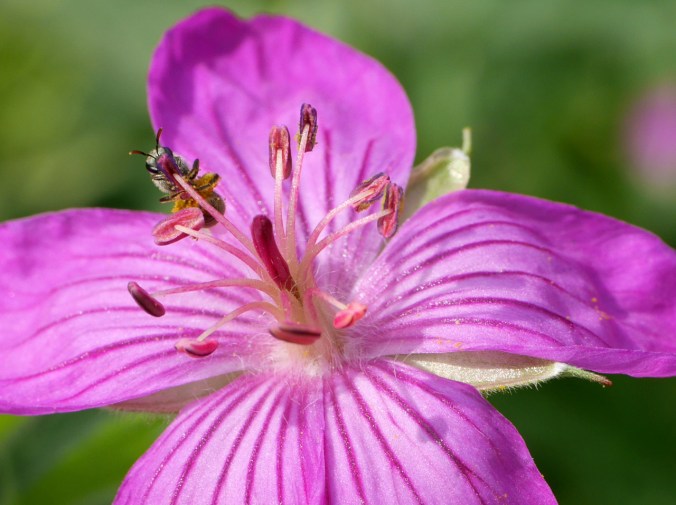
Halictus sp. “Sweat Bee” Halictidae on
Geranium viscosissimum “Sticky Geranium” Geraniaceae

Drinking Horse Mountain, Bozeman, MT
June 3, 2015
Robert Niese

Sticky Geranium, as its name would suggest, is covered in tiny glandular hairs that are quite sticky to the touch. Some have suggested that these sticky glands are capable of capturing and digesting small orgnanisms, making the plant slightly carnivorous. It grows in meadows, Ponderosa Pinelands, and at the edge of sagebrush-steppe habitats throughout the PNW.