
Aphrophora permutata “Douglas Fir Spittlebug” Cercopidae
Missoula, MT
September 14, 2013
Robert Niese
Aphrophora permutata “Douglas Fir Spittlebug” Cercopidae
Missoula, MT
September 14, 2013
Robert Niese

Mantis religiosa “European Mantis” Mantidae
Woodinville, WA
August 13, 2013
Robert Niese
Native mantids are exceedingly rare in Washington, but that doesn’t make the introduced and abundant European Mantis any less photogenic. If you’re interested in finding natives, try scouring sagebrush habitats in central Washington for Litaneutria, a small gray ground mantis.
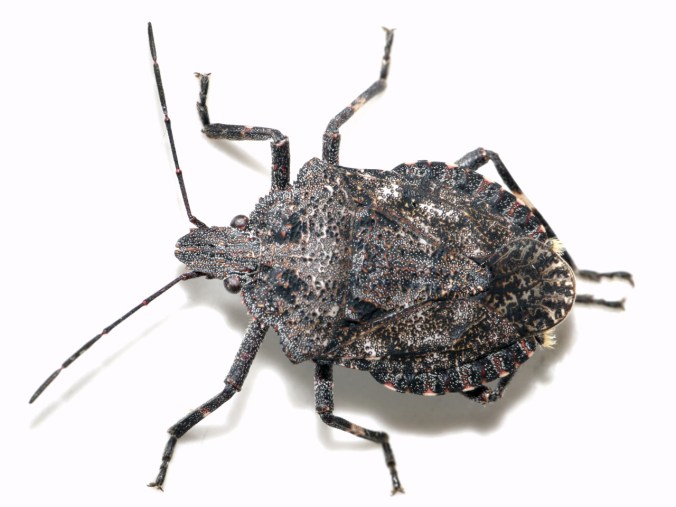
Brochymena affinis “Pacific Northwest Rough Stink Bug” Pentatomidae
Missoula, MT
September 14, 2013
Robert Niese

Pentidotea (Idotea) wosnesenskii “Kelp Isopod” Isopoda
Olympic National Park, WA
June 1, 2013
Robert Niese
This is an abundant intertidal crustacean that feasts on algae growing among mussel and barnacle beds throughout northern Pacific rocky coastlines. They range in color from purple to red to brown to green, depending on their current algae diet.

Cercyonis pegala "Common Wood-nymph" Nymphalidae
Missoula,MT
September 2, 2013
Robert Niese

Sinodendron rugosum “Rugose Stag Beetle” Lucanidae
Tacoma, WA
July 2, 2013
Robert Niese
This adorable stag beetle is the only member of its genus found in North America. It is also commonly consumed by the endangered Spotted Owl.
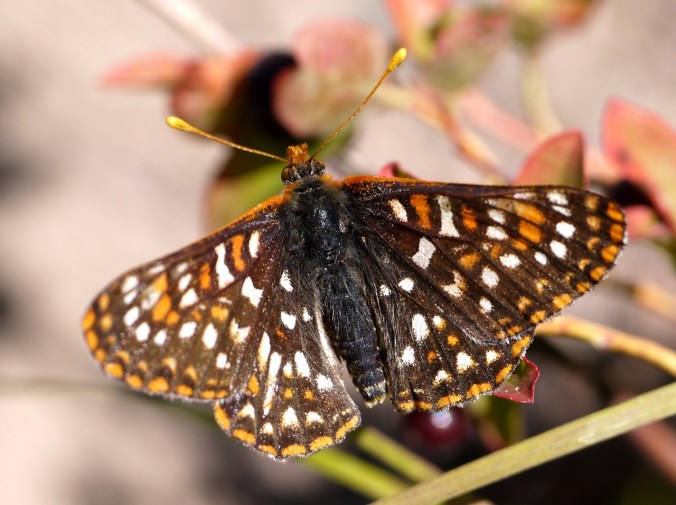
Euphydryas editha "Edith’s Checkerspot" Nymphalidae
Seeley Lake, MT
July 26, 2014
Robert Niese
The caterpillars of this species will hibernate overwinter and can do so for many years before metamorphosing into adults.
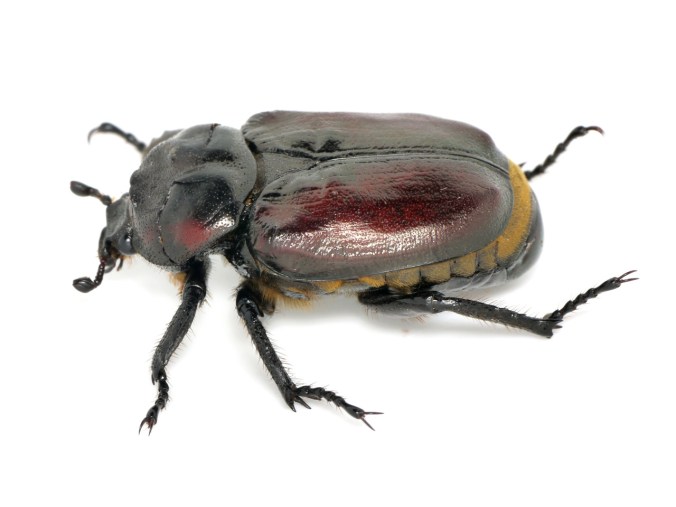
Osmoderma subplanata “Leather Beetle” Scarabaeidae
Missoula, MT
July 30, 2014
Robert Niese
These large (3 cm), circumboreal beetles get their name from the leathery odors they emit from their exoskeleton (Osmo- means smelly, derma means skin). Adults spend most of their lives feeding on the decaying centers of fallen logs.
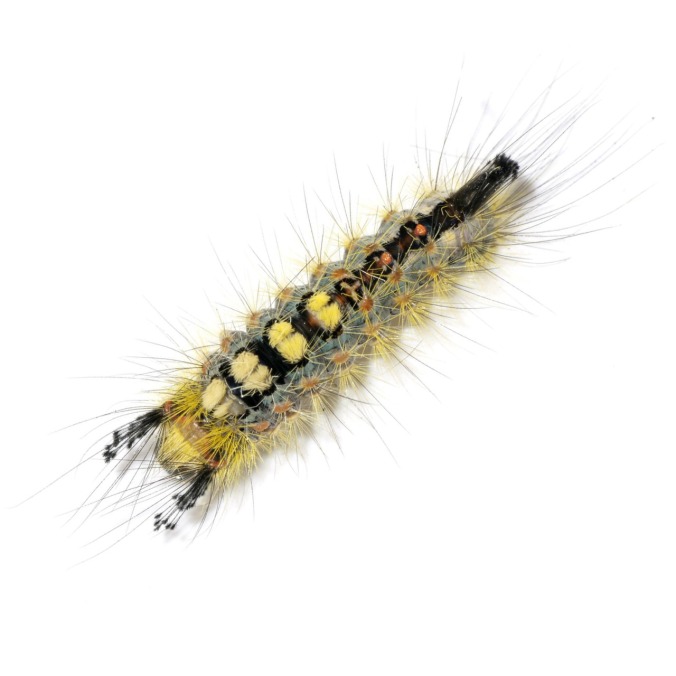
Orgyia antiqua “Rusty Tussock Moth” caterpillar Lymantriidae (now Lymantriinae)
Tacoma, WA
July 12, 2013
Robert Niese
This species is widely dispersed throughout both hardwood and coniferous forests in North America. Here in the Pacific Northwest, it tends to be restricted to moist, low elevation forests west of the Cascades. The caterpillars of this species are generalists and can eat both conifers and flowering plants.
Fun fact: female tussock moths are flightless and lay their eggs en masse on their cocoon. In order to disperse into the wide world beyond the cocoon they’re born on, freshly-hatched larvae will balloon away on the wind.
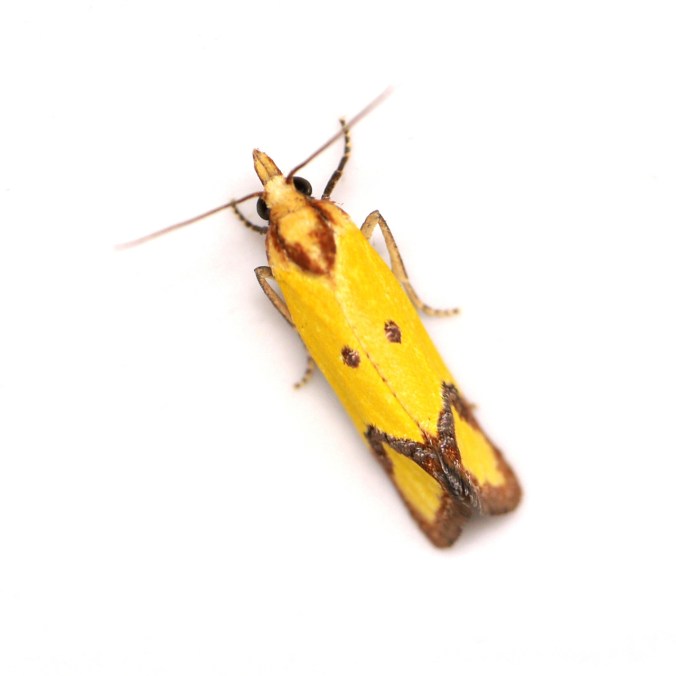
Agapeta zoegana “Sulphur Knapweed Moth” Tortricidae
August 14, 2014
Missoula, MT
Robert Niese
These diminutive moths (10mm in length) are obligate parasites of our invasive knapweed (Centaurea maculosa) and were introduced in 1984 as a potential biological control agent.
 Northwest Naturalist