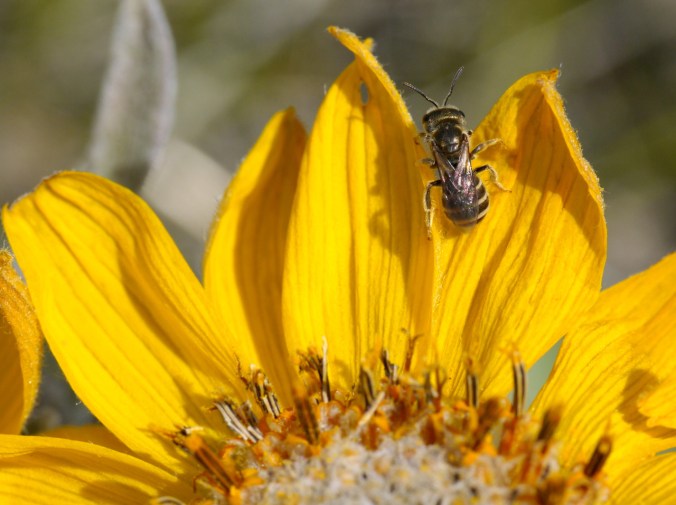
Halictus (Seladonia) tripartitus “Sweat Bee” Halictidae
on Balsamorhiza sagittata “Arrowleaf Balsamroot” Asteraceae

Missoula, MT
May 13, 2014
Robert Niese

Another species of small Sweat Bee in the genus Halictus. If you’re interested in attempting to identify these bees with a dichotomous key (there are only 10 species in the Northwest, so it’s not too difficult!), check this one out here. Once you learn more about these little guys, you start noticing them everywhere!
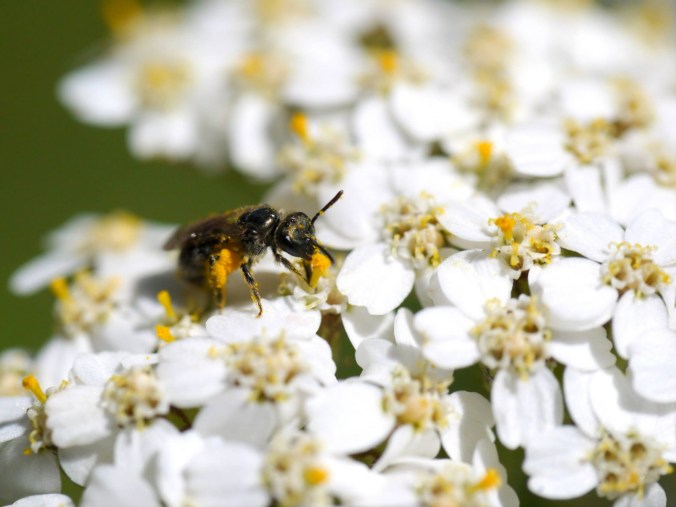
Lasioglossum (Subgenus Dialictus) “Sweat Bee” Halictidae
on Achillea millefolium “Yarrow” Asteraceae

Tacoma, WA
July 6, 2013
Robert Niese

These bees are notoriously difficult to identify. There are more than 290 species in the US and Canada and approximately 1700 species worldwide. Most Sweat Bees (family Halictidae) in our area fall into this mega-Genus. Look for them anywhere and anytime there are flowers blooming. You’re bound to see at least a half dozen species of Halictids on any given summer day!

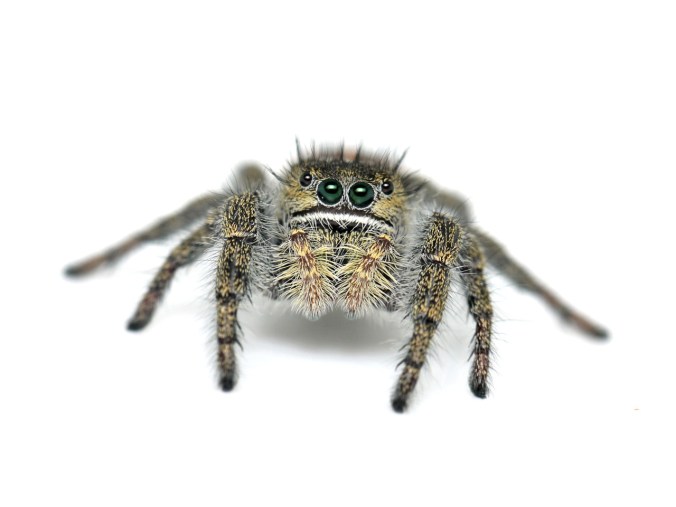
Phidippusclarus” Salticidae

Missoula, MT
September 17, 2014
Robert Niese

Phidippus jumpers are some of the largest jumping spiders in the world. Here in Montana, we have several red-backed species, all of which are about the size of a nickel. They are excellent house-guests and will rid your home of flies, roaches, and other mid-sized arthropods in a matter of days.

Apis mellifera “European Honeybee” Apidae 
on Ranunculus glaberrimus “Sagebrush Buttercup” Ranunculaceae

Council Grove State Park, MT
March 16, 2015
Robert Niese

It’s warming up here in Missoula and spring may have sprung early! The first Ranunculus glaberrimus flowers bloomed around town in early February which is several weeks earlier than previous years. Today was even warm enough to bring out a few species of bees like this European Honeybee.

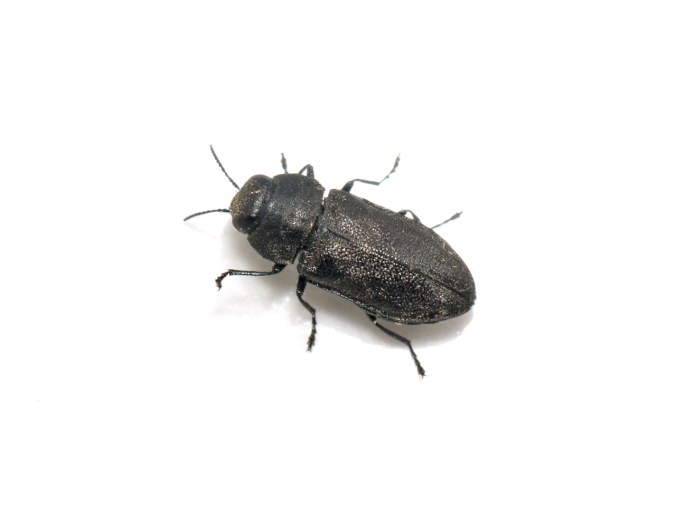
Anthaxia (Melanthaxia) Buprestidae

Glacier National Park, MT
June 23, 2014
Robert Niese

These tiny wood borers (9mm long) are found abundantly in flower heads throughout the summer here in Montana.

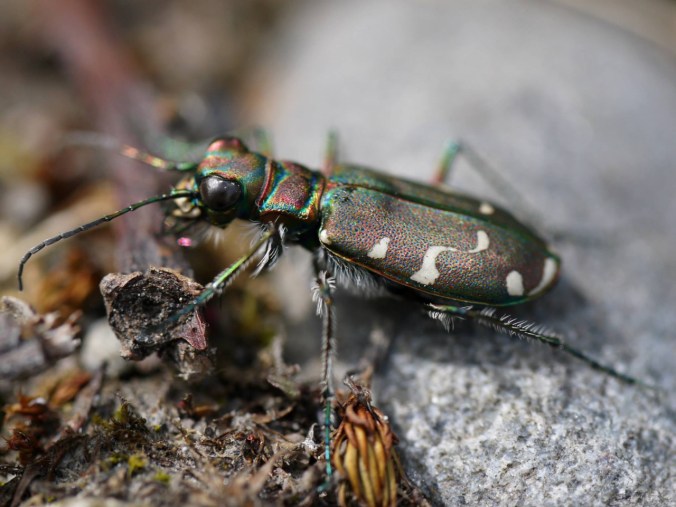
Cicindela oregona "Western Tiger Beetle" Carabidae

Olympic National Park, WA
June 6, 2013
Robert Niese

Look for these awesome predators on sandy river banks west of the Cascades. They are lightning fast and voracious hunters, but that doesn’t detract from the beauty of their iridescent exoskeleton!

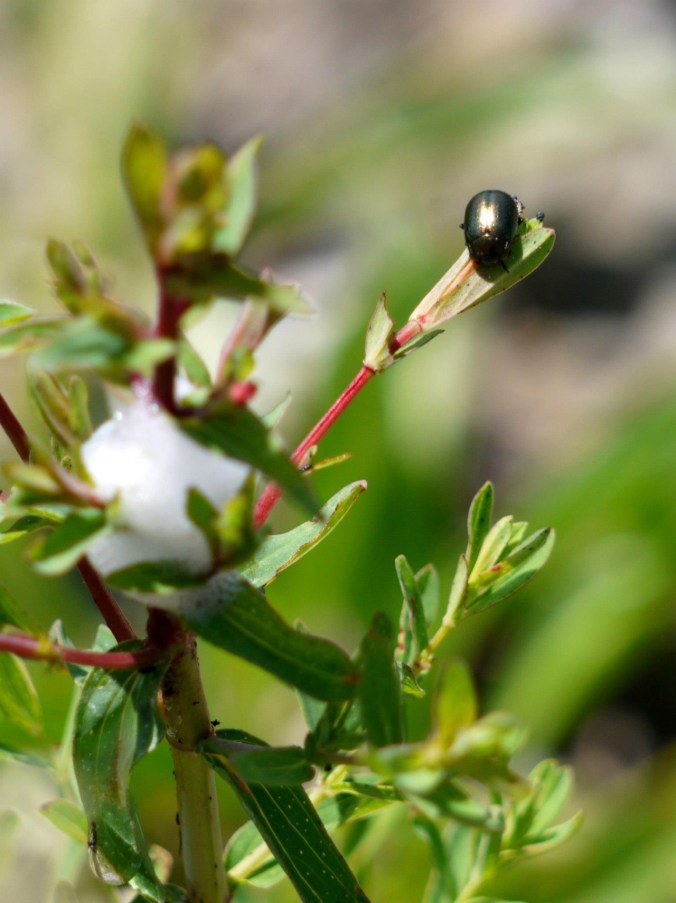
Chrysolina hyperici “St. Johnswort Beetle” Chrysomelidae

Joint Base Lewis-McChord, WA
May 2013
Robert Niese

In the late 1940s these beetles were introduced to California to control the spread of the weed St. Johnswort (Hypericum perforatum). The introduction of the beetles was so successful that the state erected a monument commemorating their success in Eureka, CA.

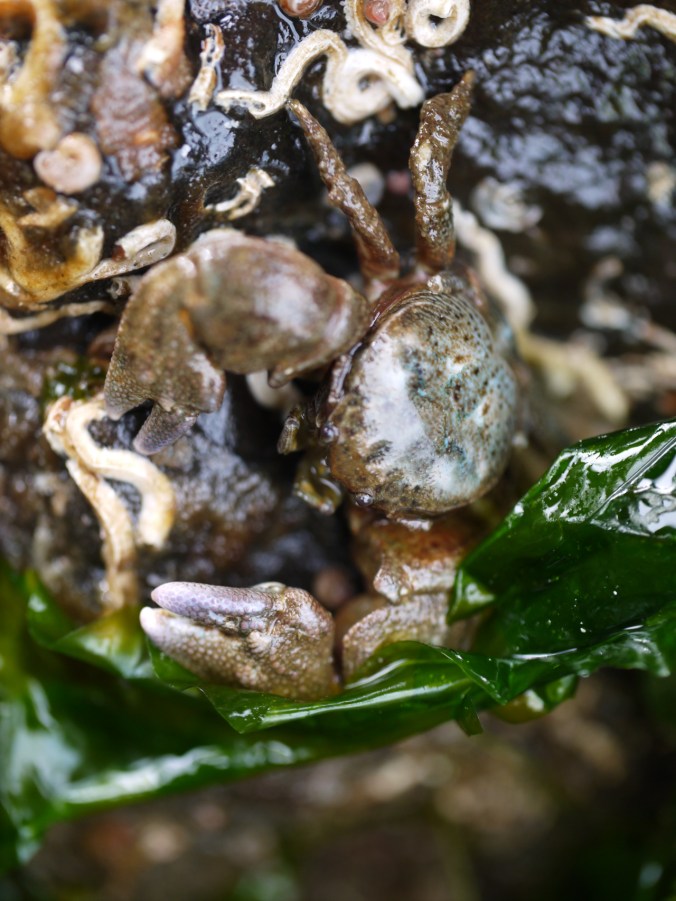
Pachycheles rudis “Thick-clawed Porcelain Crab” Decapoda

Fox Island, WA
June 23, 2013
Robert Niese

Porcelain crabs are not actually “true crabs” and are a remarkable example of convergent evolution in the Decopod order. In fact, crab-like forms have evolved so many times within the crustacean clade that evolutionary biologists have given this type of convergent evolution its own name: carcinization. Porcelain crabs are more closely related to hermit crabs and squat lobsters than they are to a typical Cancer crab.

Limenitis lorquini “Lorquin’s Admiral” Nymphalidae

Mount Rainier National Park, WA
August 12, 2013
Robert Niese

These butterflies will aggressively defend their feeding sites throughout the summer, chasing off rival males as well as other intruding insects and even hummingbirds.