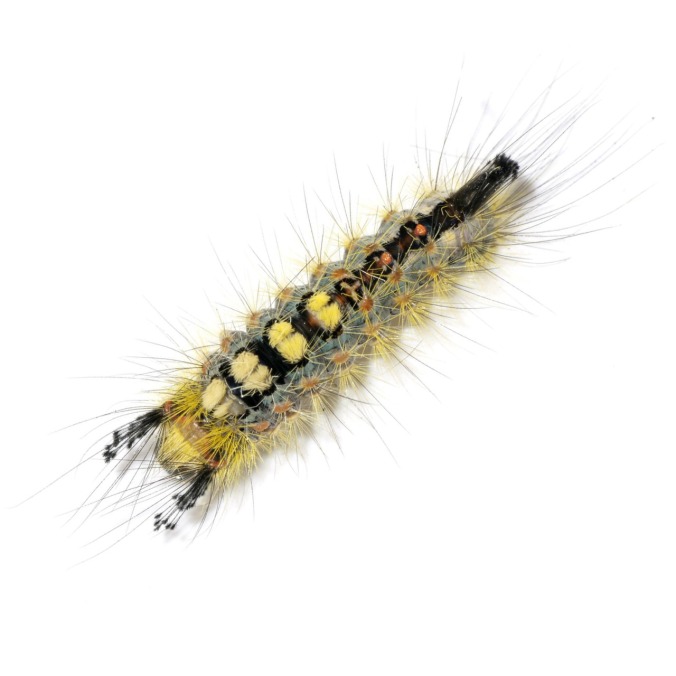
Orgyia antiqua “Rusty Tussock Moth” caterpillar Lymantriidae (now Lymantriinae)

Tacoma, WA
July 12, 2013
Robert Niese

This species is widely dispersed throughout both hardwood and coniferous forests in North America. Here in the Pacific Northwest, it tends to be restricted to moist, low elevation forests west of the Cascades. The caterpillars of this species are generalists and can eat both conifers and flowering plants.
Fun fact: female tussock moths are flightless and lay their eggs en masse on their cocoon. In order to disperse into the wide world beyond the cocoon they’re born on, freshly-hatched larvae will balloon away on the wind.
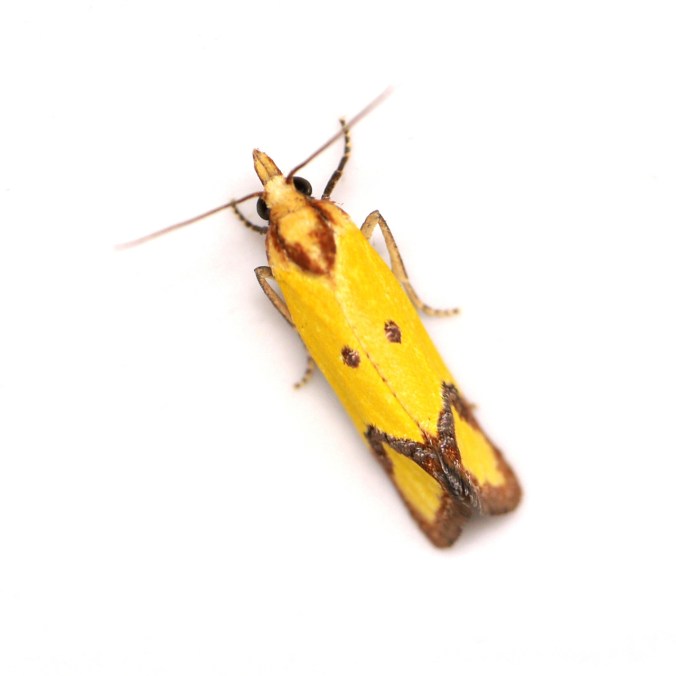
Agapeta zoegana “Sulphur Knapweed Moth” Tortricidae

August 14, 2014
Missoula, MT
Robert Niese

These diminutive moths (10mm in length) are obligate parasites of our invasive knapweed (Centaurea maculosa) and were introduced in 1984 as a potential biological control agent.

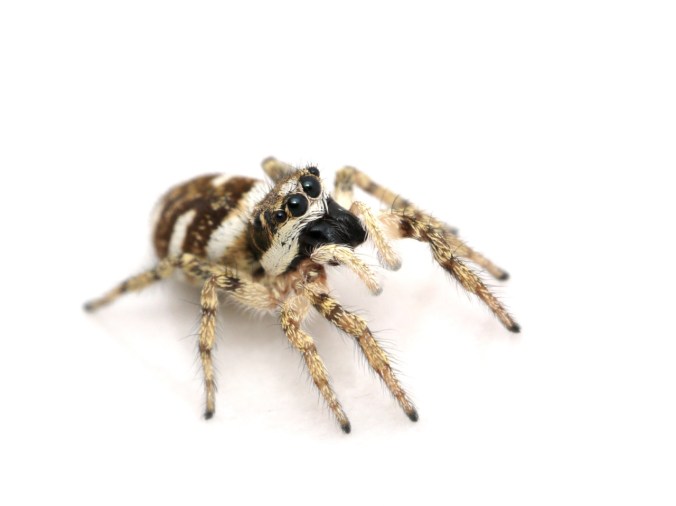
Salticus scenicus “Zebra Jumping Spider” Salticidae (female)

Missoula, MT
June 26, 2014
Robert Niese

This abundant, charismatic jumping spider was introduced to the US from Europe, but can now be found throughout most of the North American continent.

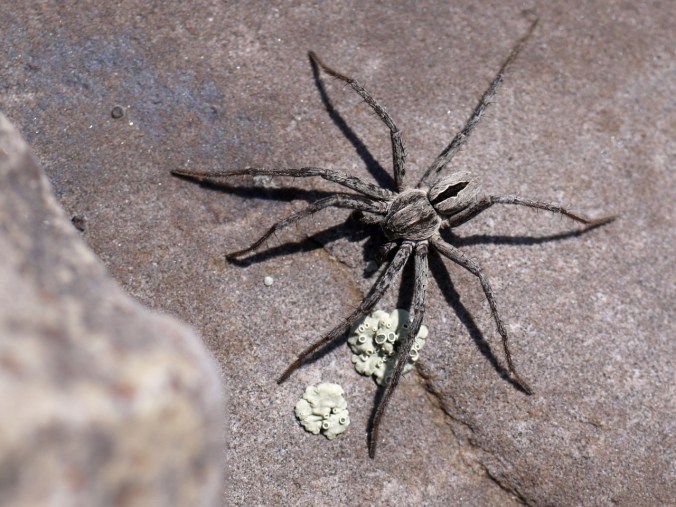
Thanatus formicinus Philodromidae

Missoula, MT
May 13, 2014
Robert Niese

Thanatus formicinus literally translates to “ant-like death spider.” Fortunately, these large, agile spiders do not live up to their names and are completely incapable of killing anything larger than a nickel. Look for them along dry, rocky river beds or open talus slopes.

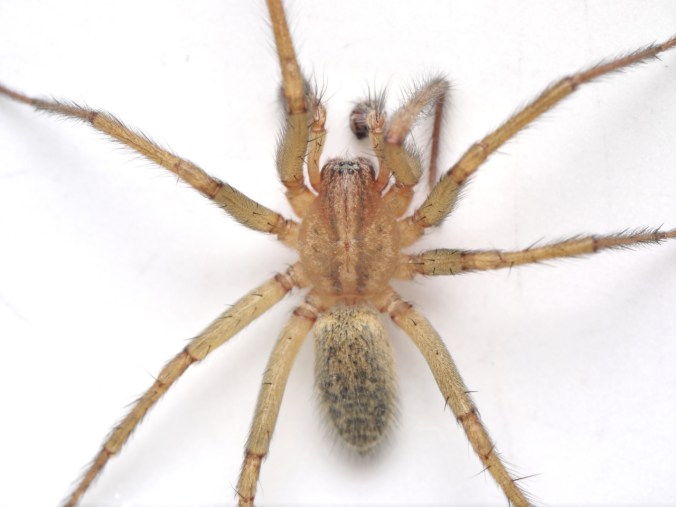
Tegenaria agrestis ”Hobo spider” Agelenidae (male)

Missoula, MT
September 19, 2013
Robert Niese

The “Hobo Spider” is one of the most unjustly detested house spiders in North America. Like all spiders, Tegenaria are venomous and can bite, but rarely will they do so. Perhaps due to their impressive skittering speed or diurnal nature, their species epithet, agrestis, is often assumed to mean “aggressive.” In Latin, however, agrestis actually means rural, and these spiders would much rather run away from you, than bite your finger.

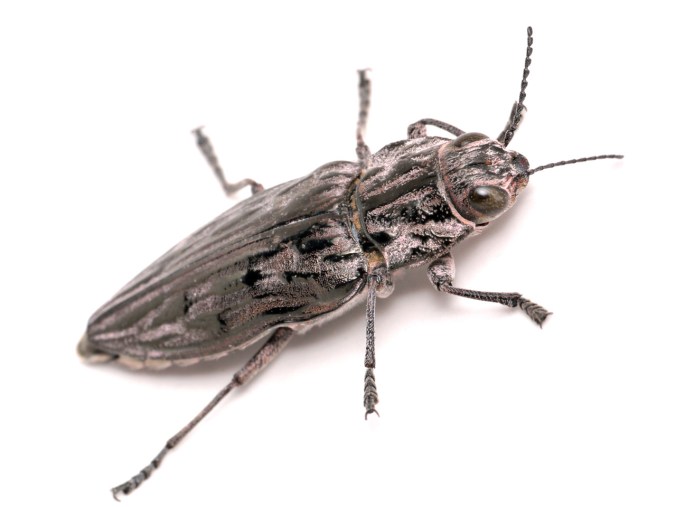
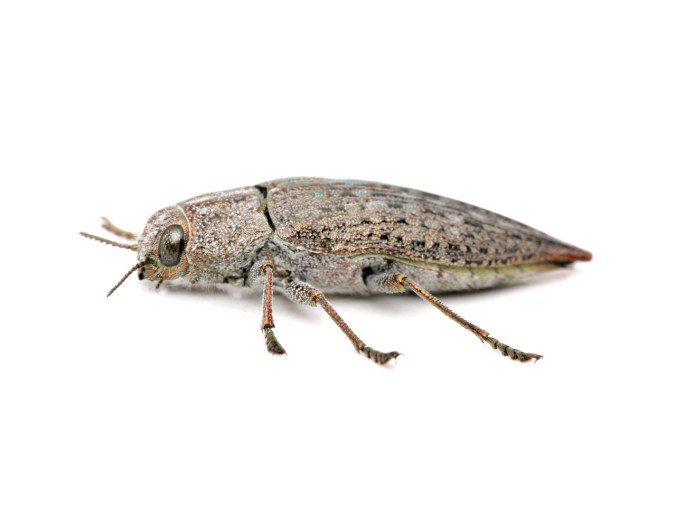
Chalcophora angulicollis “Western Sculpted Pine Borer” Buprestidae

Missoula, MT
July 10, 2014
Robert Niese

I found these massive woodborers in abundance (even on campus here at the U of MT) for a few weeks between late June and early July. They’re especially easy to identify in flight. Just listen for the miniature helicopter.

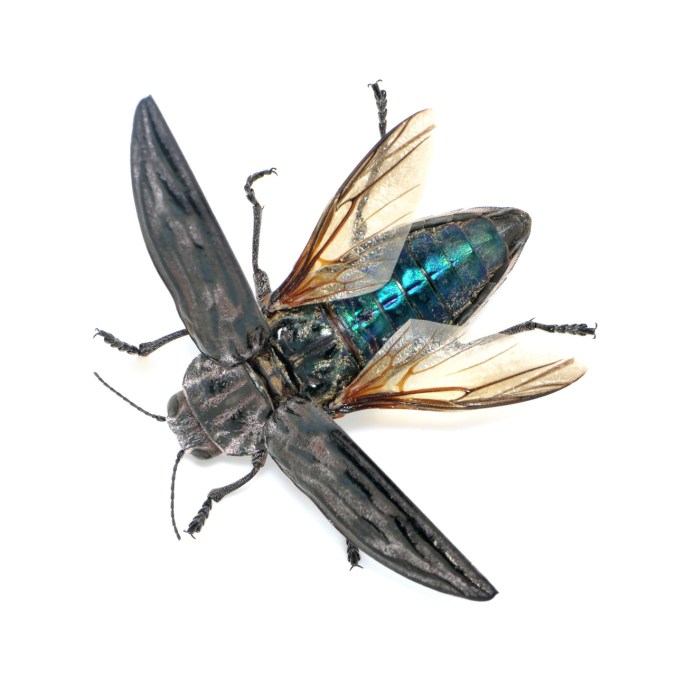
Chalcophora angulicollis “Western Sculpted Pine Borer” Buprestidae

Missoula, MT
July 10, 2014
Robert Niese

I found these massive woodborers in abundance (even on campus here at the U of MT) for a few weeks between late June and early July. They’re especially easy to identify in flight. Just listen for the miniature helicopter.

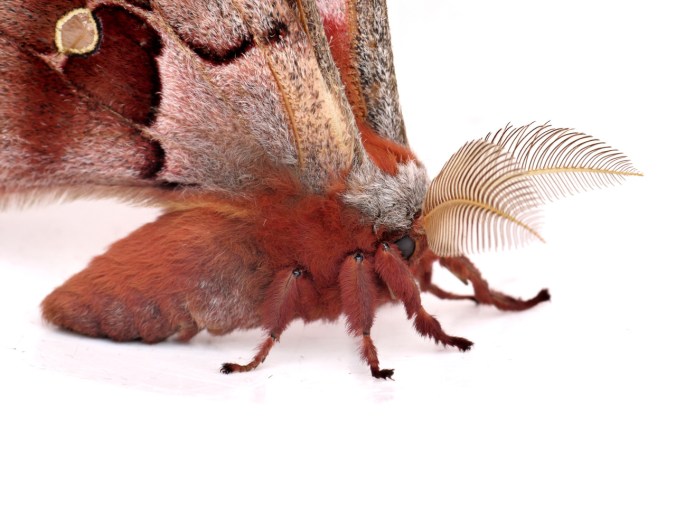
Antheraea polyphemus “Polyphemus Moth” Saturniidae (male)

Missoula, MT
June 11, 2014
Robert Niese

Surprisingly, I found this enormous moth (15 cm wingspan!) in a parking lot on my way into work on the University of Montana campus.

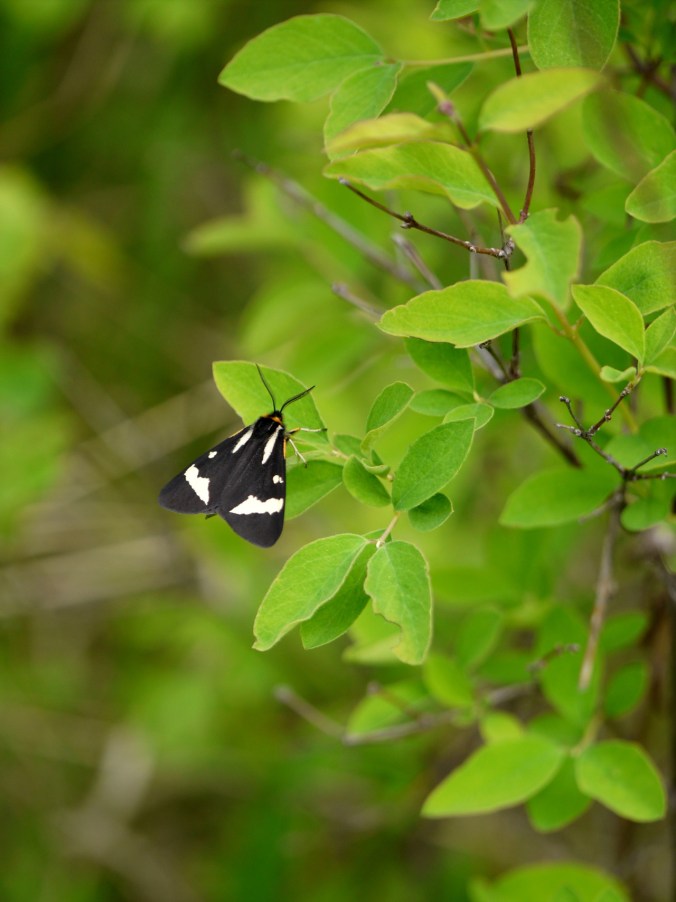
Parasemia plantaginis “Wood Tiger Moth” Arctiidae (now Erebidae)

Missoula, MT
June 15, 2014
Robert Niese

This common, variably-patterned tiger moth is a dayflier and often seen in the moist valleys around Missoula during our peak hiking season. It has a circumboreal distribution, but is the only member of its genus in our area.