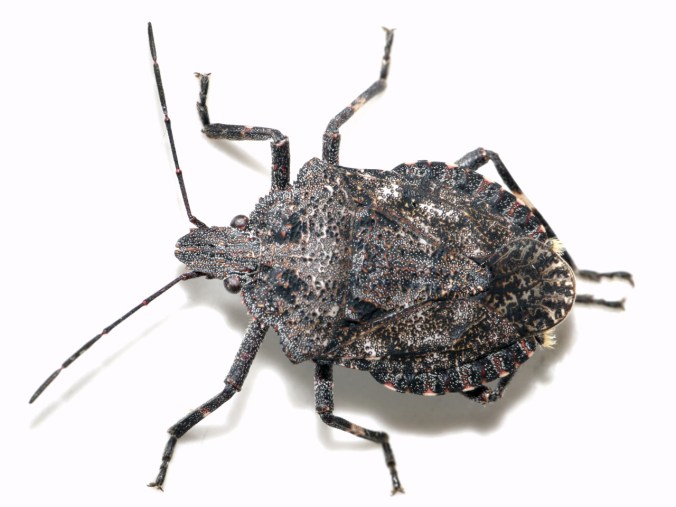
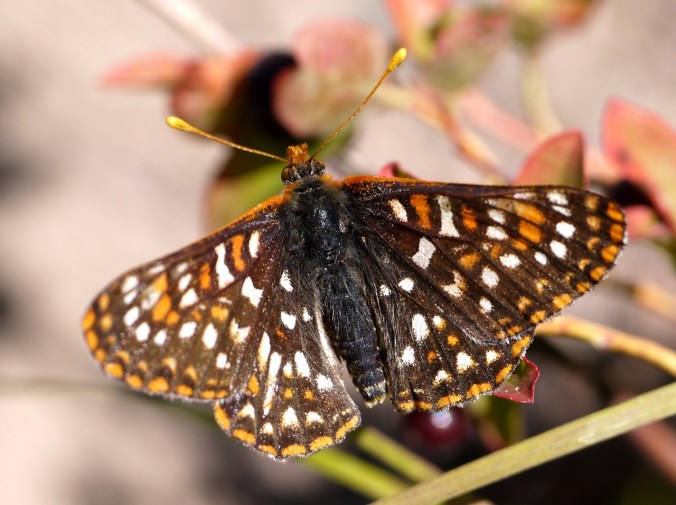
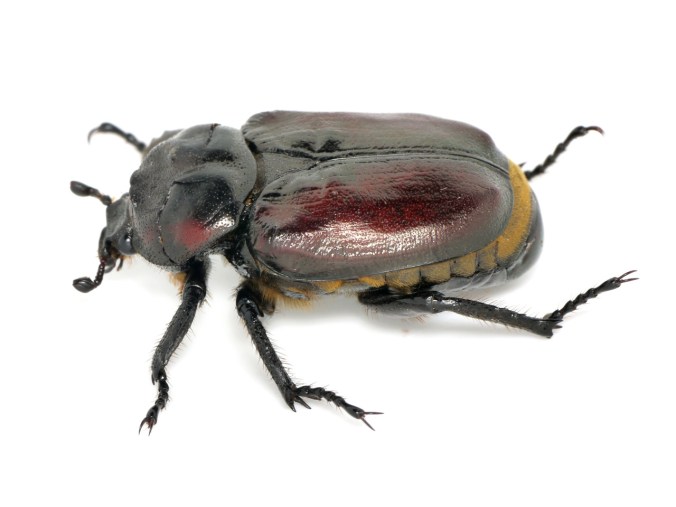
Phidippus “clarus” Salticidae

Missoula, MT
September 17, 2014
Robert Niese

Phidippus jumpers are some of the largest jumping spiders in the world. Here in Montana, we have several red-backed species, all of which are about the size of a nickel. They are excellent house-guests and will rid your home of flies, roaches, and other mid-sized arthropods in a matter of days.
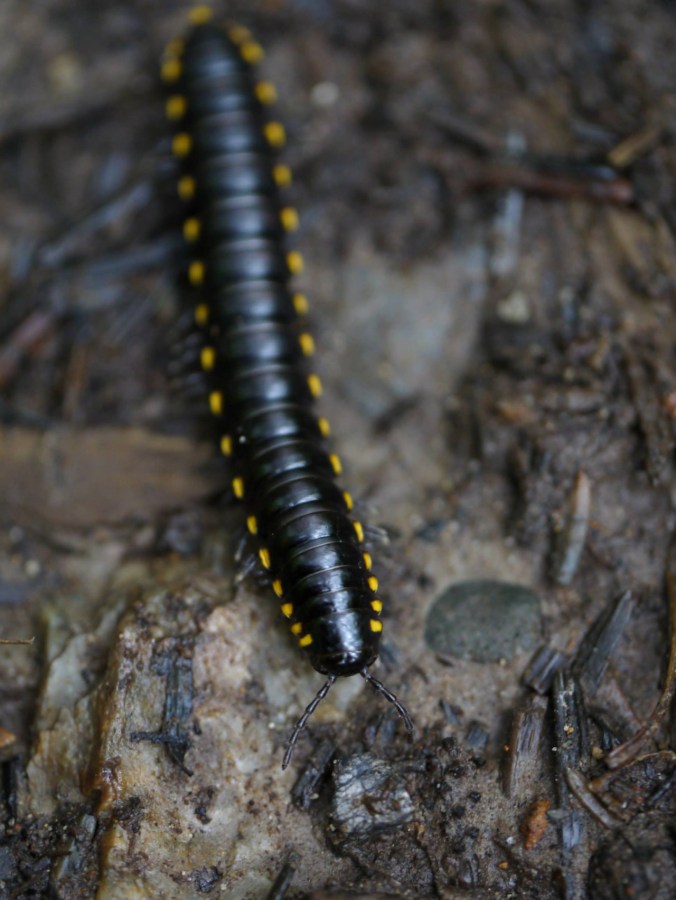
Harpaphe haydeniana “Yellow-spotted Millipede” Diplopoda

Olympic National Park, WA
June 4, 2013
Robert Niese

This adorable PNW millipede is a common denizen of nearly all moist coniferous forests from Alaska to California. It is also known as the “Almond-scented Millipede” due to the odors it produces when disturbed (hydrogen cyanide smells like almonds, apparently). But don’t worry, these little guys cant hurt you (just don’t eat it!). In fact, they are an exceptional critter to handle and explore with your young naturalists-in-training.

Mantis religiosa “European Mantis” Mantidae

Woodinville, WA
August 13, 2013
Robert Niese

Native mantids are exceedingly rare in Washington, but that doesn’t make the introduced and abundant European Mantis any less photogenic. If you’re interested in finding natives, try scouring sagebrush habitats in central Washington for Litaneutria, a small gray ground mantis.

Pentidotea (Idotea) wosnesenskii “Kelp Isopod” Isopoda

Olympic National Park, WA
June 1, 2013
Robert Niese

This is an abundant intertidal crustacean that feasts on algae growing among mussel and barnacle beds throughout northern Pacific rocky coastlines. They range in color from purple to red to brown to green, depending on their current algae diet.

Sinodendron rugosum “Rugose Stag Beetle” Lucanidae

Tacoma, WA
July 2, 2013
Robert Niese

This adorable stag beetle is the only member of its genus found in North America. It is also commonly consumed by the endangered Spotted Owl.

Euphydryas editha "Edith’s Checkerspot" Nymphalidae

Seeley Lake, MT
July 26, 2014
Robert Niese

The caterpillars of this species will hibernate overwinter and can do so for many years before metamorphosing into adults. 

Osmoderma subplanata “Leather Beetle” Scarabaeidae

Missoula, MT
July 30, 2014
Robert Niese

These large (3 cm), circumboreal beetles get their name from the leathery odors they emit from their exoskeleton (Osmo- means smelly, derma means skin). Adults spend most of their lives feeding on the decaying centers of fallen logs.