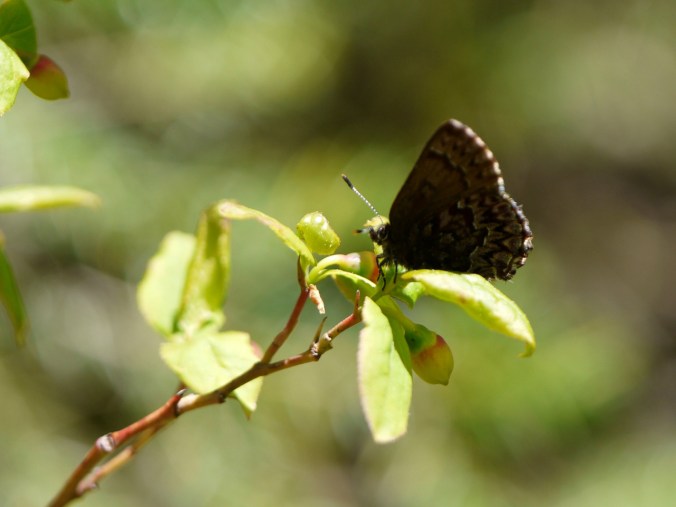
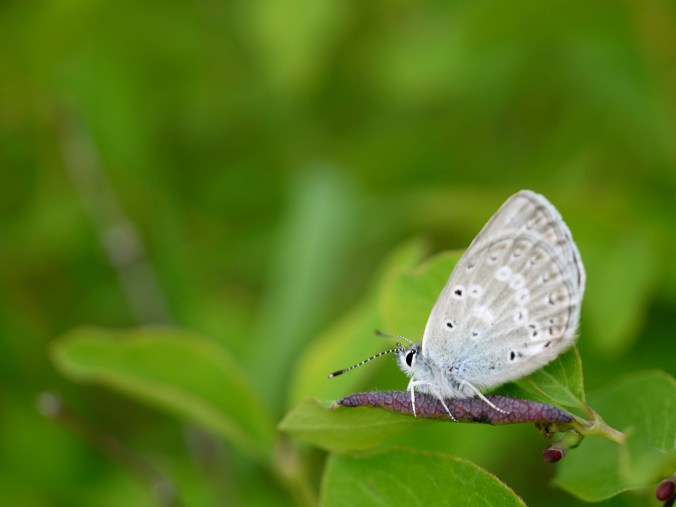
Anoplius sp. “Blue-black Spider Wasps” Pompilidae

Missoula, MT
June 29, 2014
Robert Niese

These lovely wasps are vicious spider hunters and have an absolutely gruesome life cycle. Instead of immediately killing their quarry, females paralyze the spider with a sting, and drag it down into a burrow. There, the female will lay eggs inside the spider, where her young will hatch and feed on the poor arachnid from the inside-out. Interestingly, spider wasps are nectivorous and lose their hunger for arachnid flesh at adulthood.
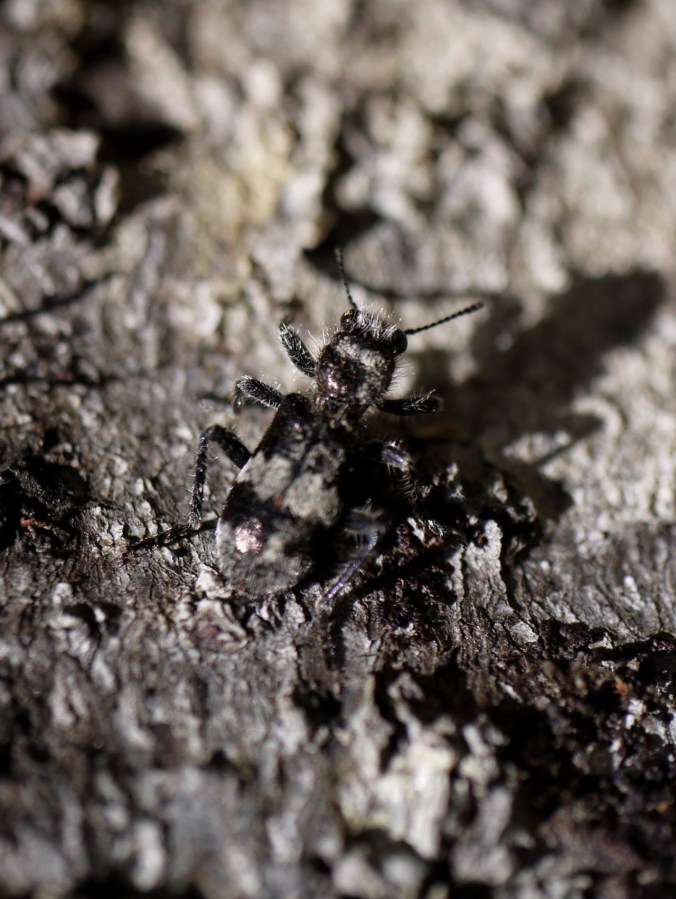
Enoclerus sphegeus “Red-bellied Clerid” Cleridae

Olympic National Park, Washington
June 2, 2013
Robert Niese

These little beetles have the unique habit of leaping off their trees and showing their bright red abdomens when threatened by predators (or my camera lens).

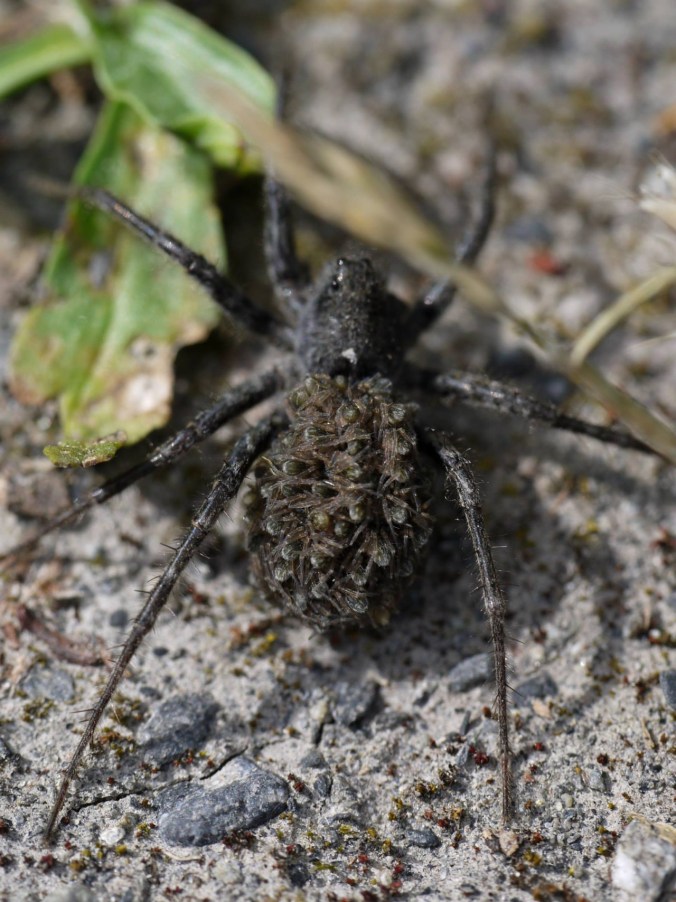
Pardosa sp. “Thin-legged Wolf Spider” Lycosidae, with young

Olympic National Park, WA
June 8, 2013
Robert Niese

Female wolf spiders spin an egg sac and attach it to their spinnerets, carrying around their

precious cargo until the spiderlings hatch and crawl onto her back. There, the babies will stay until they’re old enough to venture out into the world on their own.

Phyllophaga sp. “May Beetle” Scarabaeidae

Missoula, MT
May 18, 2014
Robert Niese

There are more than 400 species of Phyllophaga in the United States and Canada. Their identification requires an intimate investigation of… ahem… reproductive morphology, which is not something I’m dying to do today.

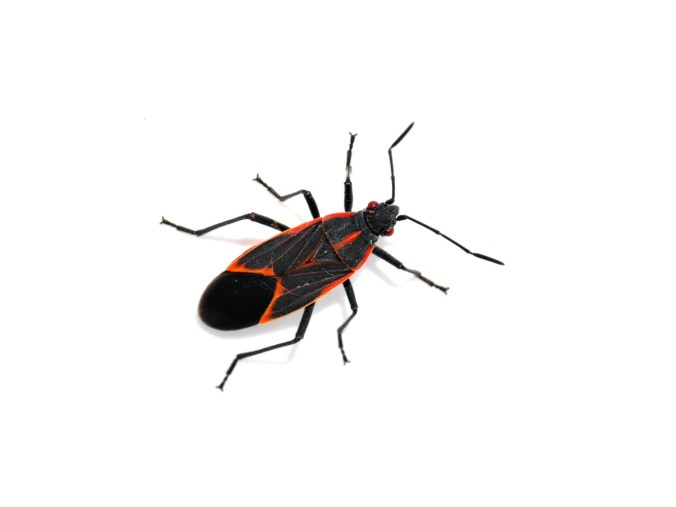
Boisea trivittata “Box Elder Bug” Rhopalidae

Missoula, MT
October 8, 2014
Robert Niese

Box Elder Bugs are Acer specialists, feeding exclusively on the samaras (seeds) of various maple species. Box Elder Bugs tend to create massive congregations in sunny spots to keep warm while feeding and are often considered a nuisance in such large numbers – especially when the days become colder and they seek refuge in my bedroom! But overall, they’re totally harmless.

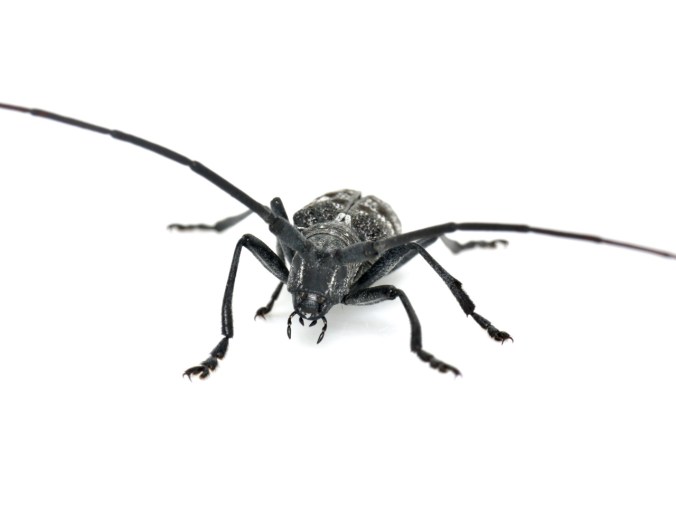
Monochamus clamator “Spotted Pine Sawyer” Cerambycidae (male)

Bonner, MT
July 20, 2014
Robert Niese

Monochamus males have some of the longest “horns” of any Cerambycids here in the northwest. These antennae are used to “smell” for females and are often more than twice their body length.

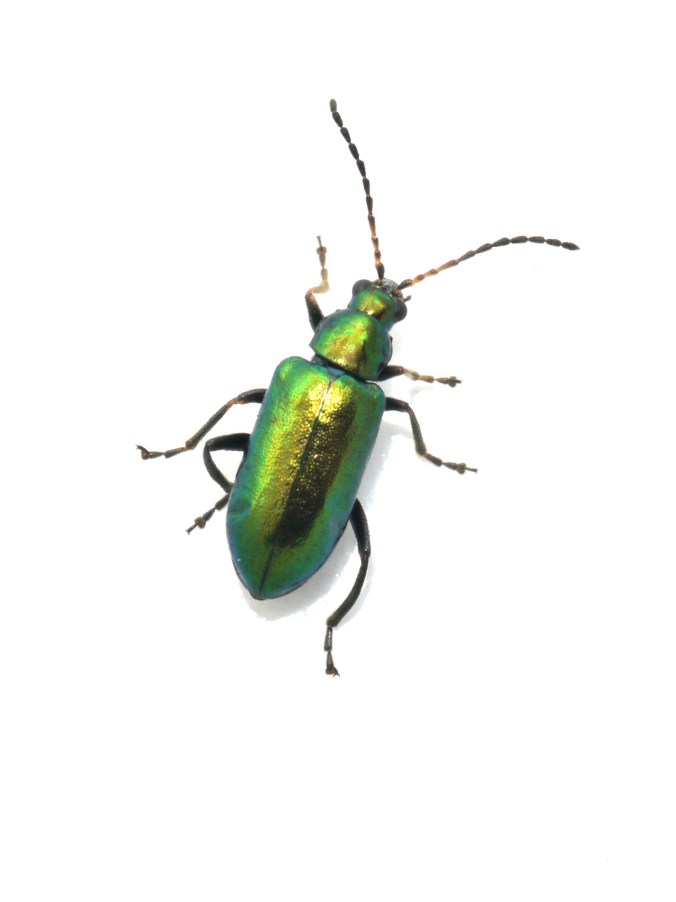
Scelolyperus schwarzii Chrysomelidae

Missoula, MT
June 15, 2014
Robert Niese

This tiny (5mm) leaf beetle is common in moist forests throughout the Pacific Northwest west of the Rockies. They seem to be particularly fond of hanging out in Hydrophyllum flowers.