
Sinodendron rugosum “Rugose Stag Beetle” Lucanidae
Tacoma, WA
July 2, 2013
Robert Niese
This adorable stag beetle is the only member of its genus found in North America. It is also commonly consumed by the endangered Spotted Owl.
Sinodendron rugosum “Rugose Stag Beetle” Lucanidae
Tacoma, WA
July 2, 2013
Robert Niese
This adorable stag beetle is the only member of its genus found in North America. It is also commonly consumed by the endangered Spotted Owl.
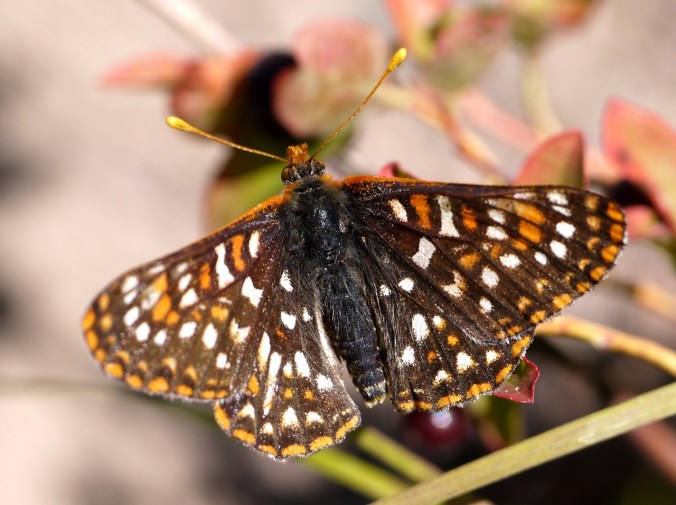
Euphydryas editha "Edith’s Checkerspot" Nymphalidae
Seeley Lake, MT
July 26, 2014
Robert Niese
The caterpillars of this species will hibernate overwinter and can do so for many years before metamorphosing into adults.
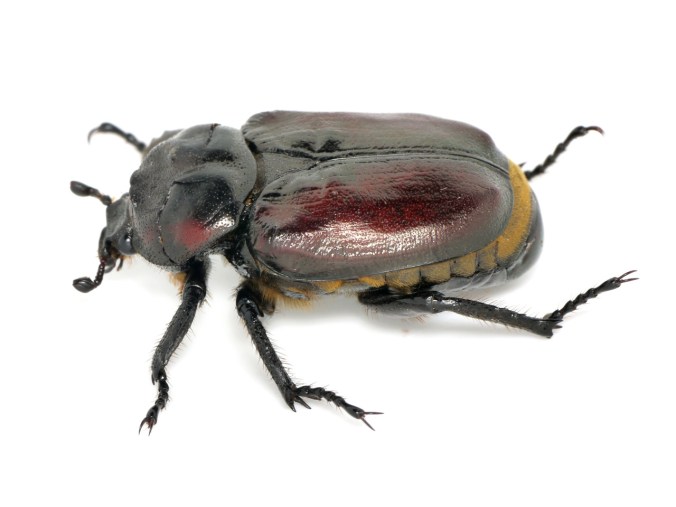
Osmoderma subplanata “Leather Beetle” Scarabaeidae
Missoula, MT
July 30, 2014
Robert Niese
These large (3 cm), circumboreal beetles get their name from the leathery odors they emit from their exoskeleton (Osmo- means smelly, derma means skin). Adults spend most of their lives feeding on the decaying centers of fallen logs.
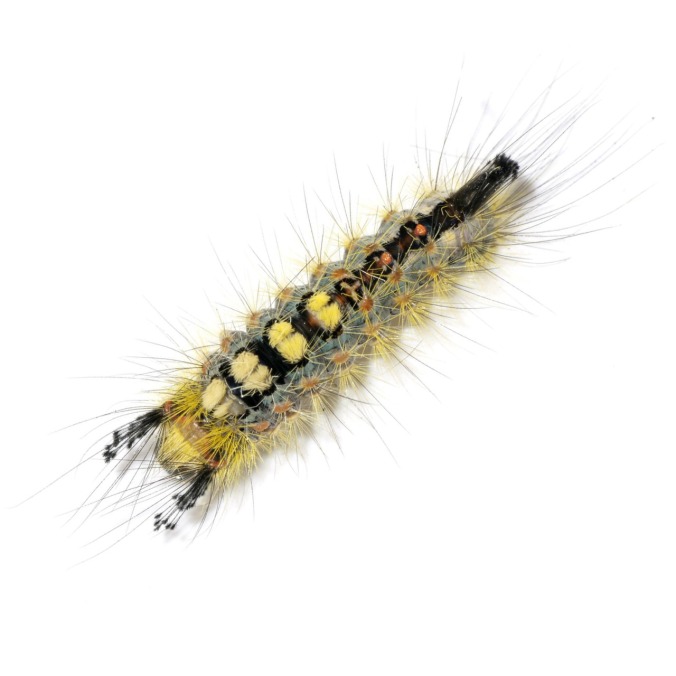
Orgyia antiqua “Rusty Tussock Moth” caterpillar Lymantriidae (now Lymantriinae)
Tacoma, WA
July 12, 2013
Robert Niese
This species is widely dispersed throughout both hardwood and coniferous forests in North America. Here in the Pacific Northwest, it tends to be restricted to moist, low elevation forests west of the Cascades. The caterpillars of this species are generalists and can eat both conifers and flowering plants.
Fun fact: female tussock moths are flightless and lay their eggs en masse on their cocoon. In order to disperse into the wide world beyond the cocoon they’re born on, freshly-hatched larvae will balloon away on the wind.
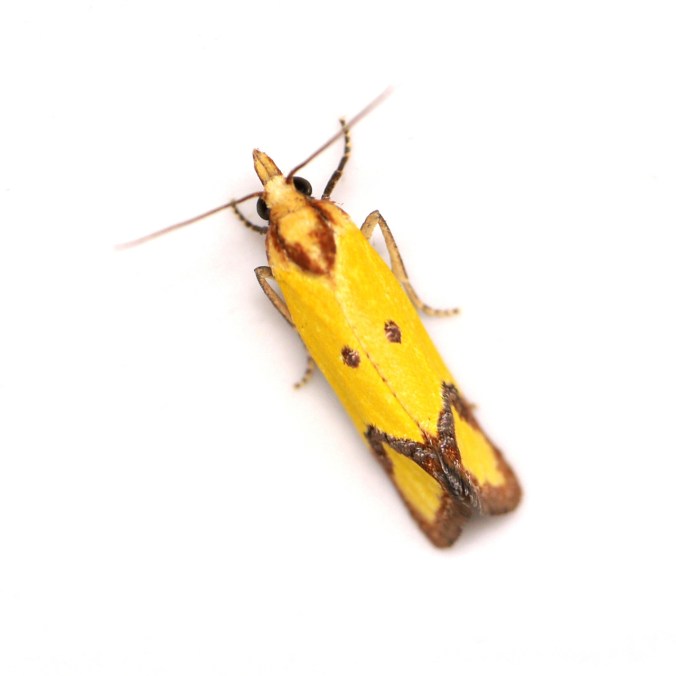
Agapeta zoegana “Sulphur Knapweed Moth” Tortricidae
August 14, 2014
Missoula, MT
Robert Niese
These diminutive moths (10mm in length) are obligate parasites of our invasive knapweed (Centaurea maculosa) and were introduced in 1984 as a potential biological control agent.
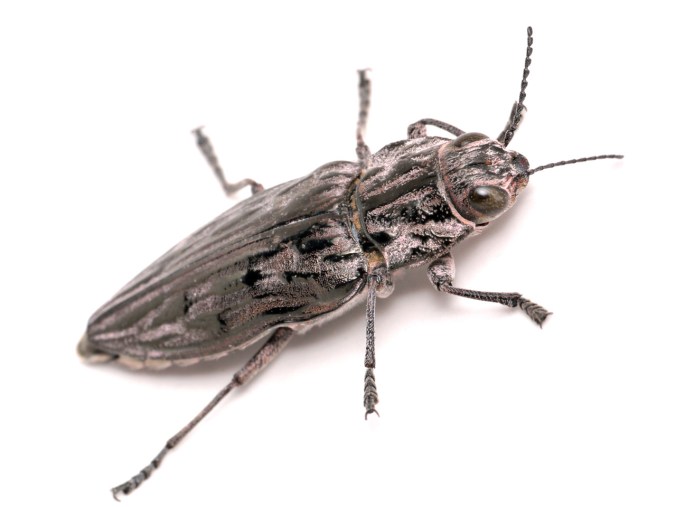
Chalcophora angulicollis “Western Sculpted Pine Borer” Buprestidae
Missoula, MT
July 10, 2014
Robert Niese
I found these massive woodborers in abundance (even on campus here at the U of MT) for a few weeks between late June and early July. They’re especially easy to identify in flight. Just listen for the miniature helicopter.
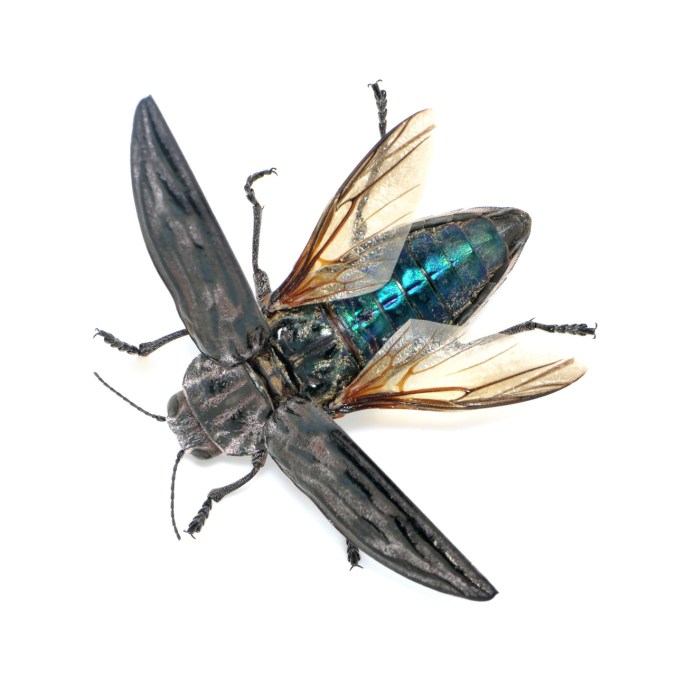
Chalcophora angulicollis “Western Sculpted Pine Borer” Buprestidae
Missoula, MT
July 10, 2014
Robert Niese
I found these massive woodborers in abundance (even on campus here at the U of MT) for a few weeks between late June and early July. They’re especially easy to identify in flight. Just listen for the miniature helicopter.
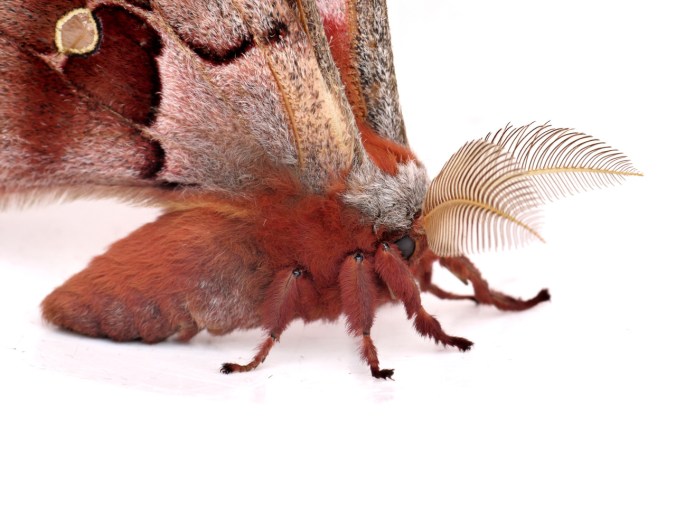
Antheraea polyphemus “Polyphemus Moth” Saturniidae (male)
Missoula, MT
June 11, 2014
Robert Niese
Surprisingly, I found this enormous moth (15 cm wingspan!) in a parking lot on my way into work on the University of Montana campus.
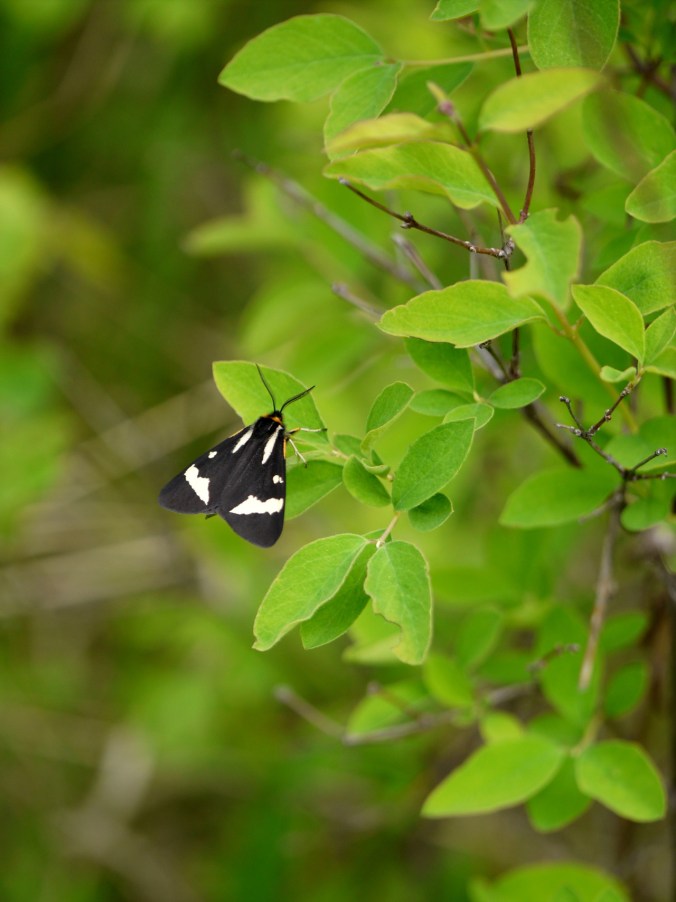
Parasemia plantaginis “Wood Tiger Moth” Arctiidae (now Erebidae)
Missoula, MT
June 15, 2014
Robert Niese
This common, variably-patterned tiger moth is a dayflier and often seen in the moist valleys around Missoula during our peak hiking season. It has a circumboreal distribution, but is the only member of its genus in our area.
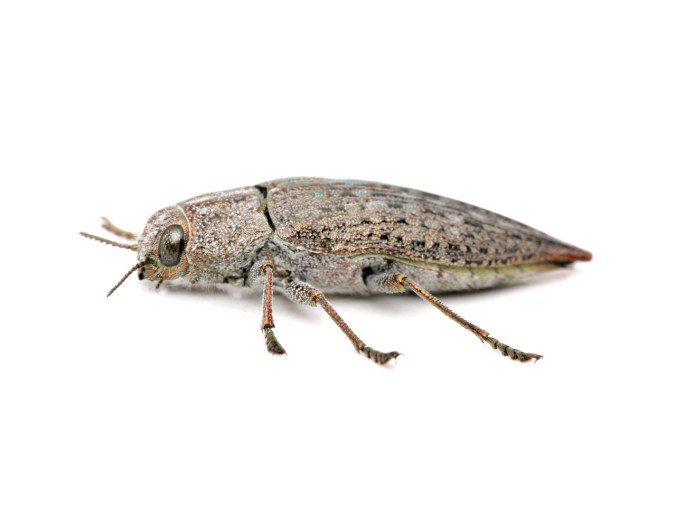
Dicerca tenebrica “Flatheaded Poplar Borer” Buprestidae
Missoula, MT
May 22, 2014
Robert Niese
 Northwest Naturalist