tumblr_o5w6l5nvd71tmun60o1_1280

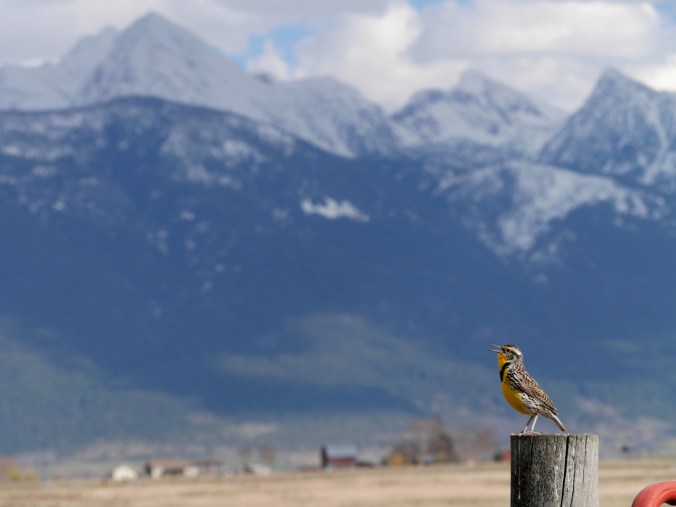
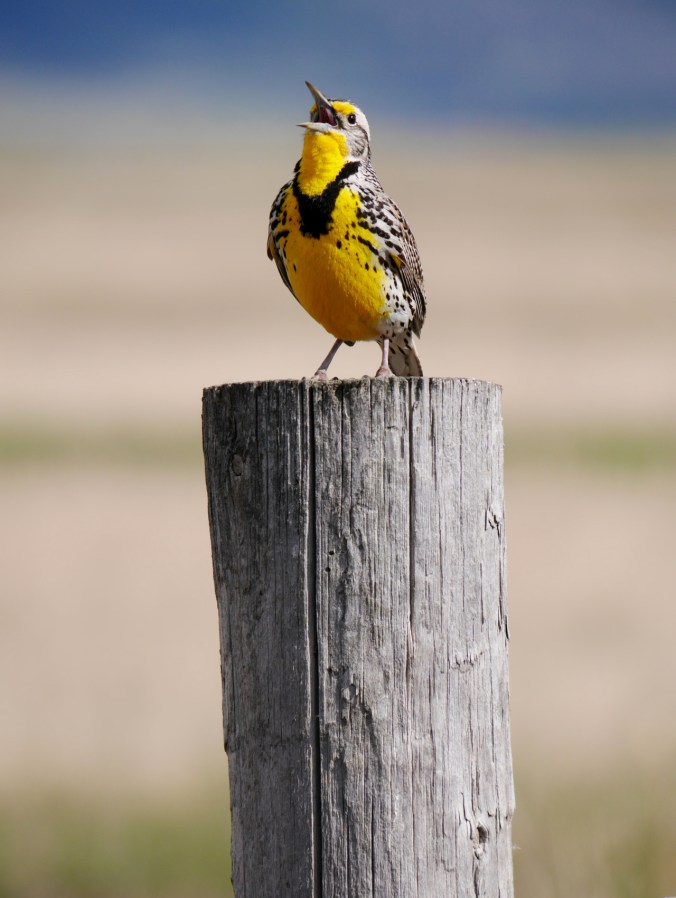
Western Meadowlark (Sturnella neglecta) Icteridae

April 2, 2016
Ninepipe National Wildlife Refuge
Robert Niese

I could photograph and listen to these birds singing all day! Unfortunately, not everyone in the car felt the same way and I only had a single joyous hour with this little guy. Learn more about the “neglected” Western Meadowlark here. Listen to its lovely song here.

tumblr_o3flgk3lkw1tmun60o1_1280

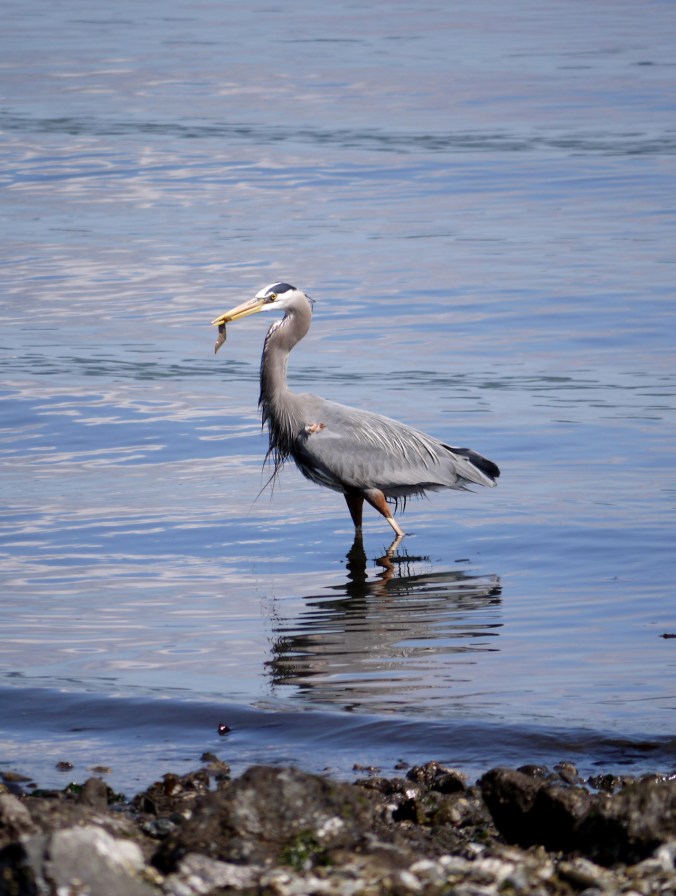
Great Blue Heron (Ardea herodias) Ardeidae

May 6, 2012
Tacoma, WA
Robert Niese

GBHs are master predators. I’ve watched these creatures consume everything from fish and insects to frogs, snakes, and rodents the size of small dogs! They also have a terrifying, rattling, squawk that never fails to make me jump out of my skin whenever I stumble upon an unsuspecting individual while I’m creeping around docks at night (looking for cool nighttime marine invertebrates, of course!). They truly are dinosaurs.

tumblr_o5w67gscki1tmun60o1_1280

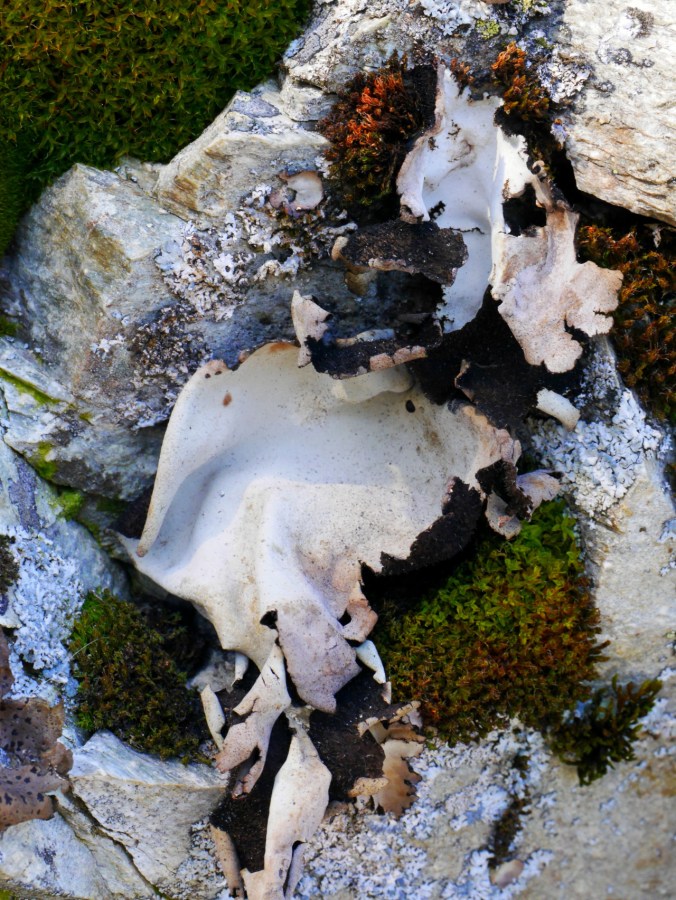
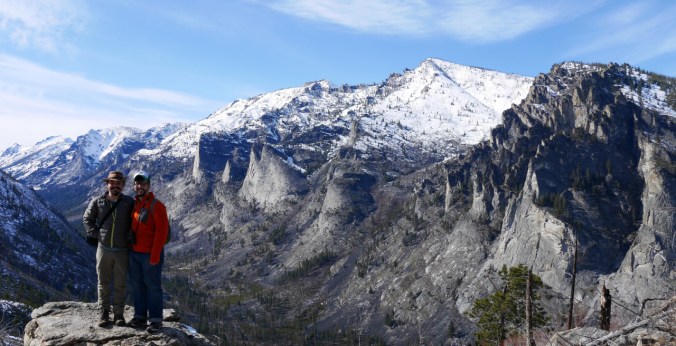
Umbilicaria americana “American Rock Tripe”

March 26, 2016
Blodgett Canyon, Lolo National Forest, MT
Robert Niese

This species of rock tripe is likely our most abundant umbilicate foliose, rock-like lichen in the PNW. Look for their single umbilicus which attaches them to their substrate (which is where they get their genus name!). This species rarely has apothecia but is instead identified by its abundant, sooty, black rhizines, or rootlets, which help it gather water from its normally dry habitat. Members of Umbilicaria are considered edible, though North American foragers generally only resort to them as famine food. Their name, “rock tripe,” comes from an uncanny resemblance to tripe (stomach lining) upon being boiled, as is common in many Asian cuisines.

tumblr_o5w8auf7ap1tmun60o1_1280

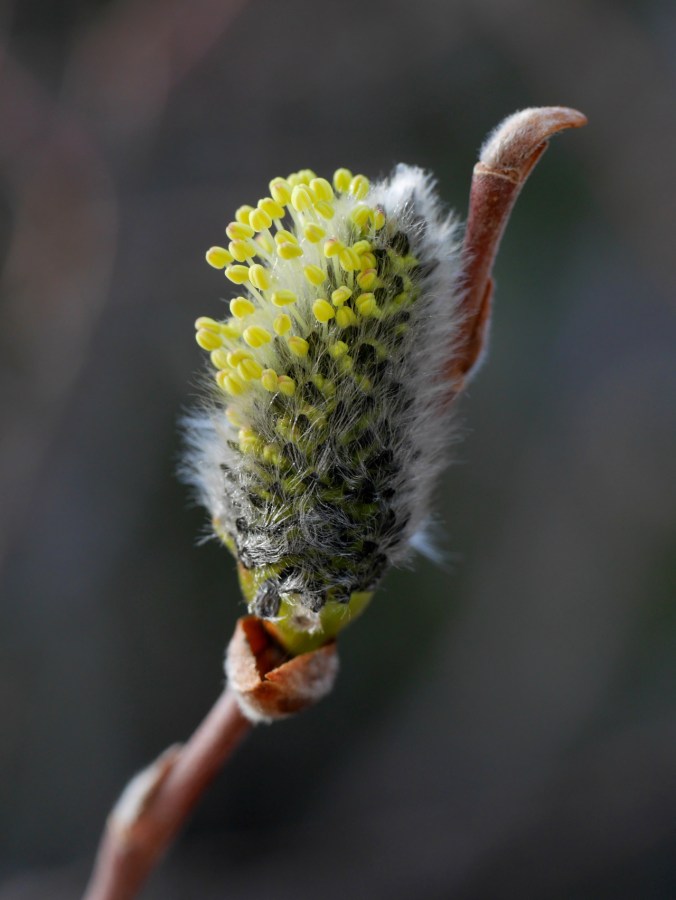
Salix “Willow” Salicaceae

March 26, 2016
Blodgett Canyon, Lolo National Forest, MT
Robert Niese

Willows bear their reproductive parts in separate male and female catkins each on separate plants. This particular plant is male and is only just beginning to bloom. Unfortunately, without female structures or leaves, this individual is impossible to identify beyond its genus. Identifying willows is generally straightforward, you just need all the correct structures in front of you and a good key to follow. Many consider willow identification to be a skill reserved for “Master Botanists” but it’s a fun exercise for anyone interested in botany and possessing a rudimentary background in dichotomous keying! Consider it a challenge!

tumblr_o5w7d5l19q1tmun60o1_1280

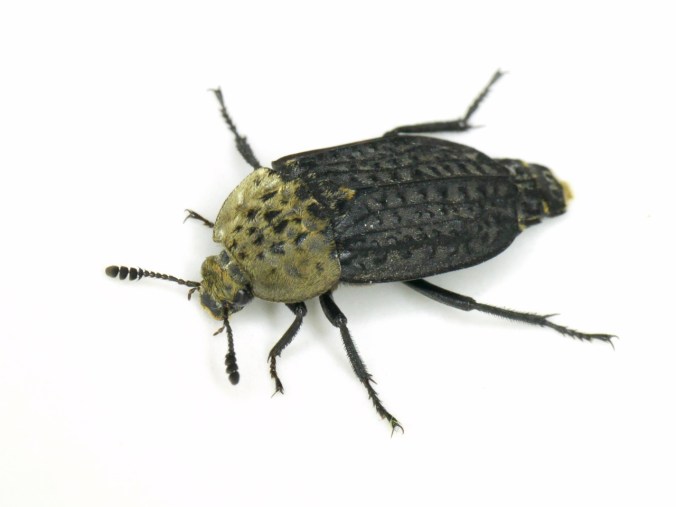
Thanatophilus lapponicus “Northern Carrion Beetle” Silphidae

April 2, 2016
National Bison Range, MT
Robert Niese

Photographed my first Silphid last week and, I must say, it was a horrendously smelly experience. These carrion beetles appear to prefer long-dead organisms, particularly reptiles and amphibians, and this little guy had apparently been hanging out in an extremely ripe carcass. I had to hold my breath every time I went in for a close-up! These beetles often overwinter in these carcasses, consuming the rotting flesh and maggots living there, until emerging at the first signs of spring. I might venture to guess that this is exactly what this individual did all winter, which might have contributed to its particular odor.

tumblr_o54wcrk3xy1tmun60o1_1280

Western Meadowlark (Sturnella neglecta) Icteridae

April 2, 2016
Ninepipe National Wildlife Refuge, MT
Robert Niese

The Western Meadowlark performs a lovely metallic flute-like song throughout the spring and summer. Its Eastern counterpart, on the other hand, has a much flatter, whistled song. Easter and Western Meadowlarks are so similar in appearance that until quite recently they were considered the same species. Since the Eastern species was discovered and named first, the Western, when it finally gained full species distinction, became known as the “neglected” meadowlark (Sturnella neglecta). This species is one of the 37 (including subspecies) named by John James Audubon throughout his career as one of  America’s first ornithologists.

tumblr_o5c1znzxwf1tmun60o1_1280

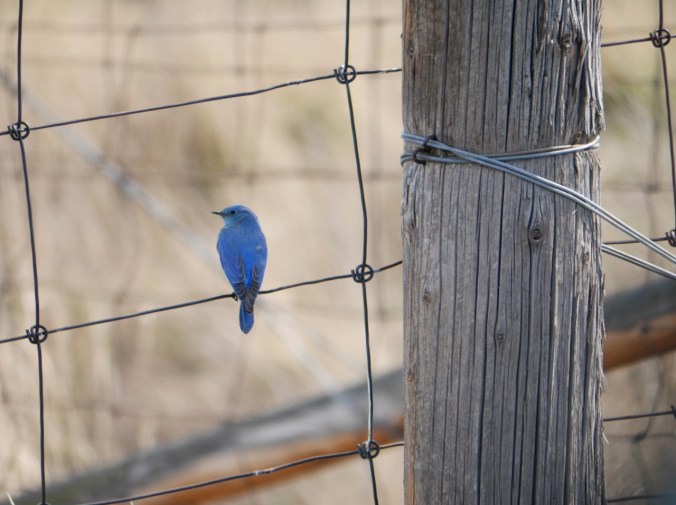
Mountain Bluebird (Sialia currucoides) Turdidae

National Bison Range, MT
April 2, 2016
Robert Niese

Most birds that posses such striking blue plumage typically get these gorgeous colors from tiny air pockets inside the feathers that scatter light in a way that makes them appear blue. Learn more.

tumblr_o1qvo31tdl1tmun60o1_1280

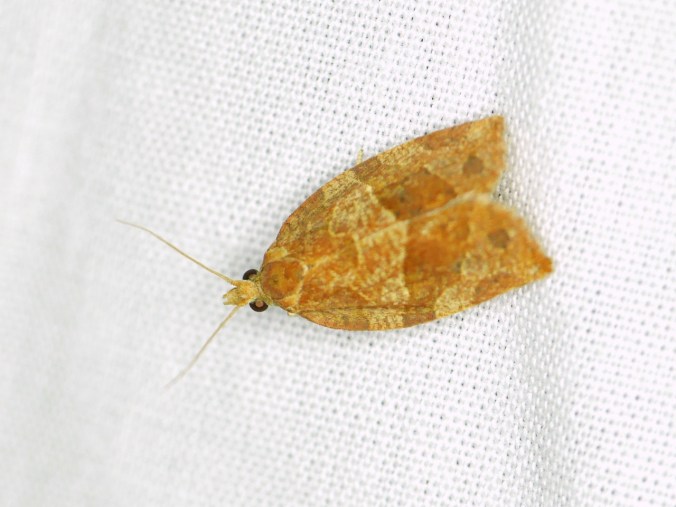
Pandemis pyrusana “Pandemis Leafroller Moth” Tortricidae

Clinton, MT
July 25, 2015
Robert Niese

Pandemis leafrollers are common in the west and are considered a pest on commercial apple, cherry, plum, and pear trees. As larvae, they roll up the sides of leaves into a tube along the mid-vein creating a shelter from predators. Larvae born early in the summer will pupate inside these shelters, but late summer larvae overwinter under bark before emerging to feed on fresh buds in the early spring. In addition to feeding on commercial fruit trees, this species is also known to chow down on alder (Alnus), willow (Salix), birch (Betula), dogwood (Cornus), aspen (Populus tremuloides), currants (Ribes), roses (Rosa), and honeysuckle (Lonicera), all of which are very common here in western Montana.
tumblr_o29nhvkfj21tmun60o1_1280

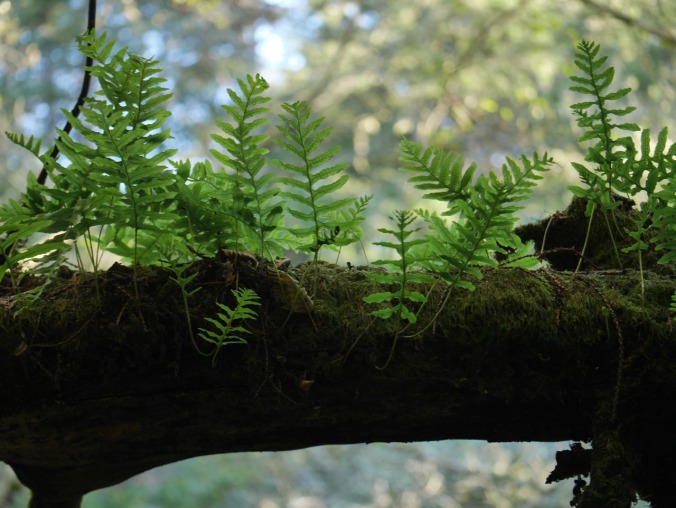
Polypodium calirhiza “California Licorice Fern” Polypodiaceae

Mt. Tamalpais State Park, Marin County, CA
December 29, 2015
Robert Niese

P. calirhiza is a hybrid of the California Polypody (P. californicum) and Licorice Fern (P. glycyrrhiza) that was formally recognized as a separate species in 1991. These hybrids persist as a unique species because of their doubled chromosome number (2n=148 instead of 74) which produces sterile back-crosses (2n=111). Speciation by this sort of genome duplication event is surprisingly common among plants. In coastal California, all three species often occur side-by-side, but P. californicum does not grow on other plants (as seen here) and P. glycyrrhiza has rhizomes with a pleasant, sweet licorice flavor (P. calirhiza has a disappointingly sweet, even acrid taste). This hybrid polypody occurs throughout California, north to Oregon, west of the Cascades and Sierras.