Agapeta zoegana “Sulphur Knapweed Moth” Tortricidae

August 14, 2014
Missoula, MT
Robert Niese

These diminutive moths (10mm in length) are obligate parasites of our invasive knapweed (Centaurea maculosa) and were introduced in 1984 as a potential biological control agent.

Happy National Moth Week!

Choristoneura rosaceana “Oblique-banded Tortrix Leafroller” Tortricidae

Point Defiance Park, Tacoma, WA
July 22, 2013
Robert Niese

The larva of these inconspicuous moths are significant pests on apples (and many other rosaceous plants) where they voraciously consume both fruits and leaves. Larval leafrollers, as their name suggests, roll-up the leaves of their host plants and hide inside the rolled-up tube for protection from parasites and predators. Learn more about this species at the Colorado State University’s interactive webpage on Tortricids of Agricultural Importance.

Happy National Moth Week!

Gnophaela vermiculata “Police-car Moth” Arctiidae (now Erebidae)

Great Burn, Lolo National Forest, MT
July 10, 2015
Robert Niese

The Police-car Moth had a really big year this summer. During our weekend backpacking trip, we must have seen 30 or 40 individuals! These day-flying moths are found in the Northwest, south to Nevada and New Mexico. They tend to be found at mid- to high-elevations in the middle of summer when meadow plants are in full bloom. The adults feed on nectar and copulate for their month-long lives before laying their eggs on any number of Boraginaceae plants (bluebells, houndstongue, Lithospermum, etc.). The larvae will then hatch and eat like crazy until they hibernate as caterpillars, waiting for snows to melt. These two individuals were just hanging out and happily permitted me to photograph their – ahem – intimate moment.

Happy National Moth Week!

Gnophaela vermiculata “Police-car Moth” Arctiidae (now Erebidae)

Great Burn, Lolo National Forest, MT
July 10, 2015
Robert Niese

The Police-car Moth had a really big year this summer. During our weekend backpacking trip, we must have seen 30 or 40 individuals! These day-flying moths are found in the Northwest, south to Nevada and New Mexico. They tend to be found at mid- to high-elevations in the middle of summer when meadow plants are in full bloom. The adults feed on nectar and copulate for their month-long lives before laying their eggs on any number of Boraginaceae plants (bluebells, houndstongue, Lithospermum, etc.). The larvae will then hatch and eat like crazy until they hibernate as caterpillars, waiting for snows to melt. This individual is a male, just about to take flight in search of an unmated female.

Happy National Moth Week!

Gnophaela vermiculata “Police-car Moth” Arctiidae (now Erebidae)

Great Burn, Lolo National Forest, MT
July 10, 2015
Robert Niese

The Police-car Moth had a really big year this summer. During our weekend backpacking trip, we must have seen 30 or 40 individuals! These day-flying moths are found in the Northwest, south to Nevada and New Mexico. They tend to be found at mid- to high-elevations in the middle of summer when meadow plants are in full bloom. The adults feed on nectar and copulate for their month-long lives before laying their eggs on any number of Boraginaceae plants (bluebells, houndstongue, Lithospermum, etc.). The larvae will then hatch and eat like crazy until they hibernate as caterpillars, waiting for snows to melt. This individual is a female and will probably be accosted by a hot-and-ready male at any moment.

Happy National Moth Week!

Rudbeckia occidentalis “Western Coneflower” Asteraceae

Great Burn, Lolo National Forest, MT
July 10, 2015
Robert Niese

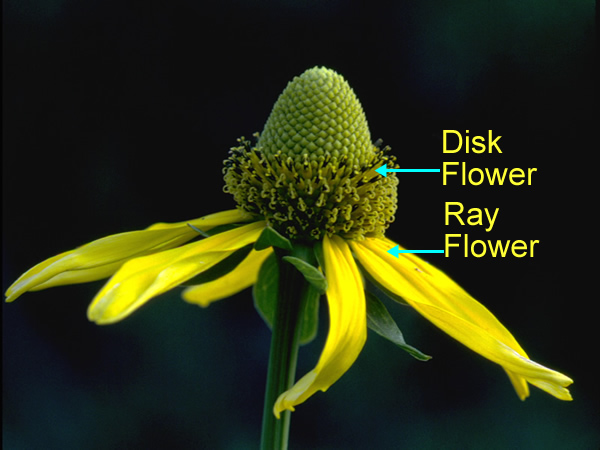
While most coneflowers that are grown in gardens tend to have showy, petal-like ray flowers, these PNW endemics have only disc flowers. The Western Coneflower is an uncommon resident of moist meadows and valleys in the Northwest and has a very scattered distribution throughout our region. When you do stumble across a population of them, however, they tend to be in great abundance. During our weekend of backpacking in the Bitterroots, these flowers were only just beginning to bloom, and I suspect that most will be done blooming within the week.

Wilson’s Warbler (Wilsonia pusilla) Parulidae, male

Yaquina Head Outstanding Natural Area (BLM), OR
June 12, 2015
Robert Niese

Wilson’s Warbler was first identified by the father of American Ornithology, Alexander Wilson, in 1811. In his honor, the species was placed in a new genus, Wilsonia, in 1838 along with the Canada Warbler (W. canadensis) and the Hooded Warbler (W. citrina). But recent genetic evidence suggests that the genus Wilsonia should be split and merged with Setophaga and Cardellina. Although, considering that the methods used to determine these new relations are six years old, another revision of the Parulid family tree would not be surprising. Wilson’s Warblers are a common resident of moist forests throughout the PNW and perhaps best identified, like all warblers, by their song.

Paonias excaecata “Blinded Sphinx” Sphingidae

Lewis and Clark Trail State Park, WA
June 9, 2015
Robert Niese

These relatively large sphinx moths are quite common throughout the PNW. Their unusual, scalloped forewings are definitely beautiful, but their most striking feature is certainly their hindwings which possess startlingly prominent eyespots. Sorry I couldn’t get a photo of them for you though. Check out this unhappy individual here instead. Look for them around light sources near riparian, mixed-hardwood forests this summer!

Be sure to participate in National Moth Week July 18-26! To find events near you, check out their webpage! This year, we’re focusing on the Sphingids like this guy here!

Sebastes pinniger “Canary Rockfish” Sebastidae

Oregon Coast Aquarium, Newport, OR
June 12, 2015
Robert Niese

Canary Rockfish are among three species of PNW rockfish that are listed as threatened or endangered under the Endangered Species Act. All rockfish species are long-lived and overfished, however, and many populations are in massive decline. Fortunately, since 2007, regulations in British Columbia and Washington have banned the the fishing of all rockfish species living in most of the Puget Sound and Georgia Basin.

Cornus canadensis “Canadian Bunchberry” Cornaceae

Weir Hot Springs, Clearwater National Forest, ID
June 8, 2015
Robert Niese

Bunchberry is another member of the genus Cornus, but unlike its shrubby cousins, C. sericea and C. nuttallii, this species rarely grows more than a few inches from the ground. And unlike C. sericea, bunchberry flowers are minute, inconspicuous, and subtended by large, white bracts which are often mistaken for petals. It shares this type of inflorescence with the Pacific Dogwood, C. nuttallii. The fruits of the bunchberry, while not particularly tasty, are high in pectin and are often added to jams and puddings.