Blechnum spicant “Deer Fern” Polypodiaceae (Blechnacaeae)

Olympic National Park, WA
June 1, 2013
Robert Niese

This fern is mostly found west of the Cascades, but occasionally in Northern Idaho. I was surprised to learn that it has never been recorded in Montana. Blechnum ferns are known for conspicuously dimorphic fertile and infertile fronds. Tall fronds with skinny leaflets are typically spore-bearing like this one here.
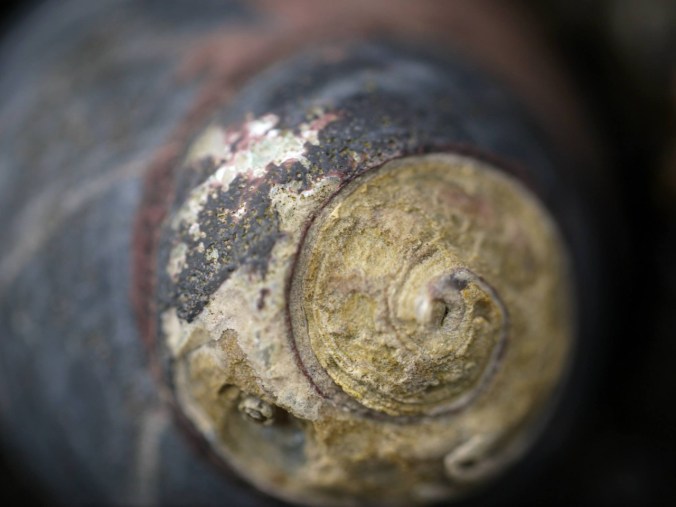
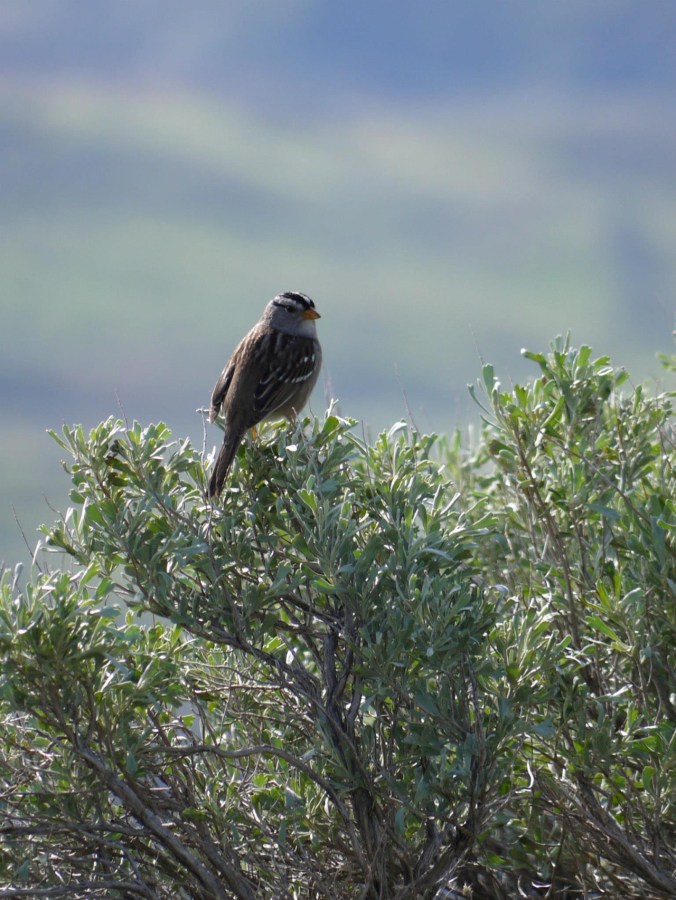
White-crowned Sparrow (Zonotrichia leucophrys) Emberizidae

Burch Mountain, Wenatchee National Forest, WA
April 27, 2013
Robert Niese

White-crowned Sparrows are an abundant migrant (sometimes resident) of the PNW with a very easy-to-identify song. If you’re just starting out learning to identify bird song, try your luck with the local sparrows first.

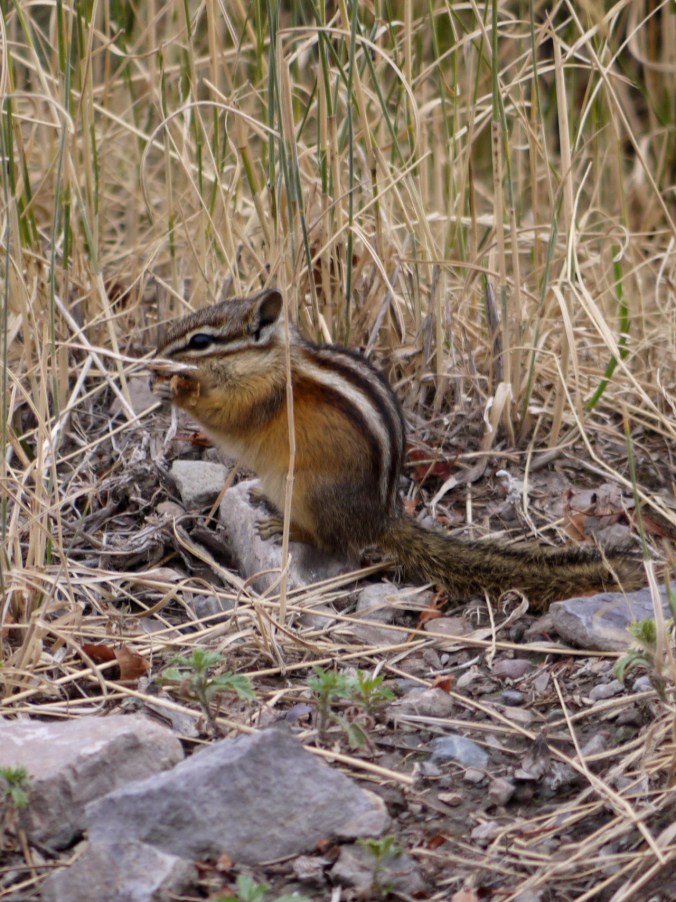
Tamias amoenus “Yellow-pine Chipmunk” Rodentia

National Bison Range, MT
September 21, 2013
Robert Niese

Chipmunks can be hard to identify from afar, so knowing what habitat types certain species prefer can really narrow-down your options. Here in western Montana, three species regularly co-occur (Red-tailed, Yellow-pine, and Least). Red-tailed Chipmunks tend to prefer moist coniferous forests like those in Glacier National Park, while Yellow-pine Chipmunks tend to prefer drier, Ponderosa/Doug-Fir forest edges. Least Chipmunks are found everywhere in between including alpine, sagebrush, coniferous forests, and meadows.

Graphocephala fennahiRhododendron Leafhopper” Cicadellidae

Tacoma, WA
August 2013
Robert Niese

Apparently, these sharpshooters are native to the south eastern Appalachians, but have since traveled the world in ornamental Rhododendrons. 

American Bittern (Botaurus lentiginosus) Ardeidae

Nisqually National Wildlife Refuge, WA
October 27, 2012
Robert Niese

The American Bittern is famous for its unbelievable camouflage skills, but is slightly less well-known for its equally astounding vocal abilities. If you’ve never heard a Bittern singing, you should check it out here. It’s absolutely nothing like anything that you’ve ever heard before, I guarantee it. 

Antheraea polyphemus “Polyphemus Moth” Saturniidae (male)

Missoula, MT
June 11, 2014
Robert Niese

Surprisingly, I found this enormous moth (15 cm wingspan!) in a parking lot on my way into work on the University of Montana campus.

Caloplaca (biatorina?) "Orange Rock Firedot Lichen" 

National Bison Range, MT
June 8, 2014
Robert Niese

Caloplaca lichens are a relatively abundant, easily recognizable group of lichens here in the PNW. Most orange, crustose lichens growing on rocks in our area belong to this genus. Unfortunately, the genus is impossibly large and making species identifications may require a close analysis of spore morphology.

Sphecodes (arvensiformis) “Cuckoo Sweat Bee” Halictidae
on Lomatium “Biscuit Root” Apiaceae

Missoula, MT
May 13, 2014
Robert Niese

Sphecodes bees are cleptoparasitic, cuckoo-like bees that lay their eggs in the nests of other sweat bees.